


NBC’s New Broadcast Notice Is a Dangerous Gag Order Disguised as Professionalism, Prohibiting Anchors From Expressing Personal Opinions On Air
 West Africa WeeklyApril 20, 20264 Mins read539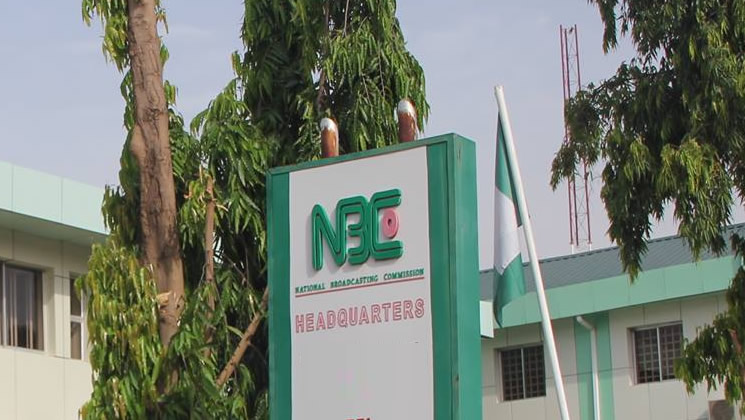
On April 17, 2026, Nigeria’s National Broadcasting Commission (NBC) issued a formal notice to broadcast stations nationwide, warning of stricter enforcement of the 6th Edition of the Nigeria Broadcasting Code. The commission cited what it described as a “sustained rise in ethical and professional breaches, particularly in news, current affairs, and political programming”.
The notice specifically cautioned that any anchor or presenter found to have “expressed personal opinion as fact, bullied or intimidated a guest, or denied fair hearing to opposing views” would be deemed to have committed a Class B breach and face sanctions.
Within hours, the directive triggered a wave of condemnation from civil society organisations, opposition figures, and international rights groups, who accused the government of attempting to gag the media ahead of the 2027 general elections.
The NBC’s Stated Rationale: Professional Standards or Pretext?
The NBC defended its notice as a necessary regulatory measure to uphold journalistic standards. The commission expressed concern over what it termed a “crisis” in the professionalism of programme anchors and presenters, noting a departure from established journalistic standards.
The commission also criticised the misuse of broadcast platforms by political actors, warning that politicians across party lines were increasingly exploiting radio and television programmes to disseminate inflammatory or divisive content. The NBC stressed that it would enforce “strict and uncompromised compliance” with provisions relating to fairness, balance, accuracy, hate speech, incitement and respect for constitutional bodies.
However, Nigerians online argue that while professional standards are important, the timing and broad language of the directive suggest ulterior motives.
SERAP: “A Dangerous Attempt to Impose Prior Censorship”
The Socio-Economic Rights and Accountability Project (SERAP) was among the first to respond, issuing a 48-hour ultimatum to President Bola Tinubu to withdraw what it called an “unlawful” directive. In a letter dated April 18, 2026, signed by Deputy Director Kolawole Oluwadare, SERAP stated: “The NBC’s notice represents a dangerous attempt to impose prior censorship on the media and suppress legitimate journalistic expression”.
SERAP specifically targeted Section 1.10.3 of the Nigeria Broadcasting Code, which prohibits presenters from expressing opinions. The organisation argued that “this amounts to prior restraint that impermissibly excludes commentary, analysis, and value judgments—the core of journalism and democratic discourse”.
The group further warned that if the government did not respond within 48 hours, it would “take all appropriate legal actions to compel compliance”.
Atiku Abubakar: “An Attempt to Stifle Free Speech”
Former Vice-President Atiku Abubakar also weighed in, describing the NBC advisory as “yet another troubling attempt to muzzle the media and shrink the space for free expression in Nigeria”.
In a statement on his social media platforms, Atiku expressed alarm that the NBC “resorts to heavy-handed directives” whenever elections approach, warning that such measures risk silencing dissent rather than promoting ethical journalism. He added: “Ethical standards are not seasonal tools to be weaponised during campaigns. The timing and tone of these regulations expose a deeper agenda. It signals a government more interested in controlling narratives than permitting a free, fair, and transparent electoral process”.
Amnesty International: “Outrageous and Desperate Attempt to Gag Journalists”
Amnesty International issued a strongly worded condemnation, describing the directive as an “outrageous and desperate attempt” to gag journalists and restrict press freedom. The group said the notice unlawfully targets political and current affairs broadcasts, imposing “unduly restrictive and invasive controls” on media operations.
Isa Sanusi, Executive Director of Amnesty International Nigeria, stated: “The commission has no power or right to tell journalists how to do their job”. He urged authorities to stop what he described as “the misuse of the NBC to silence independent journalism”.
Nigeria Union of Journalists: “A Veiled Attempt to Gag the Media”
The Nigeria Union of Journalists (NUJ) also criticised the directive, describing it as “a veiled attempt to gag the media and institutionalise censorship”. The union said it viewed the NBC’s notice with “grave concern and utter disappointment”, adding that the directive threatens free speech and editorial independence in Nigeria’s media space.
The NUJ warned that classifying such actions as Class B breaches with penalties including fines or suspension could intimidate journalists and stifle critical reporting. “This regime of fear encourages self-censorship, where journalists are too afraid to ask tough questions for fear of being labeled ‘unprofessional’ or ‘hostile’ by a regulatory body that has increasingly become a political tool,” the statement added.
The union reminded the commission that Section 39 of the 1999 Constitution guarantees freedom of expression, including the freedom to hold opinions and to receive and impart ideas and information without interference. “The NBC Code cannot and must not be used to override the supreme law of the land”.
Civil Society Warnings: A Threat to Democratic Space
The Civil Society Legislative Advocacy Centre (CISLAC) warned that the NBC directive poses a threat to press freedom and civic space as Nigeria approaches the 2027 general elections. Executive Director Auwal Musa Rafsanjani expressed concern over the broad and sweeping nature of the directive, noting that while professional standards and the prevention of hate speech are important, “the enforcement approach raises questions about intent and possible misuse”.
Similarly, the Centre for Information Technology and Development (CITAD) described the directive as a threat to democratic principles and freedom of expression, noting that it was issued unilaterally without adequate consultation with key stakeholders.
A Pattern of Pre-Election Media Intimidation?
Observers have noted a pattern of increased regulatory pressure on media organisations in the run-up to elections in Nigeria. Atiku explicitly referenced this in his response, accusing the NBC of resorting to “heavy-handed directives” whenever elections approach.
This latest directive comes as the ruling All Progressives Congress (APC) is expected to field President Bola Tinubu for re-election in 2027, while opposition figures have joined forces in the African Democratic Congress (ADC). Critics argue that the timing of the NBC notice—issued nearly a year before the elections—suggests an early attempt to shape the media landscape in favour of the incumbent administration.
Constitutional and Legal Questions
Legal experts and human rights advocates have raised serious constitutional questions about the NBC’s directive. SERAP argued that “Section 39 of the Nigerian Constitution, article 9 of the African Charter on Human and Peoples’ Rights and article 19 of the International Covenant on Civil and Political Rights guarantee the right to ‘receive and impart ideas and information without interference’”.
The organisation maintained that “the right to impart ideas necessarily includes opinions, commentary, and analysis. A blanket prohibition on the expression of ‘personal opinions by anchors and presenters’ amounts to an impermissible restriction to this right”.
Looking Ahead: Legal Showdown or Retreat?
With SERAP’s 48-hour ultimatum set to expire, all eyes are on the presidency and the NBC. The commission has yet to issue an official response to the widespread criticism. If the government fails to withdraw the directive, SERAP has vowed to pursue legal action.
The coming days will determine whether the NBC stands its ground or retreats in the face of mounting opposition from civil society, opposition parties, international rights groups, and journalists’ unions. What remains clear is that the directive has already ignited a major debate about the limits of media regulation and the future of press freedom in Nigeria.
About The Author



Related Articles
Uganda Suspends All Military Cooperation With Turkey Over Refusal to Extradite Government Critic
Uganda’s army has suspended all defence and military cooperation with Turkey with...
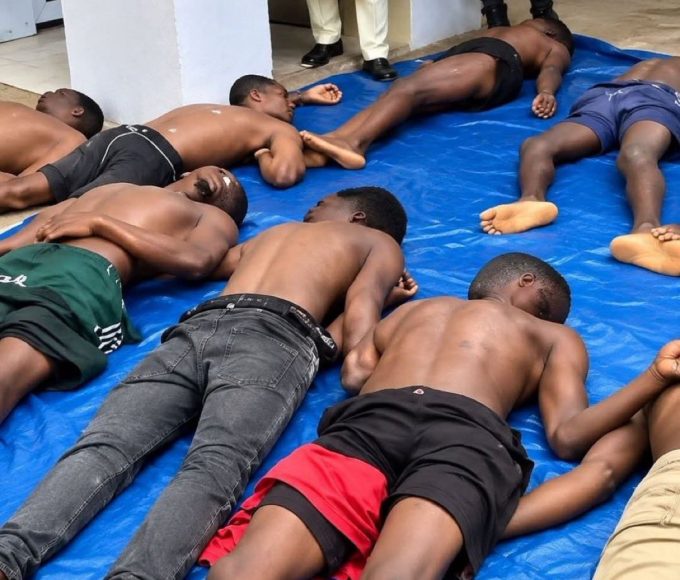
37 Miners Died in Minna Cell After Guards Sprayed Unknown Substance, Autopsies Underway
Thirty-seven young men, many of them teenagers, died inside a crowded cell...
TikTok Users in Northern Nigeria Turn to VPNs as Access Disruption Enters Fourth Day
TikTok users across several northern Nigerian states, including Kaduna, Kano and Sokoto,...

El-Rufai Demands Answers From NSA Over Alleged Importation of Deadly Poison From Poland
Former Kaduna State Governor, Nasir El-Rufai, has written to the National Security...
Leave a comment