


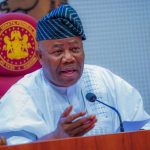





Nigeria currently has the highest inflation rate in West Africa, according to February 2026 data from Trading Economics. At 15.06%, the country leads the region, followed by Sierra Leone at 8.05% and Gambia at 6.28%.
The figures, shared by the data platform Statisense, show Nigeria as a clear outlier. Its inflation rate is nearly double that of Sierra Leone and significantly higher than other major economies in the region, including Ghana (3.2%) and Senegal (0.8%).
Regional Comparison
Below is the full ranking for West Africa as of February 2026:
1. Nigeria – 15.06%
2. Sierra Leone – 8.05%
3. Gambia – 6.28%
4. Guinea – 4.4%
5. Ghana – 3.2%
6. Liberia – 3.1%
7. Burkina Faso – 0.8%
8. Senegal – 0.8%
9. Cape Verde – 0.6%
10. Mali – 0.6%
🇳🇬 NIGERIA HAS THE HIGHEST INFLATION RATE IN WEST AFRICA — 2026.
1 🇳🇬Nigeria — 15.06%
2 🇸🇱Sierra Leone — 8.05%
3 🇬🇲Gambia — 6.28%
4 🇬🇳Guinea — 4.4%
5 🇬🇭Ghana — 3.2%
6 🇱🇷Liberia — 3.1%
7 🇧🇫Burkina Faso — 0.8%
8 🇸🇳Senegal — 0.8%
9 🇨🇻Cape Verde — 0.6%
10 🇲🇱Mali — 0.6%Nigeria…
— StatiSense (@StatiSense) April 14, 2026
Nigeria’s Inflation Trend
Nigeria’s inflation has declined from its peak of nearly 33% in late 2024. However, recent data from the National Bureau of Statistics shows a slight uptick to 15.38% in March 2026, breaking a year-long trend of cooling prices. Food inflation, a critical concern for households, stood at 14.31% in March.
Policy Context
President Bola Tinubu’s administration has defended its economic reforms, including the removal of petrol subsidies and unification of exchange rates, as necessary long-term measures. Critics argue that these policies have exacerbated cost-of-living pressures, especially as the naira has depreciated sharply against major currencies.
The Central Bank of Nigeria has raised its benchmark interest rate to 22.75% to combat inflation, though the impact on consumer prices has been gradual.
READ MORE: Ghana’s Cedi Records Strongest First Quarter Performance in Years
Contrast with Regional Peers
Most West African nations have kept inflation within single digits. Ghana, which faced an economic crisis in 2022–2023, has reduced inflation to 3.2% through an IMF-supported programme. Members of the West African Economic and Monetary Union, such as Senegal and Burkina Faso, have benefited from the CFA franc’s fixed exchange rate and disciplined monetary policy.
Outlook
Economists say Nigeria’s path to lower inflation depends on addressing structural issues, including domestic refining capacity and agricultural productivity. The March uptick suggests that price stability remains fragile.
About The Author



Leave a comment