






Côte d’Ivoire Feeds the World’s Chocolate Industry, But When Prices Shift, Cocoa Farmers Are Left With Rotting Harvests and No Income
 West Africa WeeklyFebruary 18, 20262 Mins read1.4k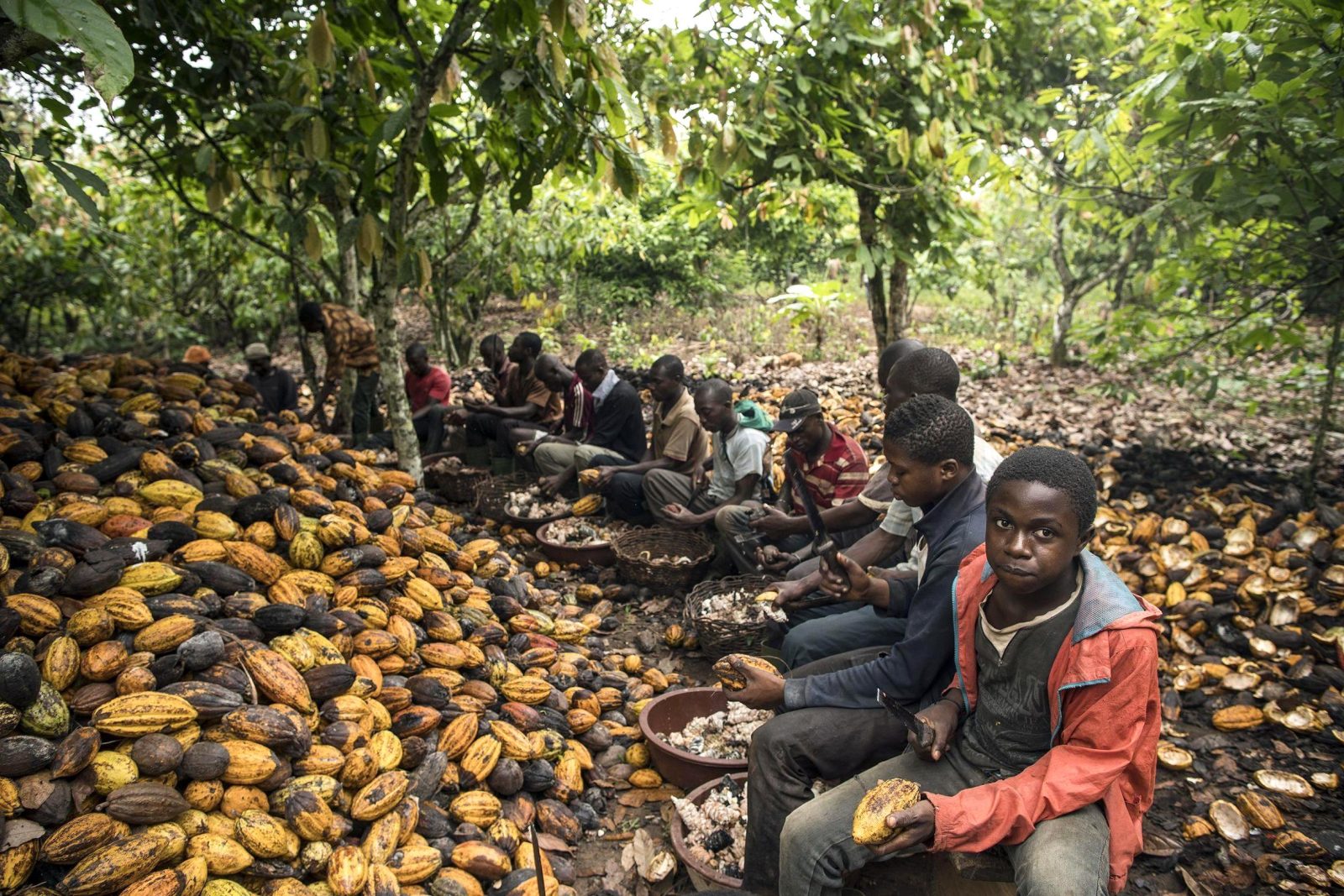
Côte d’Ivoire produces nearly half of the world’s cocoa, a crop that powers a global chocolate industry worth billions of dollars. From the forests of the country’s western and central regions, millions of smallholder farmers cultivate beans that eventually end up in chocolate bars sold in Europe, North America, and Asia. Yet despite the global demand for cocoa, many of the farmers who grow it remain trapped in a fragile system where a change in international prices can quickly turn abundance into hardship.
In recent months, falling global cocoa prices and shifting purchasing strategies among international buyers have left large volumes of beans sitting unsold in warehouses. Thousands of tons of cocoa have reportedly remained stuck at origin, with some farmers waiting weeks or months for payment. In a highly perishable crop, delays in sales can quickly translate into losses, forcing farmers to watch their harvests deteriorate.
Côte d’Ivoire’s cocoa economy is built around a regulated system in which prices are largely determined through state mechanisms tied to international futures markets. Farmers do not negotiate directly with global buyers. Instead, they sell to licensed middlemen, cooperatives, or local purchasing agents who are linked to a chain of exporters and commodity traders. This structure is designed to provide stability, but it also means farmers have little control when disruptions occur.
When global prices fall or buyers slow their purchases, the effects are felt immediately at the farm level. Farmers often have no storage facilities, no access to alternative markets, and no financial buffers. Many rely on cocoa as their primary source of income, so a delay in payment can make it difficult to pay for food, school fees, or healthcare.
The situation is part of a broader shift in the global cocoa market. After a period of extreme price spikes, the market has begun to stabilise, and demand has softened. Prices that once soared have now dropped significantly, changing the incentives for traders and processors. Some buyers have held back purchases in search of lower prices, contributing to stockpiles at origin.
At the same time, structural challenges within the cocoa value chain continue to limit farmers’ earning power. Multiple layers of intermediaries, limited access to financing, and dependence on government pricing systems all reduce the share of final chocolate revenue that reaches the producer. Analysts say inefficiencies in the supply chain and post-harvest losses can wipe out a significant portion of the crop’s value before it ever reaches international markets.
For farmers in cocoa-growing regions, the result is a familiar cycle. In good years, they produce large harvests but earn only modest returns because prices are low. In bad years, when disease or weather reduces output, they earn even less. And when global markets shift suddenly, as they have in recent months, farmers can find themselves with unsold beans and no income.
The situation has revived long-standing debates about the structure of the cocoa trade. Côte d’Ivoire and neighbouring Ghana have previously attempted to increase farmer incomes through price floors and premiums, but tensions with multinational chocolate companies have persisted. Disputes over living income differentials and pricing mechanisms have shown how difficult it is for producing countries to influence a global market dominated by a handful of major buyers.
For now, the immediate concern is the fate of the unsold cocoa. Warehouses full of beans represent more than just a market imbalance. They symbolise the disconnect between global demand for chocolate and the fragile livelihoods of those who grow its key ingredient.
Across cocoa villages, farmers are left waiting for buyers, watching the crop they worked months to produce sit idle. In a system where they cannot set prices, choose their customers, or access international markets directly, their fortunes rise and fall with decisions made far from their farms.
READ MORE: Niger’s Tiani Visits Algeria in Bid to Strengthen Ties and Revive Key Projects
About The Author


Related Articles

Ghana Reaffirms Withdrawal of Recognition of Polisario, Backs Morocco’s Autonomy Plan
Ghana has reaffirmed its decision to withdraw recognition of the Polisario Front’s...
China Tightens Travel Restrictions for Citizens Over Tech and Security Concerns
China has tightened travel restrictions for its citizens under new exit-and-entry rules...

Traore Launches $30 Million Textile Complex to Cut Burkina Faso’s Reliance on Clothing Imports
Burkina Faso’s military leader, Captain Ibrahim Traore, has inaugurated a $30 million...

Guinea and Ivory Coast Presidents Agree to Strengthen Security, Trade and Political Ties
Guinea’s President Mamady Doumbouya arrived in Abidjan on Friday for talks with...
Leave a comment