




As Death Toll Rises in Kwara and Katsina, US Troops Arrive and Trump Applauds Remi Tinubu
 West Africa WeeklyFebruary 7, 20262 Mins read582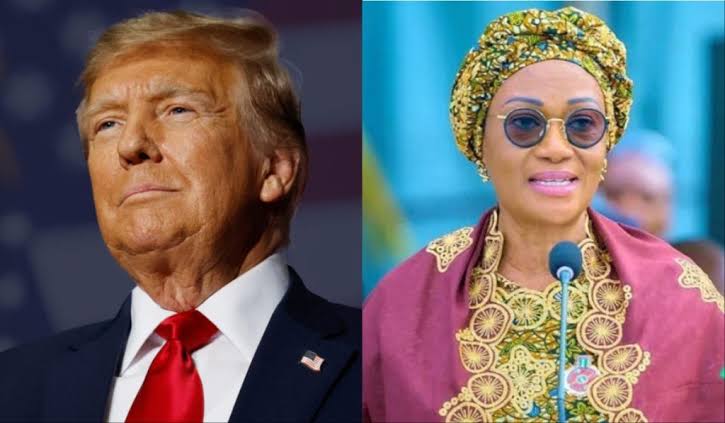
More than 200 Nigerians have been killed in a wave of attacks across Kwara and Katsina states, yet the national conversation is being pulled in a different direction. As families bury their dead and communities struggle to recover, the United States has begun sending military personnel into the country, while in Washington, praise is being directed at the wife of the president.
In Kwara State, gunmen stormed rural communities, killing scores of residents and burning homes. Local officials and humanitarian workers described entire families wiped out and villages left in ruins. The attack was one of the deadliest recorded in the state in recent years and pushed the death toll sharply upward.
On the same day, another assault unfolded in Katsina State, where armed groups moved through communities, killing more than two dozen people. Residents said the attackers operated with little resistance, a pattern that has become familiar across parts of northern Nigeria. Combined, the killings in both states have left well over 200 people dead in a single wave of violence.
As the country mourned, reports emerged that the United States had deployed some military personnel to Nigeria as part of security cooperation efforts. American officials described the move as assistance, but the details of the deployment and its long-term implications remain unclear. For many Nigerians, the presence of foreign troops in the middle of a worsening domestic crisis raises uncomfortable questions about sovereignty and the interests that may be attached to the aid.
At the same time, at the annual National Prayer Breakfast in Washington, former United States President Donald Trump publicly praised Nigeria’s First Lady, Remi Tinubu, describing her as a respected woman. The moment was framed as a diplomatic courtesy, but back home it landed differently. For citizens watching the death toll rise, the contrast was hard to ignore. Villages were being attacked, hundreds were dead, and yet the most visible international spotlight on Nigeria was a moment of praise for the president’s family.
Many Nigerians say the episode reflects a deeper problem. While insecurity spreads across the country, the federal government appears more focused on political optics and international relations than on delivering concrete security results at home. The response to mass killings often feels delayed or muted, and communities in affected regions say they are left to fend for themselves.
The arrival of US personnel has only intensified the debate. Some see it as a necessary step to contain a security crisis that has overwhelmed local forces. Others worry that such assistance rarely comes without expectations or strategic interests, especially in a country as important as Nigeria.
With the 2027 elections approaching, insecurity is becoming a defining issue in the political landscape. For many Nigerians, the events in Kwara and Katsina have sharpened a painful question. If hundreds can be killed in a matter of days without a decisive response, what exactly is the government prioritising?
As condolences and diplomatic pleasantries continue, families in the affected communities are left with empty homes, fresh graves, and the feeling that their tragedy is being overshadowed by politics far from where the bullets were fired.
About The Author


Related Articles
Gambia’s FGM Ban Under Threat as Imam Abdoulie Fatty and MP Almameh Gibba Push to Make Cutting Girls Legal Again
Two men are leading the charge to overturn The Gambia’s ban on...
Peter Obi Rejects $123m Anambra Debt Claim, Says He Left Over $150m in Funds
Peter Obi has rejected claims that he left Anambra State with $123...
Senegal Signs $3.5bn Refinery Deal With Turkey’s Yamata to Process Local Crude, Target West African Fuel Market
Senegal’s state refiner, the Société Africaine de Raffinage (SAR), has signed a...

Tinubu Awards $7bn Ogun Deep Seaport Deal to Chagoury-Linked DP World as Nigerians Question His Priorities
President Bola Tinubu’s administration has awarded two major Ogun State deep seaport...
Leave a comment