





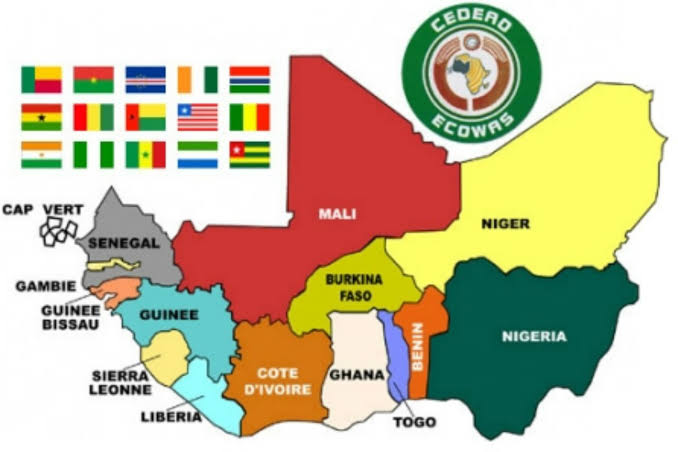
Nigeria has launched the long-delayed ECOWAS National Biometric Identity Card, a regional project aimed at modernising identity systems and easing movement across West Africa. Yet the rollout has reopened an old conversation across the region: the Alliance of Sahel States, Mali, Burkina Faso and Niger, had already designed and deployed their own unified biometric identification system months earlier, long before ECOWAS finally acted.
At the unveiling ceremony in Abuja, Interior Minister Olubunmi Tunji-Ojo described the new biometric card as a significant step toward tightening border management and improving regional security. The card features advanced biometric capabilities and is expected to serve as both an identity document and a travel credential within ECOWAS.
But several observers note that ECOWAS is arriving late to a conversation that has been rushing elsewhere. After withdrawing from ECOWAS, the AES countries fast-tracked their own identity and border security framework, linking data systems, adopting digital verification tools, and strengthening internal and external border controls. Their system was already operational across the Sahel while ECOWAS was still finalising paperwork and technical committees.
Some regional analysts argue that ECOWAS is now advancing partly because the AES bloc has shown what is possible with political will and clear priorities. For years, the ECOWAS biometric card project stalled amid shifting timelines, procurement debates, and disagreements among member states, even as insecurity, smuggling, and cross-border attacks intensified.
Nigeria’s rollout is still an important step, especially for a region struggling with porous borders and complex migration patterns. The government insists the card will enhance movement, trade and security once fully adopted. Yet questions remain over how quickly member states will integrate it, and whether the region, now divided between ECOWAS and AES, can sustain a coherent identity ecosystem.
For many watching developments across West Africa, the launch is a reminder that ECOWAS is finally moving, but doing so in a race where others have already taken the lead.
READ MORE: Armed Men Kidnap 13 Women in Northern Nigeria as Wave of Abductions Intensifies





Leave a comment