

French Media Giant Canal+ Buys Out MultiChoice in $3B Deal
 Chinalurumogu EzeJuly 24, 20251 Mins read1.5k
French media company Canal+ has officially acquired full ownership of MultiChoice, Africa’s biggest pay-TV provider, in a $3 billion deal that could reshape the continent’s media industry. The transaction, which was approved by South African authorities, gives Canal+ complete control of DStv, GOtv, and other prominent African content brands.
This landmark move means Canal+ now reaches over 14.5 million subscribers across 50 African countries, with the deal expected to be fully closed by October 8, 2025. The company plans to invest R26 billion (approximately $1.4 billion) over the next three years to boost local content, safeguard jobs, and maintain MultiChoice’s South African roots.
“This is a strategic milestone for our company,” said Canal+ Chairman and CEO Maxime Saada. “We aim to build a unified media platform that blends Canal+’s French-language programming with MultiChoice’s English and Portuguese content, while boosting local production.”
Canal+ began purchasing shares in MultiChoice in 2020 and gradually accumulated a 45 per cent stake. This final buyout now positions the company to compete with global streaming platforms like Netflix and Amazon Prime Video, particularly through African platforms such as Showmax, Africa Magic, M-Net, and SuperSport.
For many African creatives and viewers, this deal could mean more opportunities, more visibility, and more African stories being told to the world.
Read More:
- U.S.-Funded PR Network Secretly Targets Nigerian GMO Critics While Enlisting Doctors and Journalists to Shape Public Opinion
- Google Unveils $37m AI Push Across Africa, Targeting Agriculture, Health, Education in Ghana, Nigeria and Others
About The Author

%s Comment
Leave a Reply
Related Articles
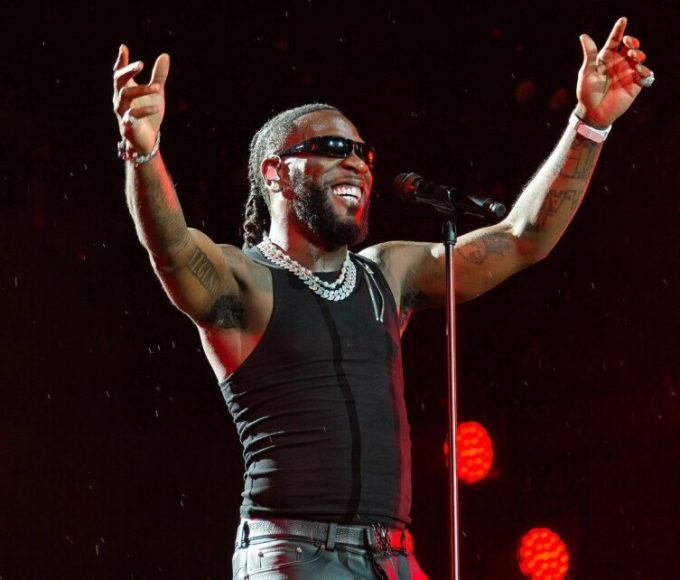
Burna Boy to Headline Historic NFL Paris Game Halftime Show
Nigerian Afrobeats superstar Burna Boy has been announced as the headliner for...
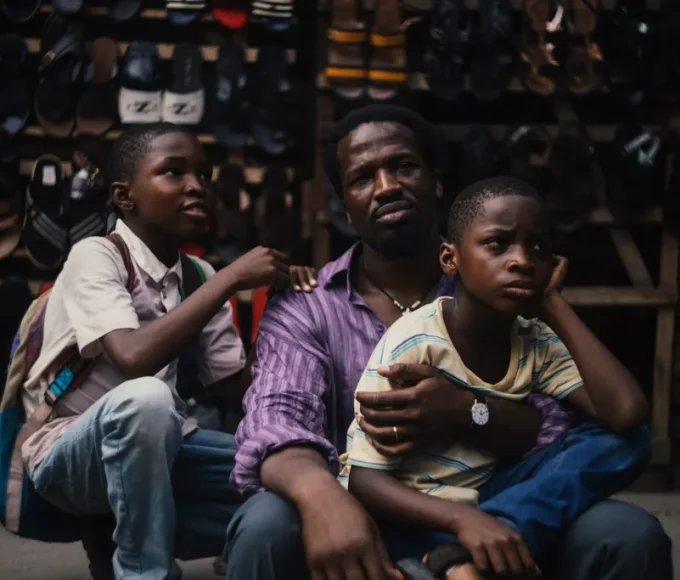
‘My Father’s Shadow’ Lands on Netflix September 21 After Historic Festival Run and $1M Box Office
Akinola Davies Jr.’s acclaimed debut feature, My Father’s Shadow, is set to...
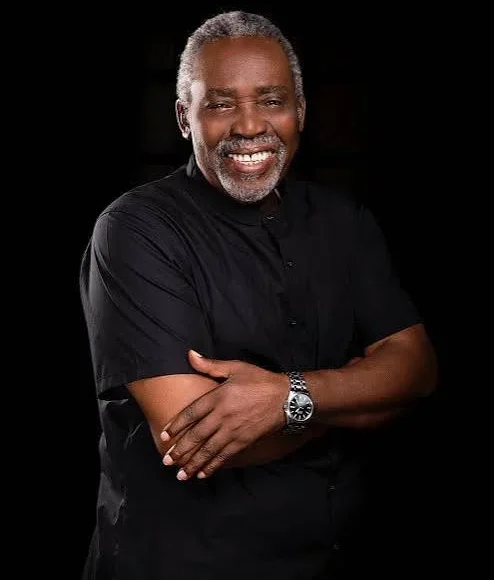
Veteran Actor Olu Jacobs Dies at 84, Nollywood Mourns the Lion of Lufodo
Veteran Nigerian actor and film executive Oludotun Baiyewu Jacobs, popularly known as...
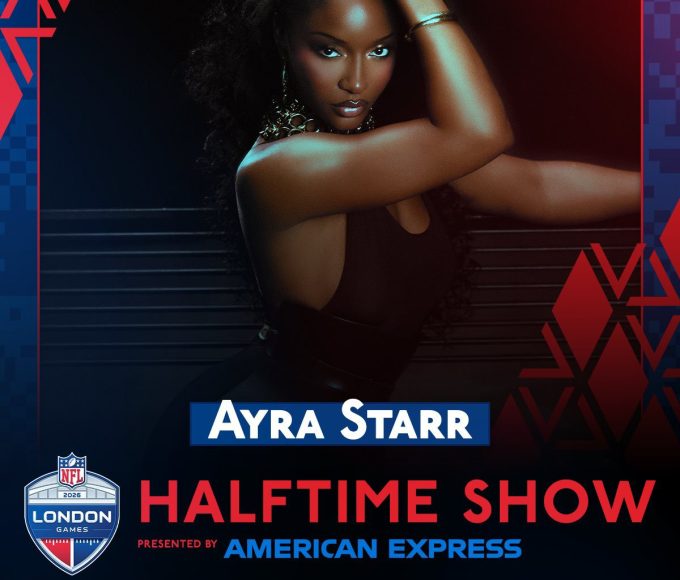

Ayra Starr Set to Make History as First Afrobeats Act to Headline NFL London Halftime Show
Award-winning Nigerian singer Oyinkansola Aderibigbe, popularly known as Ayra Starr, is set...
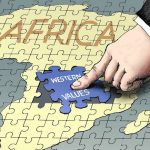
This is not just a business deal. It is a strategic soft power acquisition, especially as African nations like Mali, Niger, and Burkina Faso push back against French military and political involvement. If France can no longer dominate Africa with troops or diplomacy, it will do so with media.
The implications are immense:
• Editorial decisions about African stories may now be made in Paris, not Lagos, Nairobi or Johannesburg.
• African content creators may be forced to conform to European corporate policies and values.
• Narratives critical of France, the EU, or Western hegemony may be subtly filtered, deprioritized, or outright censored.
The West may no longer wear the badge of colonial authority, but its media machines now serve a similar function controlling what stories are told, who tells them, and how the world sees Africa.
If Africans do not control their own narratives, someone else will. And as we’ve seen, they already are.