





Cedi@60: Bank of Ghana Vows to Keep Currency Stable, Sustain Economic Stability
 Confidence UbaniJuly 9, 20251 Mins read1.2k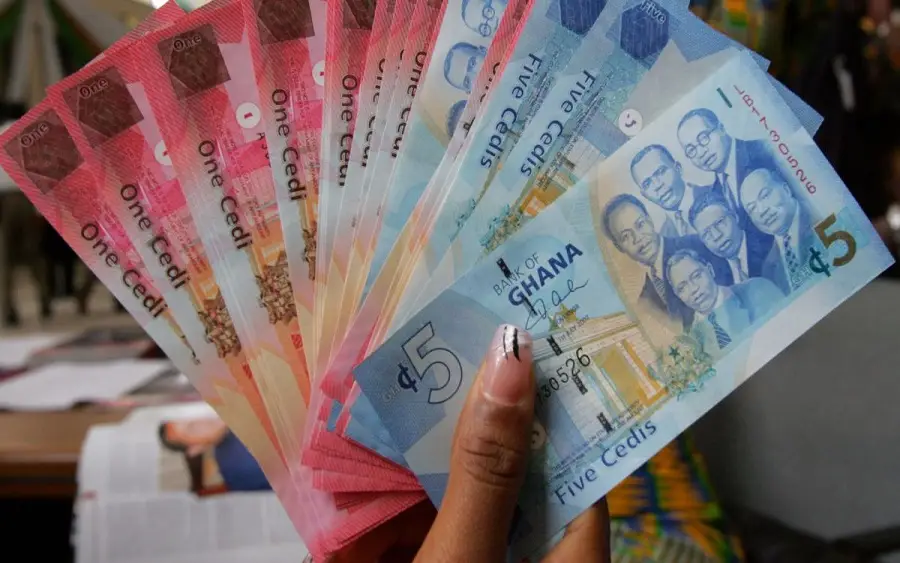
The Bank of Ghana (BoG) has reaffirmed its commitment to protecting the value of the cedi and building public confidence in the national currency.
Speaking at the launch of the Cedi@60 celebrations in Accra, BoG Governor Dr Johnson Asiama said the central bank is focused on key reforms to ensure monetary stability. These include tighter regulation of financial institutions, improvements in the inflation-targeting system, and the integration of digital tools in the payment system.
He credited both current and former BoG staff for their professionalism, which he said has helped the bank maintain stability over the years. Dr Asiama also highlighted some of the challenges that lie ahead, such as digital finance, the African Continental Free Trade Area (AfCFTA), climate change, and global economic shifts.
We must take pride in the cedi and commit to its protection,” he said. “Our goal should be to leave behind not just a stable currency, but a stronger and more respected economy.”
As part of efforts to support the cedi, the BoG recently released $20 million to ten Bulk Oil Distribution Companies through a foreign exchange forward auction. The funds, released on June 26, are expected to ease pressure on the local currency and improve fuel supplies. The auction was priced at GH¢10.40 per US dollar, with bids ranging between GH¢10.00 and GH¢10.35.
This is part of a $120 million initiative the central bank launched in April to supply foreign exchange to the oil sector every two weeks. The next round of support, worth another $20 million, is expected in early July.
The cedi is currently trading between GH¢10.35 and GH¢10.41 per dollar, according to interbank data. The currency has remained relatively stable in recent weeks, after recovering from a steep fall earlier this year when it traded above GH¢15 to the dollar. The BoG’s interventions, along with rising gold export earnings, have been credited for the recovery. Inflation has also eased slightly, dropping from 22.4 per cent in March to 21.2 per cent in April.
However, the International Monetary Fund has advised the BoG to limit direct interventions in the forex market and allow more flexibility in the exchange rate. Still, Ghanaian officials emphasise that continued support for key sectors is necessary to maintain economic stability.
Read More: IMF Pushes Ghana to Withdraw Forex Support, Overlooking the Real Impact on Citizens
CSS States May Boycott UEMOA Over Alleged Obstruction of Power Rotation by President Ouattara
About The Author



Related Articles
Gambian Businesses Struggle Under Prolonged Blackouts as Anger Mounts Ahead of December Election
Gambian businesses are collapsing under the weight of prolonged power cuts that...
Chelle Names Osimhen, Lookman, Ndidi in 24-Man Super Eagles Squad for 2027 AFCON Qualifiers
Super Eagles head coach Éric Chelle has unveiled a 24-man squad for...
Ghana Cuts Fuel Exports to Burkina Faso and Mali to Protect Its Own Supply
Ghana’s state-owned fuel distributor BOST Energies has reduced diesel and gasoline exports...


ASUU Strike Threatens to Shut Down Federal Universities as Nigerians Accuse Media of Ignoring the Crisis
The Academic Staff Union of Universities is on the verge of a...
Leave a comment