




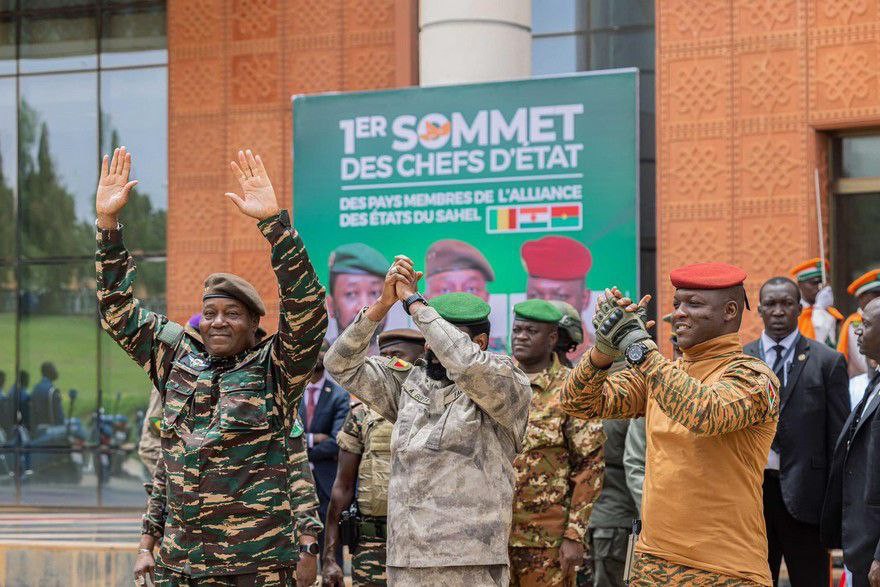
The Confederation of Sahel States (CSS), comprising Mali, Burkina Faso, and Niger, has announced the introduction of a 0.5 per cent tariff on imports from non-member countries to finance its regional integration efforts.
According to a document signed by Mali’s military leader and CSS president, General Assimi Goïta, revenue from this tariff will be allocated to finance key CSS initiatives, including economic development, public infrastructure projects, and social support programmes.
Key Aspects of the New Tariff
The tariff, known as the Confederal Levy (PC-AES), will be applied to the customs value of imported goods, following GATT (General Agreement on Tariffs and Trade) regulations.
Exemptions include goods in transit, humanitarian aid, donations, non-refundable subsidies, re-imports, and the personal belongings of travellers. Additionally, oil imports from non-member countries will not be subject to the levy.
The collected revenue will be deposited into a dedicated CSS account, monitored by finance ministers of the member states. Key areas of expenditure include Regional integration projects, the Confederal Investment Bank, Operational expenses of CSS institutions, and solidarity programmes among member states. To ensure transparency, an annual audit will be conducted by an independent firm.
National customs authorities will be responsible for collecting the levy and must transfer the funds to AES within 15 days after the end of each month.
The tariff officially came into effect on March 28, 2025,” according to the document.
Speaking on the initiative, Mali’s Minister of Economy and Finance, Alousséni Sanou, clarified that the new tariff will not burden consumers.
We have the ECOWAS community tax, which is uniformly applied,” Sanou stated in a televised address. “For Malian consumers, this tariff is merely a transfer and will not impact imports or the price of imported food.”
The CSS sees this initiative as a critical step toward financial autonomy, ensuring the region can independently fund major infrastructure, security, and development projects without relying on external aid.
Read Also:
- Niger Withdraws from Lake Chad Military Force to Focus on Internal Security
- Malian Military Reports Success in Joint CSS Operation Against Terrorists
About The Author


Leave a comment