







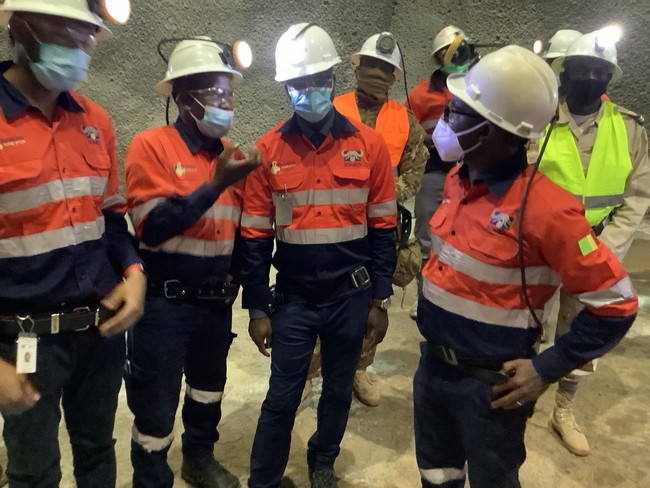
Mali and Canadian mining company Barrick Gold are set to resume negotiations over a tax dispute and the seizure of nearly three tonnes of gold worth $250 million. The talks, mediated by Mali’s National Workers Union, will begin on Tuesday, 28 January.
The conflict has disrupted operations at Barrick’s Loulo-Gounkoto gold mine. It stemmed from Mali’s new mining code, which increased the government’s share of mining revenues and removed tax exemptions for mining companies. According to sources cited by Reuters, the discussions will focus on Mali’s demand for $199 million in unpaid taxes, Barrick’s compliance with the new mining code, and the release of the seized gold.
Earlier, authorities issued an arrest warrant for Barrick’s CEO, Mark Bristow, over allegations of money laundering. Four Malian employees of the company were also detained. Barrick has denied the claims and temporarily halted its operations in Mali. Analysts warn that halting operations at Loulo-Gounkoto could cut Barrick’s 2025 earnings by 11 per cent.
The dispute with Barrick is one of several conflicts between the government and foreign mining firms. Other companies like Hummingbird Resources and B2Gold have negotiated with the government. Mali has also increased its stakes in different gold and lithium projects, including the Bougouni and Goulamina lithium mines operated by British and Chinese companies.
Mali’s new mining code is part of efforts to tighten regulations and take greater control of its mineral wealth. The reforms allow the government to claim up to a 30 per cent stake in new mining ventures. Gold contributes 25 per cent of Mali’s budget, 75 per cent of its exports, and 10 per cent of its GDP. The government hopes these changes will boost economic growth and improve financial independence. The Burkinabe and Niger junta-led governments have also made similar changes to their country’s mining regulations in a bid to reduce dependence on foreign companies.
Read More:
- Air Burkina Expands Fleet with Two New E170 Aircraft
- Arese Ugwu Announces Spin-off To The Smart Money Woman Series, Lara Unlimited
About The Author







Leave a comment