



NBS Data Shows Food Prices Increased Despite Minister’s July Promise to Crash Prices in 180 Days
 Oluwasegun SanusiJanuary 8, 20251 Mins read1.2k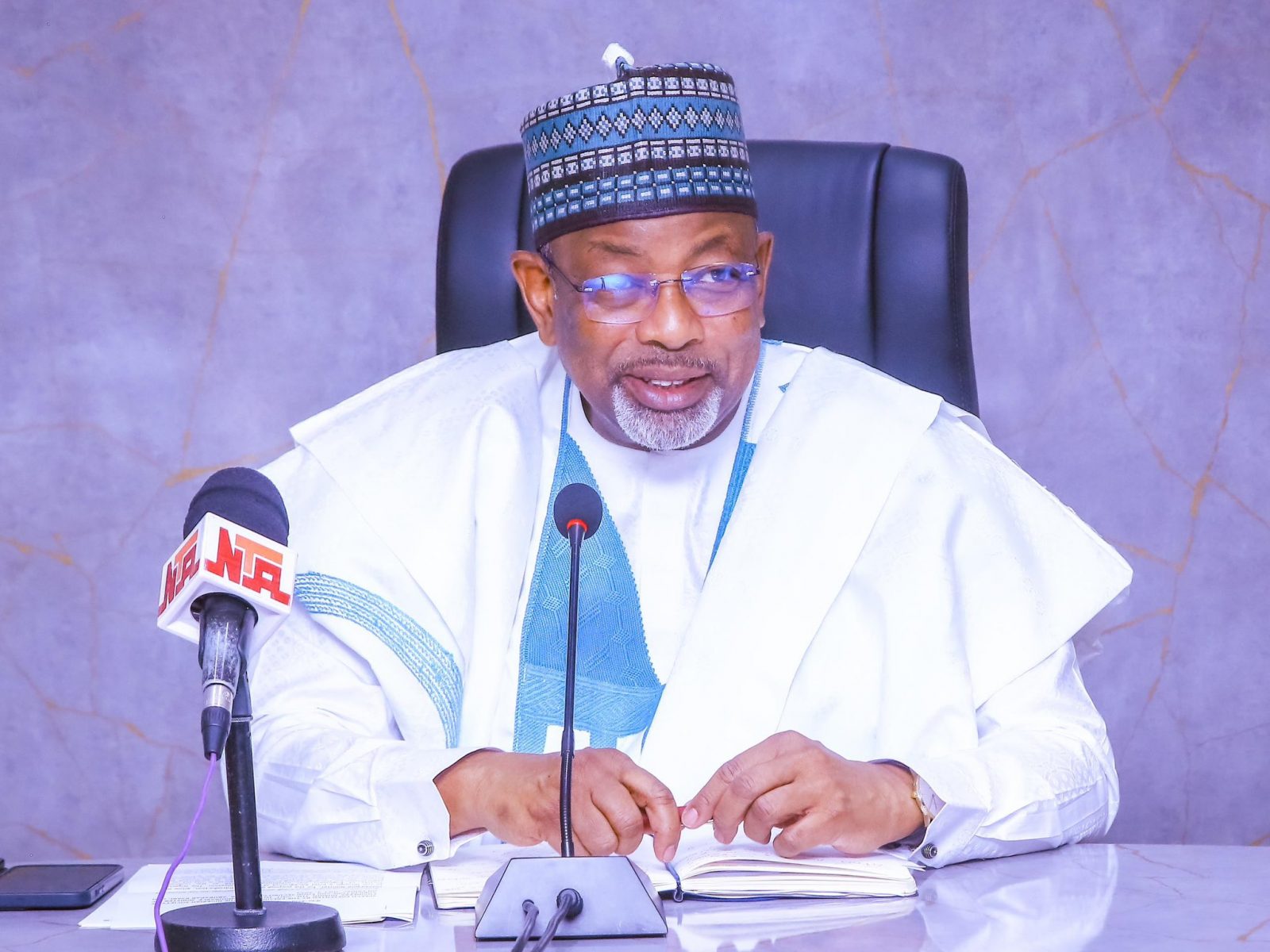
Six months after the Minister of Agriculture, Abubakar Kyari, pledged to implement strategic measures to reduce food prices, Nigerians face unprecedented food inflation, with over 30 million people projected to experience acute food shortage.
Despite initial optimism surrounding the minister’s July announcement of targeted interventions, the cost of staple foods continues to rise sharply, deepening the nation’s cost-of-living crisis.
On July 10, 2024, the minister outlined initiatives to curb the skyrocketing prices, including suspending duties, tariffs, and taxes on importing essential food commodities such as maize through land and sea borders.
However, these measures appear to have done little to alleviate the pressures on the market. According to the National Bureau of Statistics (NBS), food inflation reached a staggering 39.93 per cent year-on-year in November, compared to 32.84 per cent in the same month of the previous year.
Staples such as rice, maize, bread, potatoes, and cooking oil have driven the surge, with many Nigerians struggling to afford basic meals. On a month-on-month basis, food inflation rose to 2.98 per cent in November, up slightly from 2.94 per cent in October, marking a persistent upward trend.
While the NBS is yet to release its Selected Food Prices Watch for November and December 2024, there are projections of an increase in food prices.
In a recent report, the World Food Programme (WFP), UNICEF, and the Food and Agriculture Organisation (FAO) 2025 preview points out that Nigerians may face increased hunger and issued a grim warning that by the second half of 2025, Nigeria may face a monumental hunger crisis.
West Africa Weekly earlier detailed reports of how Nigerians across the country are grappling with skyrocketing living costs, driven by a hike in fuel prices that has triggered sharp increases in transportation, food, and other essential expenses.
These economic challenges force Nigerians nationwide to make tough choices and adapt to increasingly harsh realities.
Read Also:
- NFF Appoints Mali’s Éric Chelle as Super Eagles Head Coach
- Tinubu Administration Stifling Opposition Voices – Atiku Replies APC Spokesperson
- Tinubu Govt Hints on Tariff Increase for MTN, Airtel, Etisalat and Other Telecom Operators
About The Author



Related Articles

Barrick Reaches Deal With Mali Unions to Avert Strike at Loulo-Gounkoto as Government Tightens Grip on Gold
Barrick Mining has signed a new collective bargaining agreement with unions at...
Guinea-Bissau’s Ousted President Embalo to Return From Exile and Run in December Election
Guinea-Bissau’s exiled former president, Umaro Sissoco Embalo, has announced that he will...

Aaron Greenspan Accuses Tinubu of Lying to Court Over 1993 Political Status in FOIA Case
Aaron Greenspan, who is pursuing a Freedom of Information Act lawsuit against...

FG Approves Upgrade of Onne, Rivers, Delta, Calabar Ports, Another Promise That May Never See Daylight
The Federal Government has approved the comprehensive modernisation and upgrade of Onne,...
Leave a comment