



Provide Clean, Safe Water To Prevent Cholera Outbreaks and Protect Children – UNICEF
 Joy ChukwuJune 15, 20241 Mins read1.4k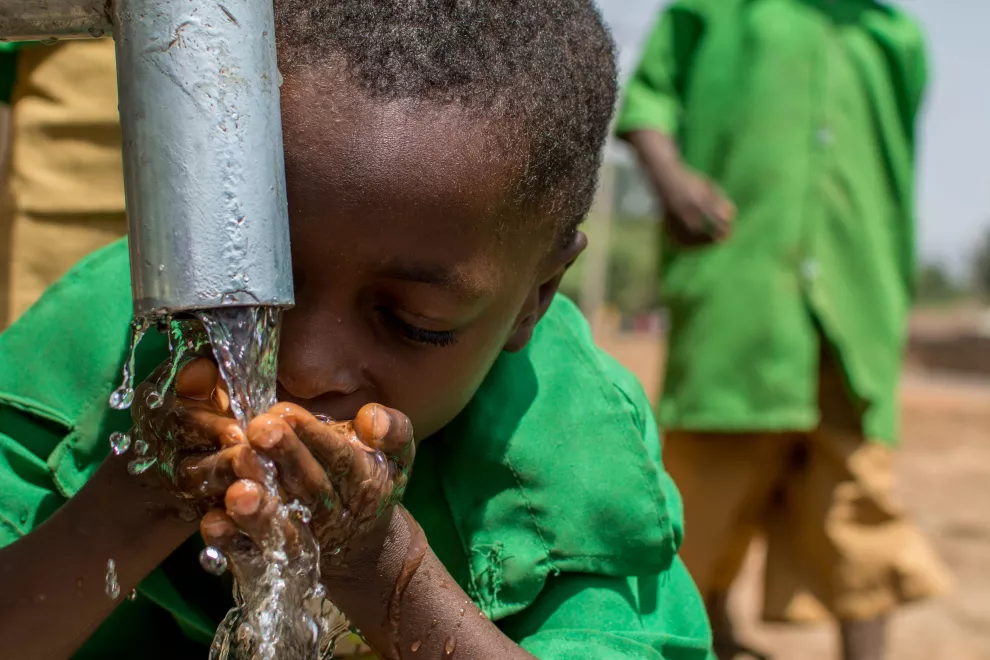
The United Nations Children’s Fund (UNICEF) has urged the government to provide clean, safe water to prevent cholera’s spread, reporting that recurring cholera outbreaks in Nigeria are severely affecting children and the general population.
In a statement issued on Saturday by Celine Lafoucrier, Chief of the Lagos UNICEF Field Office, she emphasised that children, especially those under five, are at high risk of severe dehydration and increased mortality rates due to cholera.
Lafoucrier noted that despite the state government’s efforts, the current outbreak shows the urgent need for clean water provision.
She highlighted that addressing cholera requires state policies focusing on high-quality water and sanitation facilities and robust healthcare systems.
Public campaigns on cholera prevention are also necessary to protect the population, especially children, Lafoucrier added.
She pointed out that good water and sanitation infrastructure is crucial in reducing diseases like cholera, which causes around 100,000 deaths annually.
Water, sanitation, and hygiene interventions are fundamental in preventing and responding to cholera epidemics, she said.
“Key actions include proper disposal of faeces, eliminating open defecation, and ensuring access to potable water.
“Regular hand washing with clean, running water and soap is vital.
“Additionally, avoiding the consumption of uncooked vegetables, unwashed fruits, raw or undercooked seafood, and food from street vendors is important to reduce the risk of cholera infection,” Lafoucrier emphasised.
According to her, safer water can annually prevent 1.4 million child deaths from diarrhoea, 500,000 deaths from malaria, and 860,000 child deaths from malnutrition.
It could also protect 10 million people from severe diseases like lymphatic filariasis and trachoma, she further stated.
Lafoucrier concluded that disease outbreaks hinder Nigeria’s progress towards health-related Sustainable Development Goals, especially SDG 3, which aims for healthy lives and well-being for all.
She stated that outbreaks strain the health system and divert resources from essential services. Still, they also offer a chance to strengthen the health system by promoting hygiene practices and making them a cultural norm.
Read more: NAFDAC Lifts Ban on Sachet Alcohol Sales Temporarily After House of Reps Discussions
About The Author



Related Articles

Traore Launches $30 Million Textile Complex to Cut Burkina Faso’s Reliance on Clothing Imports
Burkina Faso’s military leader, Captain Ibrahim Traore, has inaugurated a $30 million...

Guinea and Ivory Coast Presidents Agree to Strengthen Security, Trade and Political Ties
Guinea’s President Mamady Doumbouya arrived in Abidjan on Friday for talks with...

Niger Replaces Military Chief After Russian Drones Help Crush Deadly Mutiny
Niger’s military ruler, General Abdourahamane Tiani, has replaced the country’s armed forces...
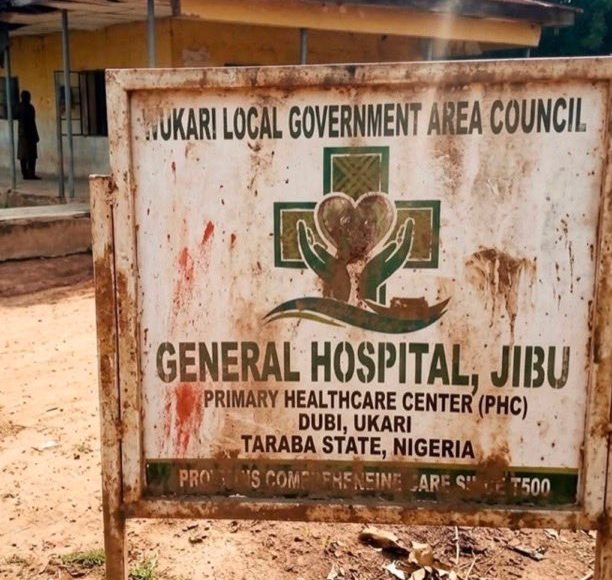

BudgIT Exposes Taraba’s Rot: ₦5.55bn for Wukari, Patients Sleep on Mats at Jibu Hospital
A civic technology organisation, BudgIT, has exposed a stark contradiction in Taraba...