






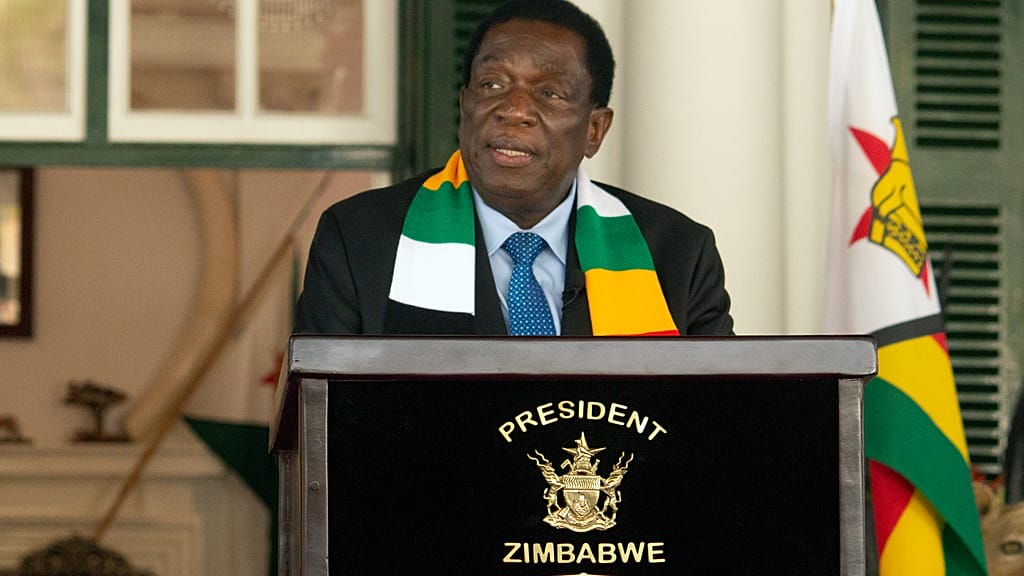
Zimbabwe’s ruling ZANU-PF party has unanimously endorsed President Emmerson Mnangagwa as its sole presidential candidate for elections now scheduled for 2030, effectively extending his rule beyond the constitutional limit he was supposed to reach in 2028.
The resolution was adopted at the party’s 23rd National People’s Conference in Chinhoyi, northwest of the capital Harare, which concluded on Saturday. The presidency announced on X that the party had “unanimously resolved to extend President Mnangagwa’s term beyond 2028 to 2030”.
The decision follows constitutional amendments signed into law by Mnangagwa in July 2026. Those amendments extended presidential and parliamentary terms from five to seven years and abolished direct presidential elections, handing the power to choose the president to parliament instead of the voters. The next election, originally due in 2028, has been pushed back by two years.
READ MORE: Sahel States Restart Dialogue With ECOWAS After 18-Month Break
The conference also resolved to postpone the party’s elective congress from 2027 to 2029, aligning ZANU-PF’s internal electoral cycle with the amended national constitution. Legal Affairs Secretary Ziyambi Ziyambi said the party constitution would be amended to accommodate the changes and confirmed that Mnangagwa would remain party president and candidate at the 2029 congress.
Mnangagwa, who is 84, has ruled Zimbabwe since 2017, when a military coup removed long-serving leader Robert Mugabe. By 2030, he would have been in power for 13 years. The constitutional changes have effectively closed the door on any succession challenge from within the party, including from Vice President Constantino Chiwenga, who was once seen as a potential successor.
The amendments have deepened concerns about Zimbabwe’s democratic trajectory. The country now has a president who can be chosen by parliament rather than the electorate, serving a seven-year term instead of five, with his party having already anointed him as the only candidate for the next vote. The ZANU-PF conference presented the changes as a move toward stability and continuity. Critics see them as a consolidation of power that removes the last remaining checks on Mnangagwa’s rule.
About The Author



Leave a comment