


Zambia Shuts Down All Courts to Block Opposition Election Challenge
 West Africa WeeklyAugust 26, 20262 Mins read384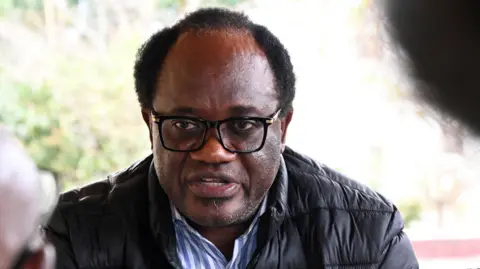
Zambian authorities closed the country’s top courts on Monday, blocking access to judicial premises on the last day the opposition could file a challenge to this month’s disputed presidential election. Court premises in the capital Lusaka and elsewhere were sealed off with police tape and guarded by heavily armed personnel, with lawyers arriving to file cases being turned away. The courts that have been sealed off include the High Court in Lusaka, the Supreme Court, which also houses the Constitutional Court, and several local courts.
Opposition leader Brian Mundubile, who came second with 38 per cent of the vote, had vowed to challenge the election result citing irregularities in the conduct of the poll and vote counting. Incumbent President Hakainde Hichilema won a second term with 60 per cent of the vote. Under Article 103 of the Constitution, petitions must be filed within seven days of the declaration of results, a period that expired on Monday.
A memorandum from the chief administrator of the judiciary, seen by Reuters, said that “for security reasons, all members of staff are advised not to report for work today”. The Zambia Police Service offered a different explanation, saying security agencies were conducting intelligence-led and preventive risk assessments at selected government premises. State House rejected claims that President Hichilema ordered the closure to prevent the opposition from filing election petitions, with Chief Communications Specialist Clayson Hamasaka saying the allegation is inconsistent with the Constitution and available facts. He said the operations were intelligence-led and preventive, intended to safeguard government institutions, public officers and members of the public.
READ MORE: Oyo Govt Accuses FG of Politicising Ibadan-Ijebu-Ode Road Flag-off, Excluding Makinde
Mundubile is in hiding over alleged threats made against him, amid a post-election period marked by controversy, including the shooting dead of an opposition figure and the arrest of others. He remains in a secure location under the protection of what his campaign describes as an “international human rights body”. He went into hiding after the arrests of opposition figures and the death of former minister Mutotwe Kafwaya during a raid by security officers, in what officials described as an exchange of fire in a security operation in the capital. Amnesty International described Kafwaya’s killing as “deeply alarming” and called for prompt, thorough and impartial investigations.
The Law Association of Zambia condemned the closures, warning they undermine access to justice and risk prejudicing constitutional rights. “It is, therefore, imperative that the judiciary immediately clarify the arrangements in place to ensure that no person is prejudiced in exercising a constitutional or statutory right by reason of the closure, including any applicable filing deadline,” LAZ president Arnold Kaluba said. Civil society leaders emphasised that access to justice and judicial review of electoral processes are fundamental rights that cannot be unilaterally suspended by executive action.
Two reports by independent observers found indications that Hichilema’s vote count was inflated, though Hichilema has denied any fraud. The European Union observation mission said restrictions on the opposition may have contributed to an uneven contest. On vote tallying, the mission described a heavy military presence as intimidating and said it had received reports of attacks on some tallying centres. Despite the court closure, preparations for Hichilema’s inauguration, scheduled for 1 September, are continuing. The youth and sport ministry has issued a media invitation for journalists to accompany a cabinet official on an inspection of arrangements at National Heroes Stadium.
About The Author

Related Articles
Police Claimed Mines Prevented Rescue of NYSC Members, But Corps Members Walked Out of the Forest After Ransom Was Paid
The release of 20 abducted National Youth Service Corps members in Imo...
Tinubu’s 30-Day Petrol Discount Sparks Fury as Nigerians Accuse Government of Electoral Bribe and Propaganda
The Federal Government’s announcement of a 30-day discount on petrol at NNPC...
Cameroon Commits to Stronger Bilateral Ties with Nigeria
Cameroon has reaffirmed its commitment to strengthening bilateral relations with Nigeria, pledging...


Ghana Borrows $288 Million at 11% to Pay Cocoa Farmers After Delayed Purchases
Ghana’s cocoa regulator has been forced to borrow 3.39 billion cedis, about...
Leave a comment