






Yuletide Airfare Surge: Domestic Flights in Nigeria Break N300,000 Amid Security and Economic Pressures
 West Africa WeeklyDecember 4, 20252 Mins read534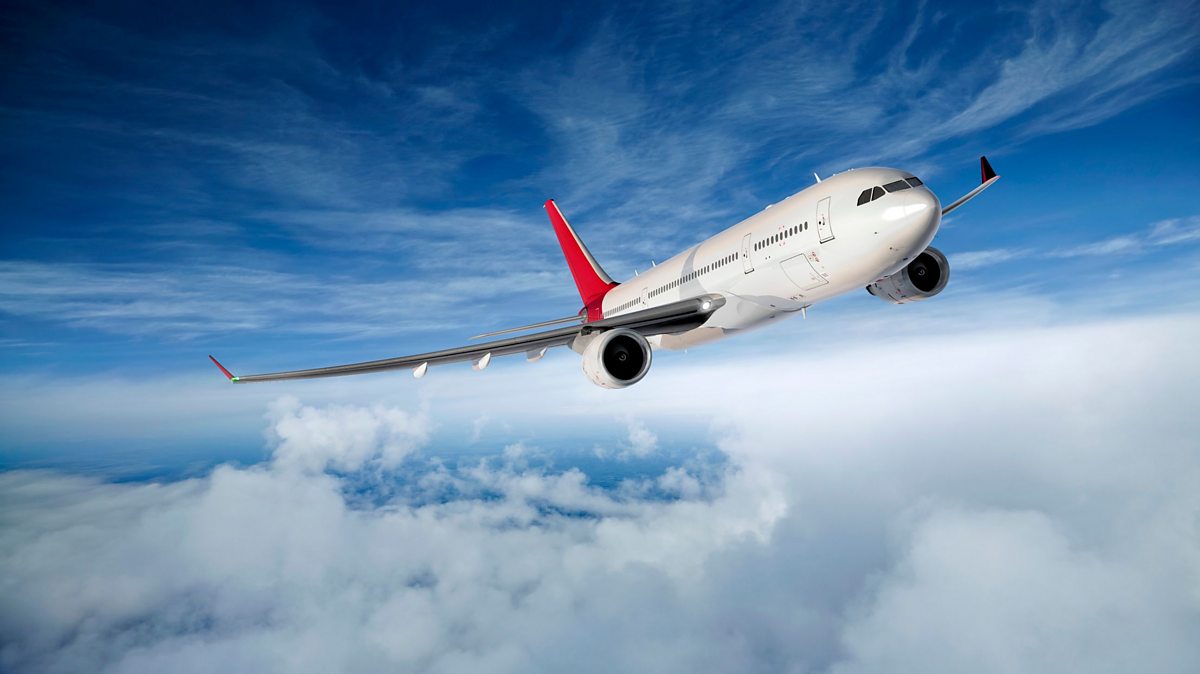
As Nigerians prepare for the holiday season, airfares on key domestic routes have surged past 300,000 naira for one-way tickets. The sharp increase comes amid rising demand, but industry insiders say multiple factors, including insecurity, economic strain, and limited airline capacity, are driving prices to unprecedented levels.
Travellers increasingly prefer air travel over road trips due to the ongoing threat of banditry, terrorism, and highway attacks across several states. Routes that would typically see hundreds of passengers travelling by bus or car are now dominated by air travellers, a shift that has put further pressure on available seats and led airlines to raise fares sharply.
For example, economy class fares from Lagos to Asaba during the peak festive window are listed at 337,500 naira on some carriers, while Abuja to Asaba flights reach 335,500 naira. Airlines attribute the surge to a combination of high demand and a shortage of serviceable aircraft. Many carriers are operating with only a fraction of their fleets cleared for service, limiting seat availability at a time when travellers are eager to avoid dangerous road journeys.
The economic reality in Nigeria has compounded the problem. Rising operational costs, expensive aircraft maintenance, multiple layers of taxation, and inflationary pressures mean airlines have little choice but to pass costs on to passengers. Even ordinary citizens struggling with the cost of living now find air travel increasingly expensive.
The situation is further complicated by airport infrastructure. Lagos’ main airport, which has received significant investment recently, continues to face challenges and outdated facilities, highlighting a disconnect between the money spent and the quality of services available.
This is not the first time Nigeria has seen sharp fare increases during the festive season. Historically, domestic flight prices spike during peak periods, but this year’s surge is amplified by security concerns and the economy’s strain. Travellers now face a difficult choice: pay soaring airfares, risk long road trips on unsafe highways, or delay holiday plans altogether.
Industry voices are calling for government intervention, urging support for airlines to expand fleet capacity, invest in maintenance, and improve airport infrastructure. Analysts warn that without these measures, domestic air travel risks becoming affordable only for the wealthy while ordinary Nigerians bear the brunt of insecurity and systemic challenges.
The spike in fares this Yuletide serves as a stark reminder of how intertwined security, infrastructure, and economic pressures are in shaping mobility across Nigeria. For many, what was once a simple holiday journey has become a high-stakes decision between safety, cost, and convenience.
READ MORE: Wizkid, Seyi Vibez, and Asake Dominate Spotify’s 2025 Wrapped in Nigeria
About The Author


Related Articles

Tinubu Hands Another $700 Million to Convicted Money Launderer Chagoury While His Son Sits on the Board
Since President Bola Tinubu took office, one man has quietly collected more...

Algeria and Niger Move to Revive $13bn Trans-Saharan Gas Pipeline
Algeria and Niger have taken new steps toward advancing the long-delayed Trans-Saharan...

Sahel Alliance Rejects EU Resolution, Calls It Foreign Interference
The Alliance of Sahel States has strongly rejected a recent resolution by...

Malian Army Kills 40 Militants, Frees 12 Hostages in Kayes Operation
Mali’s armed forces say they have killed around 40 suspected jihadist fighters,...
Leave a comment