






US Peace Talks All for Nothing as Fighting Engulfs Eastern Congo and Rebels Advance
 West Africa WeeklyDecember 11, 20252 Mins read442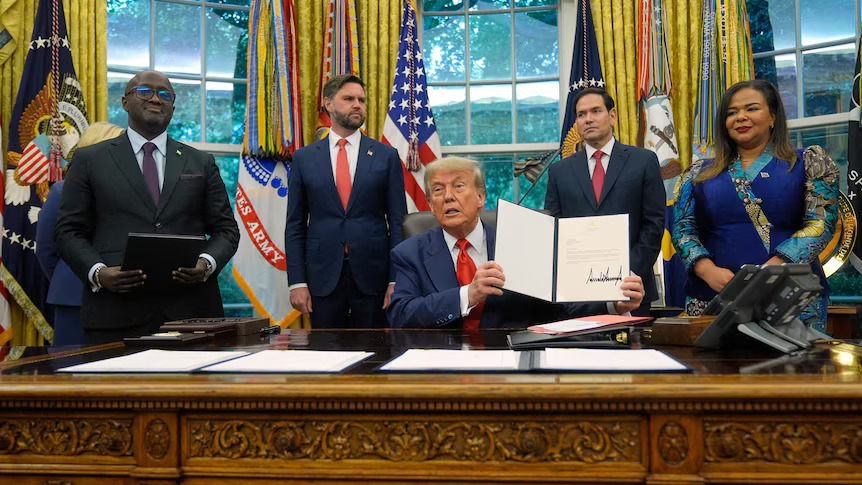
What was presented as a breakthrough moment of diplomacy has instead become a stark reminder that peace remains elusive in eastern Congo. Recently, the leaders of the Democratic Republic of Congo, Rwanda, and the United States gathered in Washington for a high-profile ceremony to affirm a peace deal meant to end years of brutal conflict. The summit was billed as a triumph of negotiation and international effort. But on the ground in Congo, the guns have only roared louder, and the suffering has deepened, leaving many to conclude that the peace talks achieved nothing of lasting value.
The heart of the conflict lies in the mineral-rich provinces of Congo’s east, where a powerful rebel force known as M23 has been advancing through territory, seizing towns and triggering waves of displacement. Civilians in towns and villages have been killed, wounded, and forced from their homes in their hundreds of thousands as fighting intensifies. Despite the Washington event and repeated pledges by national leaders and foreign mediators to end the violence, M23 fighters have continued their offensive unimpeded.
The rebel group is widely believed to be backed by forces from a neighbouring country, though those accusations are repeatedly denied. International observers and regional governments have expressed alarm at the pace of the rebel advance and the mounting humanitarian toll. Aid workers speak of lives lost to shelling and gunfire and entire communities uprooted as families seek safety in neighbouring regions and countries.
In the diplomatic arena, the United States promoted the peace agreement as a flagship achievement of its foreign policy and as an example of its role as a broker in global conflicts. Leaders took to the stages and microphones to describe the accord as a step toward stability, economic cooperation, and access to critical minerals that fuel industries around the world. Yet within hours of the signing events, fighting flared between government forces and the rebels, underscoring the gulf between the ceremonial rhetoric and the harsh realities of war.
READ MORE: IMF Flags Bondholder Concerns as Senegal Faces Deepening Debt Troubles
Critics of the peace process point to its fundamental flaw. The agreements negotiated and signed in Washington involved the governments of Congo and Rwanda but excluded the principal armed group driving the conflict. Without the rebels, whose guns control much of the eastern landscape, there was never a clear path to enforce any commitments made at distant tables. Observers now argue that efforts that focus on political leaders and economic incentives, while sidelining the people and fighters most directly involved in the conflict, were bound to falter.
Adding to the sense of failure is the continuing displacement of civilians. Reports from humanitarian agencies describe mass movements of people fleeing violence, many lacking food, shelter, and basic services. The human cost of the conflict has grown even as diplomatic claims of progress were being broadcast to the world.
Regional leaders and international officials have called for renewed efforts to stop the fighting and reinvigorate negotiations. Still, there is no guarantee that further talks will succeed where earlier ones have failed. Some voices now suggest that imposing sanctions or other pressure on parties accused of fuelling the war might be necessary to compel real change. Others warn that the deeper causes of the conflict, including competition for control of mineral resources and historical grievances, must be addressed if peace is ever to take hold.
For now, the guns continue to roar in eastern Congo, and the peace process that once promised an end to decades of bloodshed lies in tatters. The images of smiling leaders at high-level summits and the language of agreement have given way to the grim reality of towns under siege and families torn apart. In the end, the most visible outcome of the diplomatic push has been more fighting, more displacement, and a deepening sense that peace remains distant and very fragile.
About The Author

Related Articles
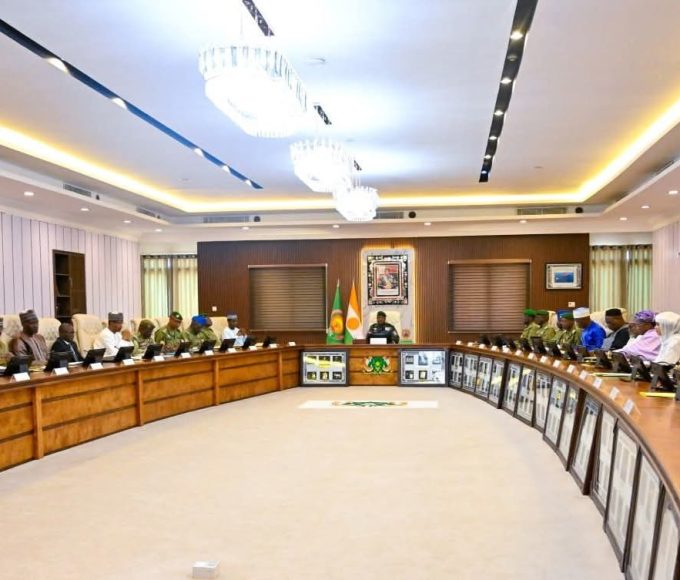
Niger Government Sanctions Mining Firms, Refuses Oil Permit Renewal
The government of Niger has taken firm action against several mining and...
Burkina Faso Army Recaptures Towns Held by Militants for Seven Years
The armed forces of Burkina Faso say they have regained control of...

Ghana Seeks Stronger Trade and Investment Relations With Nigeria
Ghana is pushing for deeper trade and investment cooperation with Nigeria as...

Peter Obi Donates ₦60 Million to Support Nigerian Universities
Former Anambra State governor and presidential candidate Peter Obi has donated ₦60...
Leave a comment