




US Evacuates Staff From Nigeria, Declares 23 States No-Go Zones Under Tinubu’s Watch
 West Africa WeeklyApril 9, 20262 Mins read14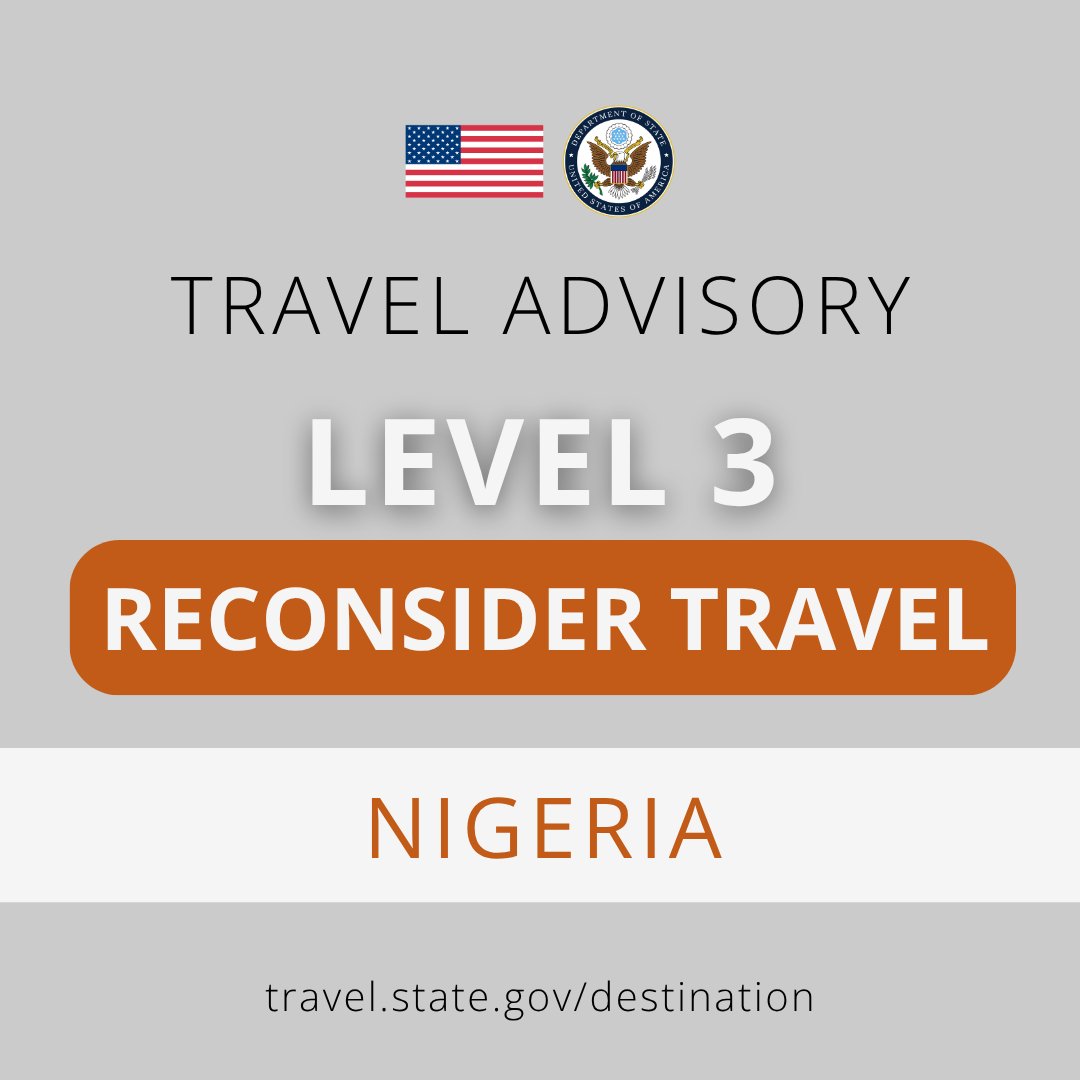
The United States government has ordered the evacuation of non-emergency personnel and their families from its embassy in Abuja, citing a deteriorating security situation across Nigeria under President Bola Tinubu. In an updated travel advisory issued on April 8, 2026, the US Department of State warned American citizens to reconsider travel to Nigeria due to rising concerns including crime, terrorism, kidnapping, civil unrest, and the inconsistent availability of healthcare services.
The advisory places Nigeria at Level 3, which means “Reconsider Travel.” However, 23 states have now been escalated to the highest warning level, Level 4, which means “Do Not Travel.” The newly added states to the Do Not Travel category include Plateau, Jigawa, Kwara, Niger, and Taraba. These join Borno, Yobe, Kogi, and northern Adamawa, where terrorism and kidnapping risks remain high. In the South and Southeast, the US government also warned its citizens to avoid Abia, Anambra, Bayelsa, Delta, Enugu, Imo, and Rivers states, with the exception of Port Harcourt, due to violent crime, kidnapping, and civil unrest.
The decision is a significant diplomatic blow to the Tinubu administration, which has repeatedly assured Nigerians and the international community that security was improving. Instead, the US has effectively declared more than half of the country unsafe for its citizens. The directive allows essential diplomatic staff to remain but marks a substantial drawdown of the American footprint in the Federal Capital Territory. Washington’s decision follows a quarterly security assessment that painted a grim picture of President Tinubu’s “Renewed Hope” agenda, which critics say has failed to arrest the surge in mass kidnappings, banditry, and coordinated terrorist activities now encroaching on the capital itself.
The State Department warned that violent crime is now common throughout Nigeria, including armed robbery, assault, carjacking, kidnapping, hostage-taking, roadside banditry, and rape. It noted that kidnappings for ransom happen often and primarily target dual national citizens visiting Nigeria, adding that Americans are perceived as wealthy and are often targeted. The advisory also stated that kidnapping gangs have stopped drivers on interstate roads to rob and kidnap victims.
On the threat of terrorism, the US warned that terrorist groups continue plotting and carrying out attacks in Nigeria, often collaborating with local gangs to expand their reach. The advisory noted that attacks could occur with little or no warning at shopping centres, markets, hotels, places of worship, restaurants, schools, government buildings, transportation hubs, and any public place where crowds gather. The warning comes as Nigeria ranks fourth in the global terrorism index, according to a March 2026 report by the Institute for Economics & Peace, which recorded a 46 percent increase in deaths from terrorism in 2025 under President Tinubu.
The US also highlighted concerns over Nigeria’s healthcare system, describing medical services as limited and inconsistent, often falling short of American or European standards. The State Department advised Americans who must travel to Nigeria to enrol in the Smart Traveler Enrollment Program for real-time updates, avoid protests and crowded places, and establish personal safety measures, including “proof of life” protocols. The department further warned that its ability to provide emergency services to its citizens in some areas of Nigeria is limited, particularly in regions affected by heightened insecurity.
For the Tinubu administration, the evacuation represents a major international embarrassment. It undermines claims that the military is successfully reclaiming territory from non-state actors and exposes the gap between official rhetoric and ground reality. As of the time of this report, the Nigerian government has yet to respond substantively to the US advisory. The Presidency recently declared a nationwide security emergency and promised to deploy AI-enabled surveillance to combat the crisis, but the US move suggests that international observers view these measures as insufficient. The “authorized departure” status is often a precursor to a full mission closure if conditions do not improve. For now, America has sent a clear message to its citizens: stay away from Nigeria.
About The Author


Related Articles

Nigeria DJ Association Declares Temporary Ban on Burna Boy Over Attack on DJ Tunez
The Nigerian DJ Association (NDJ) has directed its members nationwide to temporarily...
Zimbabwe’s Plan to Scrap Presidential Elections Sparks Fears of a ‘Slow Coup’
Fears are growing in opposition circles in Zimbabwe that the ruling Zanu‑PF...

Peter Obi Lists 20 Teaching Hospitals Left to Rot as Tinubu Spends More on Election Lawsuits Than Primary Healthcare
Former governor of Anambra State Peter Obi, has described Nigeria as a...


APC Government Wastes Public Funds on Substandard Projects as Windstorm Damages Wike’s Abuja Terminal, ₦1.3bn Enugu School Collapses After Rain
Barely months after commissioning, billion-naira public projects under Nigeria’s ruling All Progressives...
Leave a comment