






U.S.-Brokered Congo–Rwanda Deal Sparks Accusations of Resource Grab and Neo-Colonial Control
 West Africa WeeklyDecember 5, 20252 Mins read764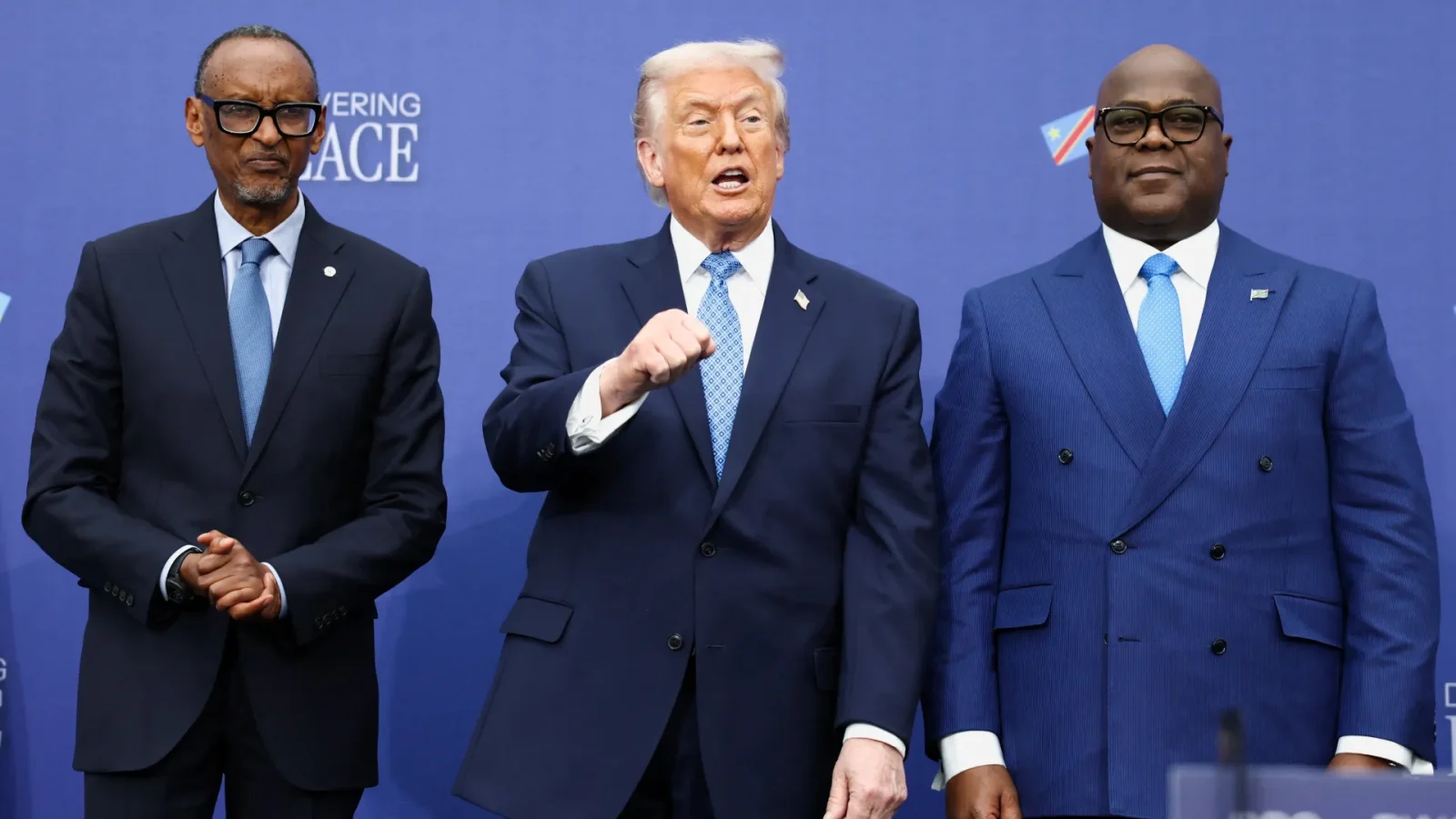
The recent diplomatic agreement brokered by the United States between the Democratic Republic of Congo and Rwanda, intended to calm a decades-long conflict, has ignited a fierce backlash across Central Africa and beyond. While framed in Washington as a vital step toward peace, the deal is being denounced by a broad coalition of activists, and independent analysts as a sophisticated mechanism for resource extraction and neo-colonial control, masquerading as a conflict resolution effort. The core of the criticism lies in the belief that the pact ultimately rewards Rwandan aggression and strategically secures Western, particularly American, access to the DRC’s vast mineral wealth, all under the guise of diplomatic peacemaking.
The agreement, forged with significant involvement from the U.S. State Department, ostensibly addresses the security crisis in eastern DRC, where the Rwanda-backed M23 rebel group has seized considerable territory. In exchange for Kigali withdrawing support for the militants, Kinshasa has committed to addressing Rwandan security concerns regarding other armed groups on its soil. Western capitals have welcomed the framework as a long-overdue opportunity for stability. On the ground in the DRC, however, the narrative is starkly different. Many view the negotiations as having forced a sovereign nation to bargain with an invading power, thereby legitimising the occupation of its land. The bitterness is palpable in Kinshasa, where the deal is seen not as a compromise but as a capitulation that violates the nation’s territorial integrity.
Beneath the security provisions, observers detect the looming, unspoken prize: the DRC’s staggering mineral reserves. The region is the world’s primary source of cobalt and a major supplier of coltan, both of which are essential for smartphones, electric vehicles, and advanced electronics. For years, UN experts have documented how the illicit trade of these resources has fueled the conflict. Critics now fear the new deal will transition this exploitation from a shadow war to a formalised economic arrangement. The suspicion is that Rwanda, potentially in partnership with Western capital, will gain preferential or legitimised access to mining sectors as part of undisclosed “regional cooperation” or “post-conflict development” clauses, turning plunder into policy.
READ MORE: Tinubu Expands Ambassadorial List to 65 Nominees Amid Growing Debate
The role of the United States as the primary broker sits at the centre of the neo-colonial accusations. Analysts highlight the intense global competition, particularly between the U.S. and China, to secure supply chains for critical minerals essential for the green energy transition. With Chinese firms dominating much of the DRC’s existing mining sector, this agreement is interpreted by many as a strategic American move to reshape the regional order. By leveraging its diplomatic power to establish a framework that empowers a U.S. ally, Rwanda, to exert influence over Congolese resources, Washington is perceived as securing its own economic and strategic interests while containing its geopolitical rivals. The peace, therefore, is viewed by sceptics as a prerequisite for a more stable and profitable extraction ecosystem.
The Congolese government, led by President Félix Tshisekedi, is caught in a difficult bind, balancing immense public pressure to assert sovereignty with the pragmatic realities of international diplomacy and military pressure. While his administration has not rejected the deal outright, its statements emphasise unwavering principles of territorial integrity, a clear signal to a domestic audience furious at any perception of weakness. The path forward is fraught. The M23 group has a history of breaking ceasefires, and the deep-seated hatred between the nations is a tinderbox. If the implementation process falters or the suspected economic dimensions of the pact become apparent, the current wave of criticism could easily escalate into widespread unrest, challenging the stability of the Congolese state itself. Thus, an agreement heralded abroad as an end to war risks becoming a new flashpoint for anger and disillusionment within it.
About The Author


Related Articles
Tinubu Hands Another $700 Million to Convicted Money Launderer Chagoury While His Son Sits on the Board
Since President Bola Tinubu took office, one man has quietly collected more...
Algeria and Niger Move to Revive $13bn Trans-Saharan Gas Pipeline
Algeria and Niger have taken new steps toward advancing the long-delayed Trans-Saharan...
Sahel Alliance Rejects EU Resolution, Calls It Foreign Interference
The Alliance of Sahel States has strongly rejected a recent resolution by...

Malian Army Kills 40 Militants, Frees 12 Hostages in Kayes Operation
Mali’s armed forces say they have killed around 40 suspected jihadist fighters,...
Leave a comment