



Tinubu’s Senate Refuses Full Electronic Transmission, Keeps Manual Option
 West Africa WeeklyFebruary 11, 20262 Mins read227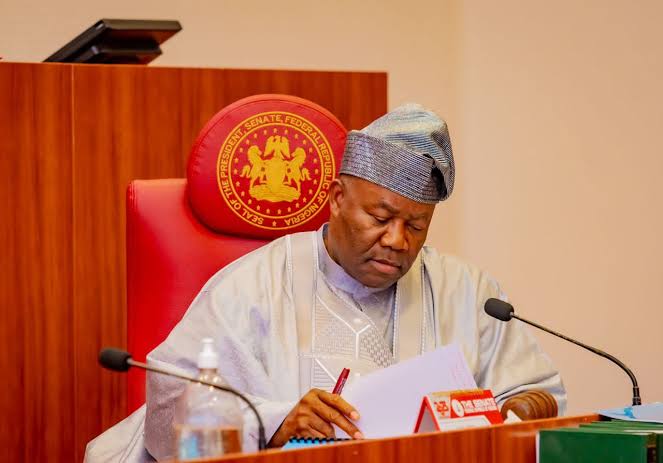
Tension is building across the country after the Senate, led by Godswill Akpabio, approved a conditional clause for electronic transmission of election results, a decision that many Nigerians believe leaves the door open for a return to manual collation.
The controversial amendment allows results to be transmitted electronically after they are signed at polling units. But it also states that if electronic transmission fails, the manually signed result sheets will be used for collation. For Nigerians, that single condition is the problem. They fear it creates a loophole that could be exploited during elections.
The decision came after a heated session in the Senate, where lawmakers argued over the future of electoral reforms. Voices were raised on the floor as senators disagreed over whether the country should commit fully to real time electronic transmission or maintain manual options as a backup.
Outside the National Assembly, the debate spilled into the streets. Protesters gathered in Abuja, calling on lawmakers to protect electronic transmission and prevent what they described as a deliberate attempt to weaken the electoral process ahead of 2027.
Among those who addressed the protesters was former presidential candidate Peter Obi. He urged lawmakers to allow elections follow the normal process without unnecessary complications.
Simple transmission. Allow the elections go through the normal process. Whatever comes out of it, we will accept. Why are you causing confusion? he told the crowd.
Obi’s remarks echoed the concerns of many citizens who believe Nigeria has already invested heavily in electoral technology and should not retreat to systems that have long been associated with manipulation and disputes.
Within the Senate, Senator Natasha Akpoti also spoke strongly against the conditional clause. She argued that real time transmission is achievable if the political will exists.
Absolute real time transmission is possible. INEC should partner with Starlink for remote connectivity. With INEC’s 2026 budget at ₦1.01 trillion, there are zero excuses, she said.
Her intervention drew praise from many Nigerians, especially given her own experience in the Senate. She had earlier been suspended after a heated confrontation during plenary, a move that critics said was meant to silence dissenting voices. Rights groups and civil society organisations later called for her reinstatement, describing the suspension as excessive and undemocratic.
For many observers, the debate is not just about technology or network challenges. It is about trust. Nigeria spent hundreds of billions of naira on electoral reforms in recent years, including the introduction of electronic accreditation and transmission systems. Yet the last general election was marred by delays and controversies surrounding result transmission, with many voters complaining about discrepancies between electronic promises and manual outcomes.
Nigerians at home and abroad now question why lawmakers would assume electronic transmission will fail even before the next election. They argue that instead of strengthening the system, the Senate appears to be preparing a legal path back to manual collation.
Supporters of the amendment insist that Nigeria still faces connectivity problems in some rural areas and that a manual backup is necessary to prevent the entire process from collapsing if networks go down. But many Nigerians are not convinced. To them, the fear is that the same authorities who control the process could also control when and where electronic transmission is said to have failed.
As the bill moves toward final approval, the battle over electronic transmission is becoming one of the defining political issues ahead of the next general election. On the streets, in the Senate, and across the country, the question remains the same. If the system truly reflects the will of the people, why resist real time results that everyone can see.
About The Author



Related Articles
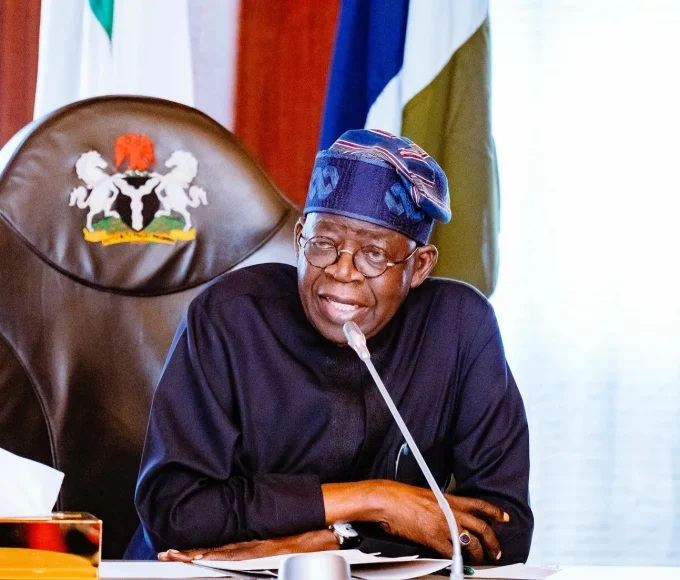
Tinubu Government Pushes Electric Vehicles While Nigerians Struggle to Charge Phones Amid a Collapsing Grid
The presidency announced this week that it is pushing for the adoption...

Victor Osimhen Named Greatest Foreign Player in Galatasaray History
Turkish giants Galatasaray have named Nigerian striker Victor Osimhen as the greatest...
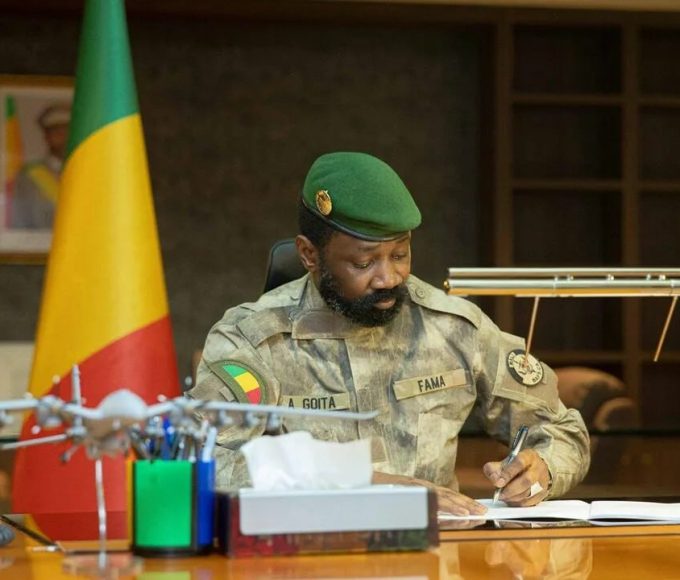
Mali Prepares 10‑Point Response Plan as Middle East Tensions Threaten Maritime Supply Routes
Mali’s transitional president, Assimi Goïta, chaired an ordinary session of the Council...
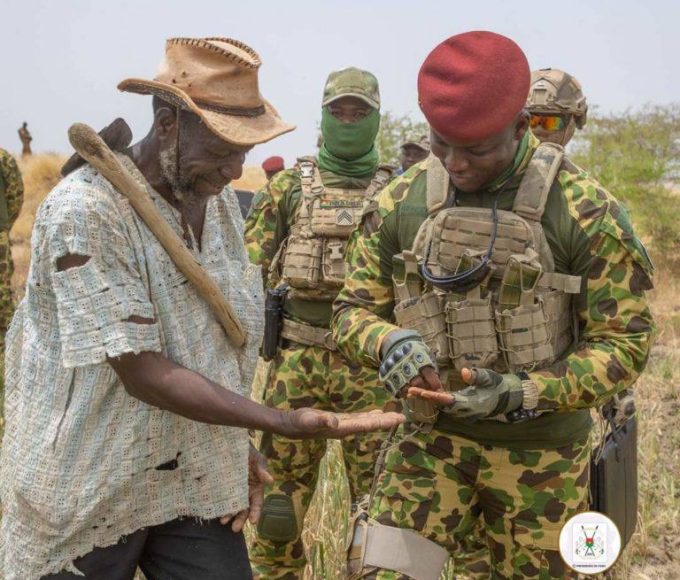

Burkina Faso Takes on Economic Domination with 10‑Day Campaign for Local Consumption
Burkina Faso has kicked off its National Days of Patriotic Engagement and...
Leave a comment