




Tinubu Has “Sold Out” Nigeria to the West While the Military and Citizens Remain Silent
 West Africa WeeklyDecember 7, 20252 Mins read1.1k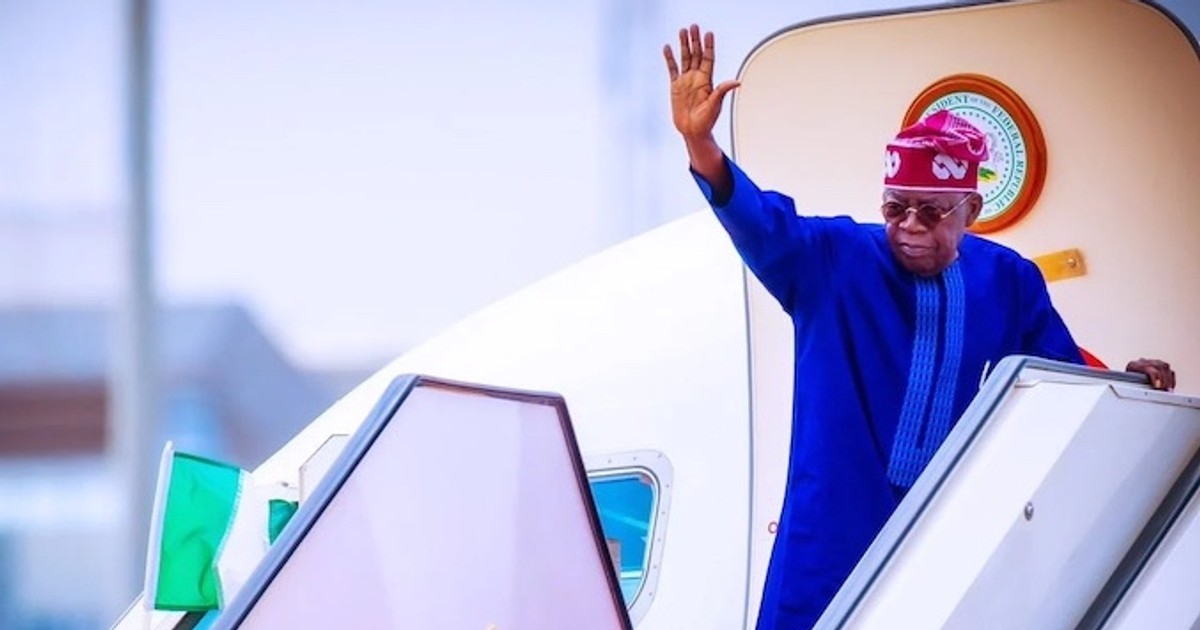
Tinubu’s handling of the coups in West Africa has exposed something many Nigerians already feared: when Western governments raise an eyebrow, he moves instantly, but when Nigerians beg for help, the response is slow, shallow, or completely absent. From almost dragging Nigeria into a war with Niger to quickly deploying fighter jets during the Benin coup attempt, Tinubu’s instincts look like those of a president taking signals from abroad instead of listening to the cries coming from his own streets.
The Niger episode said everything. Tinubu pushed ECOWAS toward a military intervention that most Nigerians absolutely rejected. From northern elders to southern civil society groups, people warned that a war with Niger would be catastrophic. The Nigerian Senate openly opposed it. At the same time, the economy was already collapsing under unbearable hardship. However, Tinubu continued to push, echoing the exact fears Western governments had about losing influence in the Sahel. It took a national outcry to stop him.
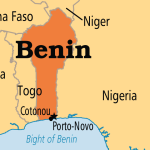
And now, with the attempted coup in Benin, it is repeating the same pattern. Before Nigerians had even gathered the details of what was happening, Tinubu had taken action. Fighter jets were mobilised. High-level coordination began. And France, struggling to maintain relevance in a region that is shaking off its old influence, was at the centre of his calculations once again.
What stings for many Nigerians is how different this urgency looks compared to the situation at home. When communities in Plateau are being slaughtered, the military barely shows up. When entire villages in Kaduna or Zamfara are kidnapped, Nigerians wait for days, sometimes forever. When terrorists overrun farms and highways, there is no fighter jet rushing to protect them. Nigeria’s military has a long history of delayed, confused, or negligent responses to domestic violence, yet Tinubu unleashes rapid mobilisation the moment a Western government is threatened.
It is this contrast that fuels anger. Nigerians are living through some of the worst insecurity in modern history, but their president seems more energised by instability across the border than by the bloodshed at home. Tinubu responds to Western expectations with impressive speed, while Nigerians’ suffering is met with silence, excuses, or the establishment of committees.
Across West Africa, countries are severing old relationships, redefining their sovereignty, and reducing their reliance on foreign military influence. However, Tinubu appears to be moving backwards, toward the same Western powers the region is rejecting. His actions give the impression of a president more focused on winning approval from Paris and Washington than on protecting his own people or pursuing a genuinely African-centred foreign policy.
Nigeria is supposed to be a leader in Africa, not a regional police officer for foreign interests. However, Tinubu’s choices, from Niger to Benin, are making it increasingly difficult to believe that he is governing with Nigeria’s priorities at heart. For many West Africans watching these events unfold, the message is becoming clearer: Tinubu is a Western puppet
About The Author

Related Articles
MultiChoice Pumps GH¢200 Million Into Ghana’s Creative Industry
MultiChoice Ghana has invested more than GH¢200 million into the country’s creative...
FIFA Confirms DR Congo Playoff Spot, Ending Nigeria’s World Cup Dream
Nigeria’s hopes of qualifying for the 2026 FIFA World Cup have come...

Ghanaians to Travel to St Kitts and Nevis Without Visa
Ghanaian citizens will soon be able to travel to the Caribbean nation...
Ghana Records Sharp Drop in Inflation, Lowest Since 2021
Ghana’s inflation rate dropped to 3.3 percent in February 2026, marking the...
Leave a comment