






Surrogacy in Ghana Marketed at Berlin Fertility Fair Raises Ethical Concerns
 West Africa WeeklyMarch 18, 20262 Mins read15
A growing controversy is emerging around the global surrogacy industry after a Ghana-based program was promoted at a major fertility fair in Berlin, highlighting the expanding role of Africa in what many describe as “reproductive tourism.”
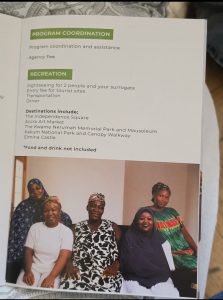
At the centre of the debate is the Wish for a Baby exhibition, where international fertility agencies showcased surrogacy packages to prospective parents. Among them was a Ghana-based agency offering full-service surrogacy programs, including embryo transfers, surrogate matching and accommodation.
Promotional materials presented at the fair described packages that include multiple embryo transfer attempts, access to surrogate mothers and structured arrangements for pregnancy and delivery. While agencies frame these services as safe and supportive, critics say the structure reflects a highly commercialized system built around efficiency and scale.
Ghana has become an emerging destination for surrogacy due to its relatively lower costs and permissive legal environment compared to many Western countries. Programs can cost between $30,000 and $58,000, significantly cheaper than in Europe or North America, attracting international clients seeking more affordable options.
The country’s legal framework allows surrogacy under certain conditions, including pre-birth parental orders that grant rights to intended parents. However, experts warn that regulation remains weak and enforcement inconsistent, creating gaps that may expose surrogate mothers to exploitation.
Research into Ghana’s surrogacy industry suggests that many surrogate mothers live in supervised housing during pregnancy, separated from their families, with limited autonomy over their daily lives. These arrangements, often managed by agencies or intermediaries, are designed to monitor health and behaviour but have raised concerns about control and working conditions.

At the same time, demand continues to rise globally. Surrogacy has become a key part of fertility treatment options, especially for individuals and couples who cannot conceive, fueling cross-border arrangements commonly referred to as fertility or procreative tourism.
Supporters of the industry maintain that surrogacy provides income opportunities for women and a pathway to parenthood for those who need it. Agencies involved in the Berlin fair emphasized ethical practices, medical oversight and legal safeguards in their programs.
However, the visibility of such offers at international exhibitions has intensified scrutiny. Many women say the marketing language—highlighting efficiency, flexibility and multiple attempts—reflects an industry increasingly driven by demand, where the line between healthcare and commodification is becoming blurred.
As global demand for surrogacy grows, Ghana’s role in the industry is likely to expand. But the debate triggered in Berlin underscores a larger question: whether current systems adequately protect the women at the centre of the process, or primarily serve the interests of those who can afford to access it.
About The Author



Related Articles

Senegal Rejects CAF Verdict, Moves to Appeal AFCON Title Decision
A major controversy has erupted in African football after the Confederation of...

Mali Distributes Over CFA 18 Billion Mining Fund to Local Communities
The transitional president of Mali, Assimi Goïta, has handed over more than...

Bandits at the Akure Airport Confirm What Nigerians Already Know About Tinubu’s Government and Its Failures
Terrorism has so deeply infected Nigeria that nowhere is safe anymore. Not...


FIFA Sanctions Nigeria and DR Congo Over World Cup Qualifiers
FIFA has imposed sanctions on both Nigeria national football team and DR...
Leave a comment