





Senegal Coach Defends AFCON Walk-Off as CAF Considers Sanctions
 West Africa WeeklyJanuary 23, 20262 Mins read360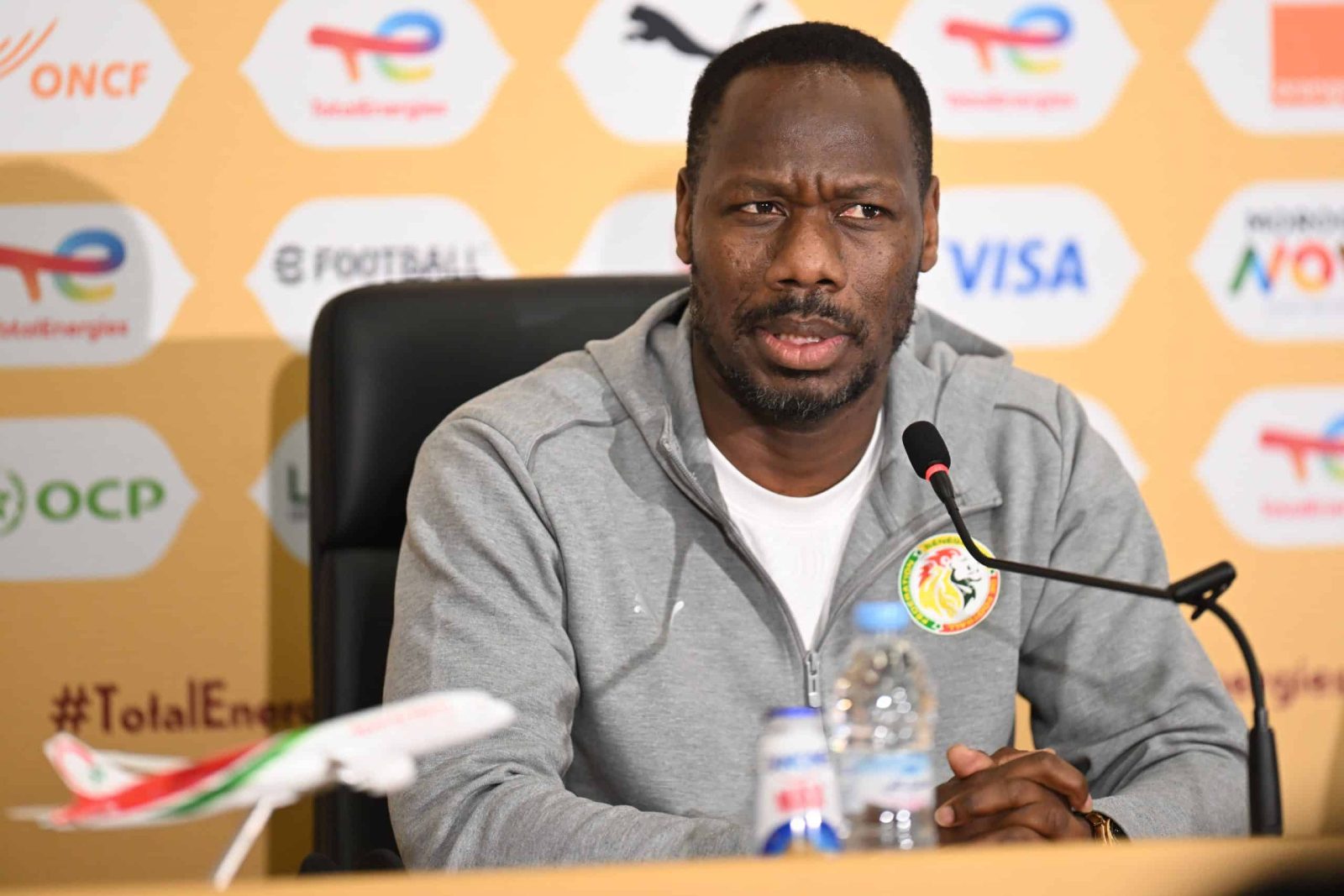
Senegal’s head coach, Pape Bouna Thiaw, has publicly defended the controversial decision to lead his team off the pitch during the closing moments of the Africa Cup of Nations final against Morocco, saying it was an emotional reaction to perceived injustice and not meant to undermine the principles of the game.
In a statement posted on social media, Thiaw described the drama of the final as emotionally overwhelming for his squad. The decision to temporarily leave the field in stoppage time came moments after the referee disallowed a late potential Senegal goal, and a penalty was awarded to the hosts following a Video Assistant Referee review. Though the match resumed, Thiaw said the walk-off was driven by frustration at what his team saw as bias in that defining moment.
We experienced an exceptional tournament with magnificent organisation, which unfortunately ended dramatically,
Thiaw wrote. He said he did not intend to violate the rules of football and apologised to fans and players who may have been offended by the walk-off. Thiaw emphasised that emotion is an integral part of sport and that his actions were a response to the match’s intensity and significance.
The Confederation of African Football is reviewing the incident, and disciplinary action may be taken. Under tournament rules, walking off the pitch can result in sanctions ranging from fines to suspensions or even disqualification, though Senegal was permitted to return and complete the match. FIFA and CAF have both condemned misconduct during the final, including comments from FIFA President Gianni Infantino, who said that violence and walk-offs have no place in football and stressed the importance of respecting officials’ decisions.
Supporters and commentators have expressed divided views about the walk-off. Some analysts argue that teams must respect the referee and play through adversity, while others see the reaction as understandable given the stakes and perceived officiating errors. A section of football commentators has said the walk-off, even if rooted in passion, sets a concerning precedent for how future disputes might be handled if not firmly addressed by governing bodies.
Thiaw’s defenders note that Senegal’s captain and star player, Sadio Mané, played a crucial role in calming the situation and urging his teammates to return to the pitch, emphasising unity and focus at a critical moment. This intervention allowed Senegal to continue, and in extra time, midfielder Pape Gueye scored the only goal to secure the title.
The final itself will be remembered for both the quality of play and the controversy it stirred. Fans around the world saw a dramatic match end in extra time after intense competition. Still, the walk-off has turned what should have been a celebration of African football into a larger discussion about discipline, respect for the game, and how officials manage pressure in the continent’s premier tournament.
While Senegal lifts its second Africa Cup of Nations title in recent years, the legacy of the walk-off may yet shape how players, coaches and officials approach high-stakes moments in future competitions. The coming days will likely reveal whether official sanctions are imposed and how CAF chooses to interpret the rules in similar cases.
About The Author



Related Articles
Niger Government Sanctions Mining Firms, Refuses Oil Permit Renewal
The government of Niger has taken firm action against several mining and...
Burkina Faso Army Recaptures Towns Held by Militants for Seven Years
The armed forces of Burkina Faso say they have regained control of...

Ghana Seeks Stronger Trade and Investment Relations With Nigeria
Ghana is pushing for deeper trade and investment cooperation with Nigeria as...

Peter Obi Donates ₦60 Million to Support Nigerian Universities
Former Anambra State governor and presidential candidate Peter Obi has donated ₦60...
Leave a comment