




Rubber-Stamp Senate Approves Tinubu’s Troop Deployment to Benin at France’s Order Despite Insecurity In Nigeria
 West Africa WeeklyDecember 9, 20252 Mins read547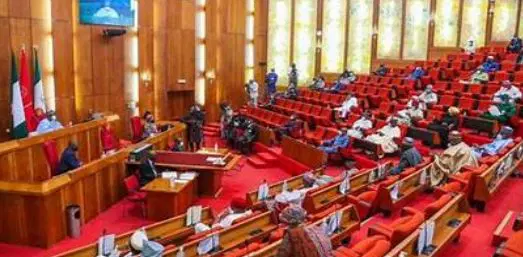
Nigeria’s Senate has approved President Bola Ahmed Tinubu’s request to deploy troops to the Benin Republic following the attempted coup that shook the neighbouring country over the weekend. The approval came just now after Tinubu briefed lawmakers on Benin’s formal call for assistance and the urgency of preventing the mutiny from escalating.
According to reports, the approval gives Tinubu the constitutional backing to maintain Nigerian military presence in Benin, where loyalist forces are still working to secure strategic locations seized by renegade soldiers. The Beninese government had earlier requested Nigeria’s intervention through a diplomatic note, citing the rebels’ occupation of state TV and parts of a military base.
The Senate’s decision, however, immediately triggered a wave of reactions across Nigeria. Many citizens expressed worry that the government was acting with unusual speed in foreign military operations while Nigeria continues to grapple with deep, unresolved internal security crises. From the north to the south, communities are still dealing with banditry, kidnappings, communal conflicts, economic tension, and overstretched security agencies. For critics, the contrast is glaring: Nigeria is mobilising quickly in response to external crises but continues to struggle with problems within its own borders.
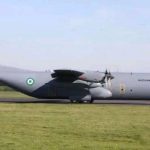
The approval also comes at a moment of rising diplomatic tension between Nigeria and the Confederation of Sahel States, after Burkina Faso confirmed that a Nigerian Air Force C-130 was forced to land in Bobo-Dioulasso for entering AES airspace without authorisation. The aircraft, which carried eleven Nigerian military personnel, remains grounded as Burkinabe authorities investigate the incident. The AES has condemned the unauthorised entry as a breach of its sovereignty and placed its air and anti-aircraft defence systems on maximum alert, warning that any further violations will be met with force.
Abuja insists the plane diverted due to technical difficulties while en route to Portugal. Still, many observers have questioned that explanation, especially since the flight path does not naturally pass through southwestern Burkina Faso. The standoff, which comes just days after Nigeria conducted air operations in Benin during the attempted coup, has intensified suspicion across West Africa and fuelled concerns that Nigeria is becoming entangled in overlapping regional crises at a moment when geopolitical alliances in the Sahel are rapidly shifting.
READ MORE: Burkina Faso Captures Nigerian Aircraft, Alleges Territorial Violation
Nigerian citizens online are also questioning the international dimension of the move, with many asking whether Nigeria is acting independently or responding to pressure from Western partners who want stability in the coastal West African corridor at all costs. Although no evidence has surfaced of direct foreign control, the pattern raises suspicion: swift deployments abroad, slow responses at home, and Nigeria’s apparent role as a “regional enforcer” at moments that conveniently align with Western strategic interests.
Supporters of the deployment argue that Nigeria, as ECOWAS chair and the region’s most significant military power, cannot afford instability along its borders. A successful coup in Benin could trigger wider unrest in an area already struggling with multiple transitions, juntas, and insurgencies. They also insist that the intervention was requested by Benin and therefore lawful.
But for many Nigerians, the larger issue is leadership priorities. With internal insecurity at one of its most alarming levels in years, the government’s intense focus on stabilising neighbouring countries, while ordinary Nigerians face worsening safety challenges, is being interpreted as a troubling misalignment of national priorities.
For now, the deployment to Benin continues under Senate approval, but the domestic debate is only beginning. Nigerians are watching closely, questioning the timing, the urgency, and the growing pattern of foreign military engagements at a moment when the home front remains dangerously fragile.
About The Author


Related Articles
MultiChoice Pumps GH¢200 Million Into Ghana’s Creative Industry
MultiChoice Ghana has invested more than GH¢200 million into the country’s creative...
FIFA Confirms DR Congo Playoff Spot, Ending Nigeria’s World Cup Dream
Nigeria’s hopes of qualifying for the 2026 FIFA World Cup have come...

Ghanaians to Travel to St Kitts and Nevis Without Visa
Ghanaian citizens will soon be able to travel to the Caribbean nation...
Ghana Records Sharp Drop in Inflation, Lowest Since 2021
Ghana’s inflation rate dropped to 3.3 percent in February 2026, marking the...
Leave a comment