






Nigerian Banks to Report Accounts With Over ₦5 Million in Monthly Transactions to FIRS From 2026 Under Tinubu’s Tax Reform
 Confidence UbaniJuly 9, 20251 Mins read4.4k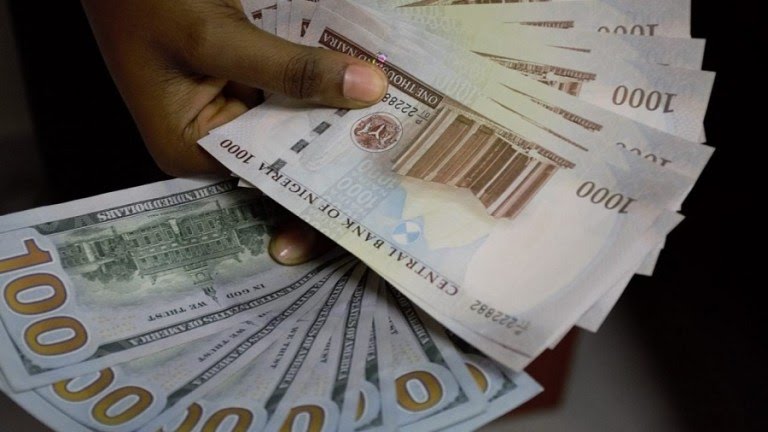
From January 2026, banks in Nigeria will be required to report all customer accounts with monthly transactions exceeding ₦5 million to the Federal Inland Revenue Service. This new directive is contained in Section 30 of the 2025 Tax Reform Act, which was recently signed into law.
According to the National Orientation Agency, which announced the update on its official X handle, the move is aimed at improving tax compliance and reducing financial irregularities.
Under the new law, banks are required to monitor accounts and submit monthly reports on those with high transaction volumes. The Central Bank of Nigeria and the FIRS are expected to issue further guidelines on how this reporting process will work, including the format, procedures, and penalties for non-compliance.
Analysts say the measure could significantly enhance the government’s ability to track untaxed income, particularly among informal and high-net-worth individuals. However, concerns have been raised about possible misuse. Without strong data protection laws, sensitive financial information could be leaked, sold, or misused. There are also concerns that the system may be exploited to target critics, activists, or political opponents.
It is also important to consider that not all large transactions are profit or taxable income. Donations, fundraising campaigns, pooled money from groups, or transfers between accounts owned by the same person or business could be misinterpreted as income, leading to false tax reporting.
In addition to this reporting requirement, the Act introduces several other changes. Individuals earning ₦800,000 or less annually, which is about ₦66,667 per month, are now exempted from personal income tax. The previous threshold was ₦500,000 per year.
From 2026, the way value-added tax is shared will also change. The federal government’s share will drop from 15 per cent to 10 per cent, while state governments will now receive 55 per cent, up from 50 per cent. The remaining 35 per cent allocated to local governments remains unchanged. The portion for states will be distributed based on three factors: equal sharing, population, and consumption levels.
Despite the government’s optimism about the new tax reforms, taxing a struggling economy may yield little, as shrinking businesses, thinning profit margins, and falling investor confidence leave even less revenue to collect.
Read More:
- IMF Pushes Ghana to Withdraw Forex Support, Overlooking the Real Impact on Citizens
- Nigerians Demand Transparency Over Withheld Signed Tax Laws Under Tinubu Following ₦5 Million Bank Reporting Rule
About The Author



Related Articles
Gambian Businesses Struggle Under Prolonged Blackouts as Anger Mounts Ahead of December Election
Gambian businesses are collapsing under the weight of prolonged power cuts that...

Chelle Names Osimhen, Lookman, Ndidi in 24-Man Super Eagles Squad for 2027 AFCON Qualifiers
Super Eagles head coach Éric Chelle has unveiled a 24-man squad for...

Ghana Cuts Fuel Exports to Burkina Faso and Mali to Protect Its Own Supply
Ghana’s state-owned fuel distributor BOST Energies has reduced diesel and gasoline exports...


ASUU Strike Threatens to Shut Down Federal Universities as Nigerians Accuse Media of Ignoring the Crisis
The Academic Staff Union of Universities is on the verge of a...
Leave a comment