




Niger Revokes Licences of Drivers Who Refused to Deliver Fuel to Mali Amid Jihadist Attacks
 West Africa WeeklyJanuary 15, 20262 Mins read396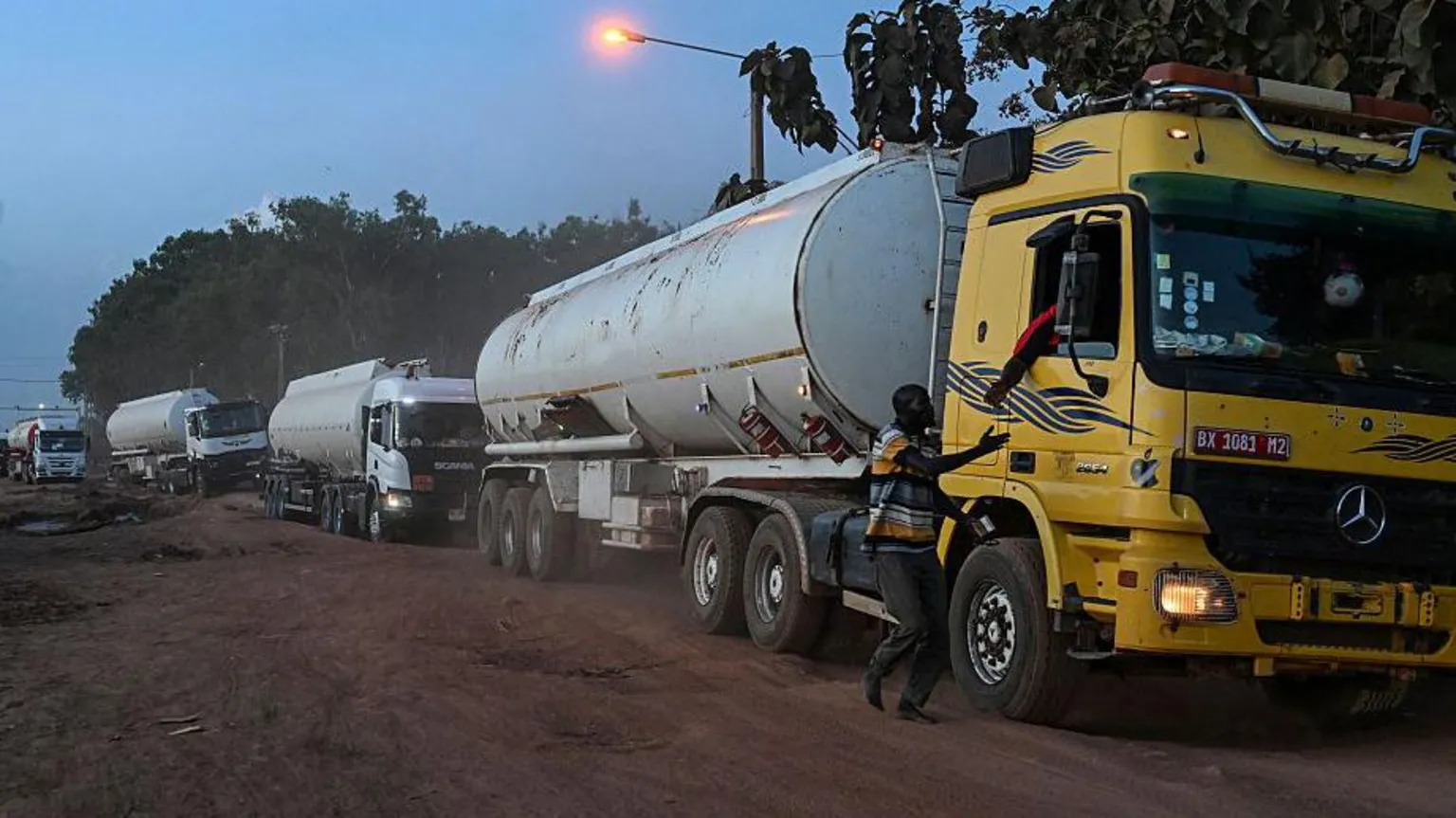
Niger has revoked the licences of dozens of transport operators and drivers after they refused to deliver fuel to neighbouring Mali, citing fears of attacks by jihadist fighters. The move highlights how Islamist militants have brought vital supply routes to a standstill, deepening an already severe energy crisis in the landlocked country.
Since September, an al-Qaeda affiliate known as Jama’at Nusrat al-Islam wal-Muslimin (JNIM) has imposed a fuel blockade on Mali’s northern desert region, targeting petrol tankers on major highways. The group’s attacks have included the burning of lorries and kidnapping of drivers, forcing many transporters to stop making the 1,400-kilometre journey from Niger.
Mali, which depends heavily on fuel imports, had signed a deal with Niger in July to receive 85 million litres of fuel over six months for its vast northern territories, where multiple militant groups operate. In November, Niger managed to deliver 82 fuel tankers, helping to stabilise energy supplies that had been devastated by the blockade. Alternative convoys from Senegal and the Ivory Coast have also been targeted by militants, underscoring the pervasive security threats along these routes.
Plans for further shipments were thrown into disarray when drivers and transport companies began refusing to make the perilous trip. In response, Niger’s transport ministry announced on 6 January that it had revoked the licences of 14 firms and 19 individual drivers for failing to uphold their legal obligations. Another operator received a one-year suspension, and those sanctioned were ordered to surrender their transport documents.
The fuel shortages in Mali have had widespread consequences. Last year, schools and universities across the country were temporarily closed due to the scarcity, disrupting education for thousands of children. The crisis has also drawn international concern, with the United States warning its citizens against travel there and France urging its nationals to leave.
Mali’s military government, led by General Assimi Goïta, has struggled to contain the spiralling insecurity. Goïta, who first seized power in a 2020 coup, initially enjoyed popular support for promising to address long-standing unrest in the north. That conflict began with a separatist rebellion by ethnic Tuaregs and was later overtaken by Islamist militants.
Over the years, foreign forces including a United Nations peacekeeping mission and French troops were deployed to counter the insurgency, but both have since withdrawn following the coup. The government has turned to Russian mercenaries in a bid to reclaim territory, yet large swathes of Mali remain beyond central control.
As jihadist groups extend their campaign into economic warfare, vital fuel supplies are caught in the crossfire, leaving governments and civilians alike to grapple with the fallout.
About The Author


Related Articles
Jehovah’s Witnesses Change 75-Year Blood Transfusion Rule, Exposing Man-Made Doctrine
On March 20, 2026, the Governing Body of Jehovah’s Witnesses announced a...
Tinubu sells Nigeria again to the West as he agrees to take back UK criminals and failed asylum seekers while borrowing to build UK industry
President Bola Tinubu just returned from a state visit to the United...
US Moves to Strip Nigerian of Citizenship Over $91 Million Tax Fraud Scheme
The United States Department of Justice has filed a civil complaint seeking...

Senegal Rejects CAF Verdict, Moves to Appeal AFCON Title Decision
A major controversy has erupted in African football after the Confederation of...
Leave a comment