






Manufacturers record N1.8 trillion in unsold goods
 West Africa WeeklyFebruary 9, 20261 Mins read354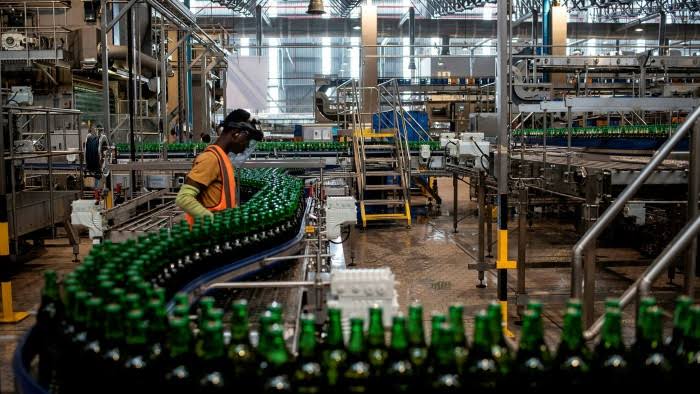
Nigeria’s manufacturing sector is facing a deepening crisis as the value of unsold goods in factories rises to about N1.8 trillion. The growing stockpile reflects a sharp drop in consumer demand and highlights the broader economic pressures facing the country.
Manufacturers say many Nigerians can no longer afford everyday products due to rising inflation, high transport costs, and declining purchasing power. As a result, goods that would normally move quickly through the market are now sitting in warehouses.
The situation has created a chain reaction across the sector. Companies are struggling to maintain production levels, while some have been forced to slow down operations or reduce their workforce.
Industry leaders blame a mix of high energy costs, unstable exchange rates, and expensive loans. Interest rates have climbed sharply, making it harder for companies to access credit for expansion or even routine operations.
The food, beverage, and textile sectors are among the worst affected. These industries rely heavily on mass consumption, and the drop in spending has left them with large inventories of unsold goods.
READ MORE: Germany, England, Nigeria Set for Beach Soccer Event in Ghana
Economists say the figures reflect the real impact of the economic crisis on ordinary Nigerians. As incomes fail to keep pace with rising prices, households are cutting back on purchases. That reduction in spending is now being felt across factories and supply chains.
Manufacturers warn that if the situation continues, it could lead to more factory closures and job losses. Some companies have already reported heavy losses as they struggle to clear inventory and cope with high operating costs.
The development has renewed calls for policies that can ease the cost of doing business. Industry groups are urging the government to address power supply challenges, reduce import costs for raw materials, and stabilize the currency.
For now, the growing pile of unsold goods stands as a clear signal of the country’s economic strain. It reflects not just the struggles of manufacturers, but also the hardship faced by millions of consumers across the country.
About The Author



Related Articles

Mali Prepares 10‑Point Response Plan as Middle East Tensions Threaten Maritime Supply Routes
Mali’s transitional president, Assimi Goïta, chaired an ordinary session of the Council...

Burkina Faso Takes on Economic Domination with 10‑Day Campaign for Local Consumption
Burkina Faso has kicked off its National Days of Patriotic Engagement and...
Guinea and Emirates Global Aluminium Near Deal to End Bauxite Dispute After Asset Seizure
Guinea has reached the brink of an agreement with Emirates Global Aluminium,...


Grow Your Own Tomatoes, Ghana Government Tells Citizens as Burkina Faso Ban Worsens Shortage
The Ghanaian government has asked citizens to start growing tomatoes in their...
Leave a comment