



Mali’s Leader Takes Defence Role After Minister’s Killing
 West Africa WeeklyMay 5, 20261 Mins read682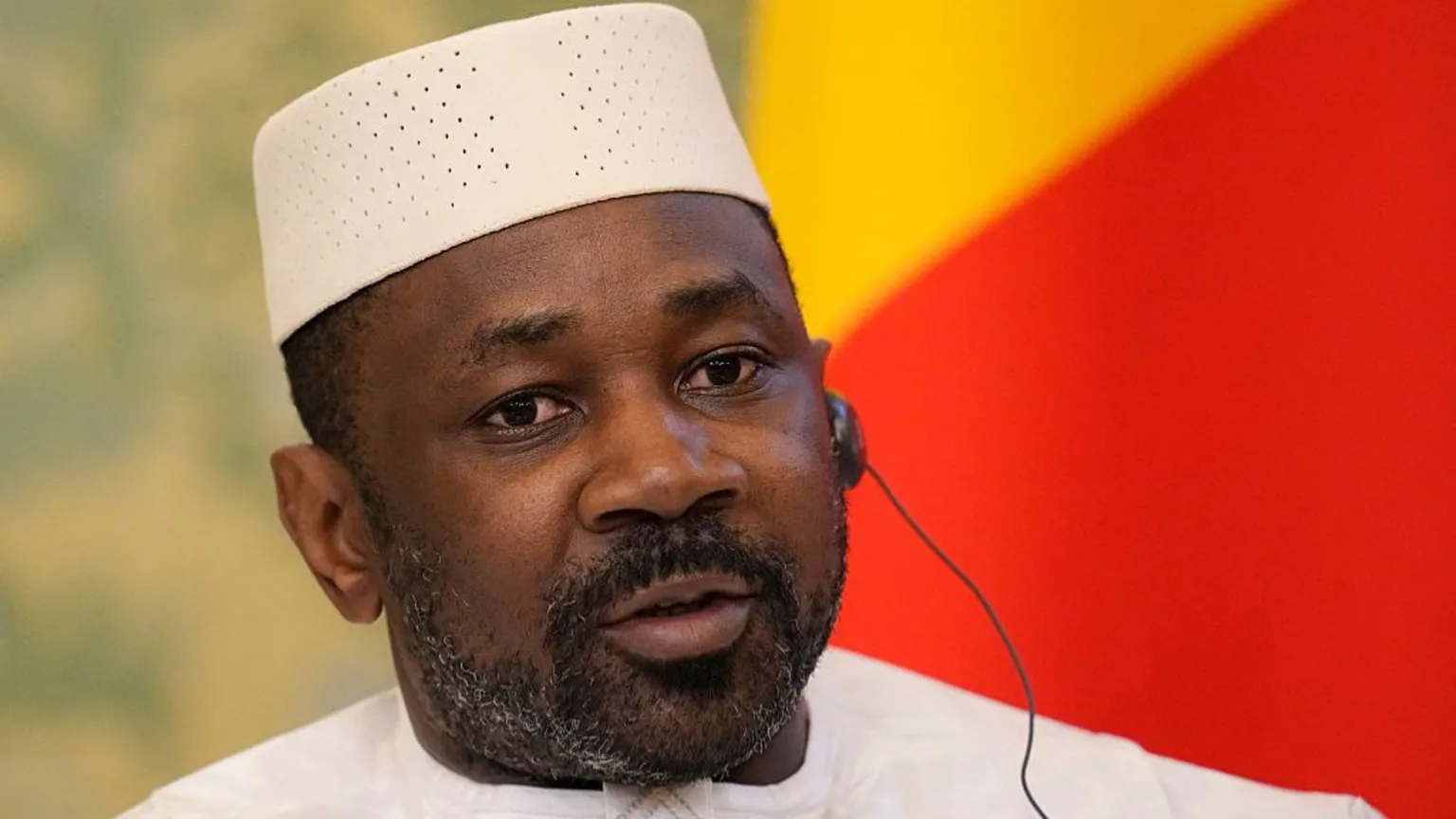
Mali’s military leader, General Assimi Goïta, has appointed himself as the country’s defence minister following the death of the previous officer who held the post. The officer was killed during a wave of surprise attacks that have plunged the West African nation deeper into a security crisis.
The move was announced in a decree read on state television. General Goïta will be assisted by the army chief of staff, General Oumar Diarra, who has been named as a minister delegate. The decision for Goïta to lead both the presidency and the defence ministry is seen as an attempt to strengthen his control at a time when his authority appears threatened.
The crisis began on 25 April when residents across Mali awoke to gunfire and explosions. An alliance of two groups, the separatist Azawad Liberation Front (FLA) and the al-Qaeda linked JNIM, launched coordinated nationwide raids. The offensive led to the withdrawal of Malian and allied Russian forces from the northern city of Kidal, raising new doubts about the strength of Goïta’s government, which first seized power in a coup in August 2020.
The defence minister killed in the initial offensive, Sadio Camara, died in an apparent suicide truck bombing at his residence near the capital, Bamako. In the days since, the authorities said they arrested a group of soldiers allegedly linked to the attacks. A military court prosecutor also announced that an investigation had found former and serving military personnel were complicit in planning and executing the raids.
In response, Mali’s government has partnered with the armed forces of neighbouring Niger and Burkina Faso to carry out joint air strikes against the insurgents. The three nations, all under military rule, have formed the Alliance of Sahel States and have expelled troops from France, the former colonial power, instead bringing in Russian forces. Despite this, the attacks have continued, and large areas of all three countries remain outside government control.
About The Author


Related Articles
Senegal’s Power Cuts Force Government to Push Gas as the Long-Term Fix
Senegal’s energy minister says the power cuts that hit the country hard...
Ethiopia and Eritrea Cut Diplomatic Ties as Tigray Conflict Escalates
Ethiopia and Eritrea have severed diplomatic relations as renewed fighting in northern...

Tinubu Cannot Even Speak for Himself, Nigerians Say After Edited Broadcast Exposed
Nigerians on social media have accused the Presidency of manipulating President Bola...
Tinubu’s Cancer Analogy Backfires as Nigerians Remind Him He Was in Power Since 2015
President Bola Tinubu’s attempt to paint himself as the leader who inherited...
Leave a comment