



Mali Regains Control of SOTELMA in $277 Million Deal, Reversing 17-Year-Old Privatisation
 West Africa WeeklyJune 26, 20262 Mins read651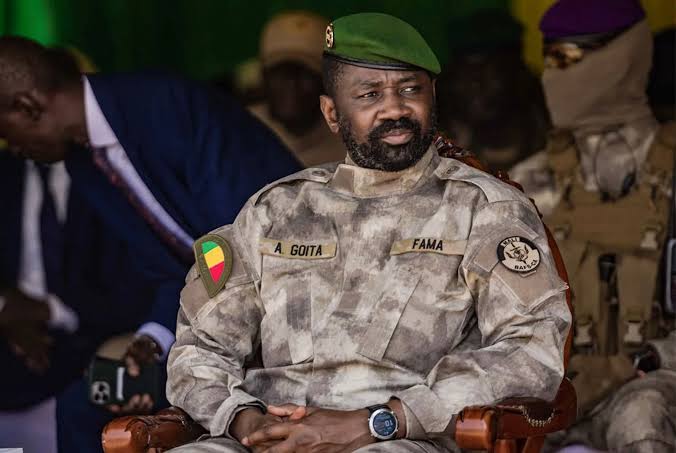
Mali has regained majority ownership of its national telecommunications company SOTELMA, reversing a privatisation deal that had kept the strategic asset under foreign control for 17 years.
The development follows the implementation of a 160 billion FCFA ($277 million) agreement that renewed SOTELMA’s operating license while reshaping the company’s ownership structure in favour of the Malian state. The deal, formally acknowledged by Morocco’s Maroc Telecom, gives Bamako a 56 percent stake in SOTELMA, up from 49 percent, restoring majority control over one of the country’s most strategic assets.
The story dates back to 2009, when Mali sold a 51 percent stake in SOTELMA to Maroc Telecom for approximately €275 million. The transaction handed operational control of the company to the Moroccan operator, which was then expanding aggressively across Africa. At the time, the sale was viewed as a milestone in Mali’s economic reform agenda, with expectations that foreign investment and expertise would help improve telecommunications infrastructure and expand mobile services.
Over the following years, SOTELMA, operating under the Malitel brand, became one of Mali’s largest telecom operators. The company had 8.5 million subscribers in the first half of 2024, accounting for a 37 percent market share. As of September 2023, Mali’s mobile market had around 23 million subscribers, reflecting a penetration rate of 106 percent.
The shift began under Mali’s transition government, which has increasingly emphasised the need for greater national control over strategic sectors. As authorities pursued reforms in mining, energy and other industries, telecommunications emerged as another area where the state sought a stronger position. The opportunity came during negotiations over the renewal of SOTELMA’s operating license. Rather than simply extending the license under existing terms, discussions between Mali and Maroc Telecom evolved into a broader restructuring agreement.
Under the agreement, the Malian state increased its shareholding to 56 percent, becoming the majority shareholder for the first time since privatisation. The arrangement effectively returned control of the company to the state while allowing Maroc Telecom to remain an important shareholder and partner. Recent confirmation from Maroc Telecom has solidified the new ownership structure, signaling the completion of a process that has been years in the making.
For Mali’s military-led authorities, the transaction represents far more than a corporate restructuring. It is being presented as a major victory in the government’s broader push to strengthen economic sovereignty and regain influence over sectors considered critical to national development. Beyond providing mobile and internet services, telecom networks underpin digital payments, e-government services, cybersecurity, business operations and national communications infrastructure. For Bamako, majority ownership offers greater influence over investment decisions, network expansion and the future direction of one of the country’s most important companies.
The SOTELMA deal comes amid a broader shift across the Alliance of Sahel States, where governments in Mali, Burkina Faso and Niger have sought to increase state influence over sectors ranging from mining and energy to infrastructure. Mali has introduced a mining code requiring up to 35 percent state ownership and nationalised key operations. The country has also started building a gold refinery in partnership with a Russian conglomerate, with military leader General Assimi Goïta hailing the project as an assertion of economic sovereignty.
Supporters view these efforts as a necessary correction to decades of economic arrangements that left key assets under foreign control.
About The Author


Related Articles
Niger Introduces Prior Declaration for Large Cash Transports in Anti-Terrorism Push
Niger’s government has announced new rules requiring a prior declaration for the...
Umahi Turns Rehabilitated Niger Bridge Into Tinubu Campaign Billboard, Campaigns for APC Votes as Commuters Count Losses
The First Niger Bridge is set to reopen next week after a...
World Bank Pledges $25m for Nigeria’s $300m Off-Grid Power Fund, Leaving $275m Unaccounted For
The World Bank has committed an initial $25 million to Nigeria’s newly...


From Yemen’s Khat Fields to Nigeria’s Gold Mines, Dehumanisation Fuels a Shared Drug Crisis
A social media post about Yemen’s khat addiction has sparked a conversation...
Leave a comment