





IMF Flags Bondholder Concerns as Senegal Faces Deepening Debt Troubles
 West Africa WeeklyDecember 11, 20252 Mins read506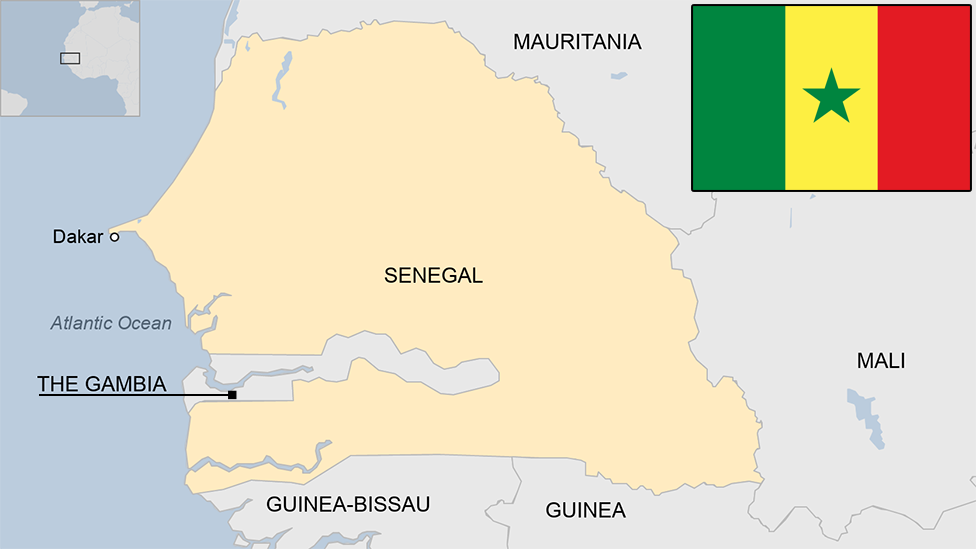
The International Monetary Fund has acknowledged rising worries among global investors about Senegal’s debt situation as discussions over a new support package continue. The IMF’s tone reflects a shift in how seriously the country’s finances are now being viewed internationally. Bondholders, already uneasy about Senegal’s rising obligations, have become more vocal as the numbers grow harder to ignore.
The concern follows a period of intense scrutiny after an audit by Senegal’s Court of Auditors revealed large amounts of previously undisclosed public liabilities. The discovery pushed the country’s debt levels far higher than earlier estimates and raised questions about how the government had managed its finances in recent years. The revelation also triggered the pause of an IMF lending programme worth more than one billion dollars, putting more pressure on Dakar to come up with a credible and transparent fiscal plan.
These issues have spilt into the financial markets. Senegal’s commercial loans are now trading at steep discounts, a clear signal that lenders fear the government may struggle to repay them in full. International bonds have also weakened, with prices sliding deeper into distressed territory. Rating agencies have downgraded Senegal’s credit rating several times in recent months, citing rising debt risks, weaker investor confidence, and the slow pace of negotiations with the IMF.
Despite these warning signs, the government has remained firm in its stance against any form of debt restructuring. Senior officials, including the Prime Minister, have repeatedly stated that Senegal intends to meet its repayment obligations. They argue that restructuring would send the wrong message to both citizens and investors and could damage the country’s reputation across Africa and beyond. This political position has complicated discussions with the IMF, which is focused on ensuring that a realistic and sustainable debt plan supports any new funding.
The gap between these two positions has slowed progress. IMF teams have continued to meet with Senegalese officials, but there is still no agreement on a new programme. For investors, the delay only intensifies concerns that Dakar may eventually be forced to consider restructuring if it cannot secure enough financing to meet its short-term obligations. For the government, the challenge is finding a balance between protecting national pride and addressing the increasingly visible financial strain.
Senegal now finds itself in a delicate moment. The country needs new funding to stabilise its finances and restore confidence, but it must also rebuild trust after the audit report exposed weaknesses in public financial management. As negotiations continue, both the IMF and international investors will be closely watching to see whether Dakar can chart a path that reassures markets while avoiding the potential political fallout that could result from accepting more challenging conditions.
The coming weeks will be important. A breakthrough in talks could calm investors and ease the pressure on Senegal’s bonds. Continued delays could deepen uncertainty, further shake confidence, and push borrowing costs even higher. For now, Senegal is attempting to project stability, but questions about its debt remain unresolved, and the world is watching closely.
About The Author


Related Articles
Niger Government Sanctions Mining Firms, Refuses Oil Permit Renewal
The government of Niger has taken firm action against several mining and...
Burkina Faso Army Recaptures Towns Held by Militants for Seven Years
The armed forces of Burkina Faso say they have regained control of...

Ghana Seeks Stronger Trade and Investment Relations With Nigeria
Ghana is pushing for deeper trade and investment cooperation with Nigeria as...

Peter Obi Donates ₦60 Million to Support Nigerian Universities
Former Anambra State governor and presidential candidate Peter Obi has donated ₦60...
Leave a comment