





Ifunanya’s Death and the Price Nigerians Pay for a Broken Health Sector
 West Africa WeeklyFebruary 2, 20262 Mins read454
The sudden death of fast-rising Nigerian singer Ifunanya following a snakebite in Abuja has reopened painful questions about Nigeria’s health system, particularly its ability to provide life-saving treatments and essential medicines. Her passing has triggered anguish and anger online and offline, with many Nigerians saying her death highlights deep gaps in emergency care and the chronic underfunding of the nation’s health sector.
Snakebite remains a serious but often neglected health challenge across Nigeria, especially in rural areas where inhabitants frequently encounter venomous snakes during farming, herding or even inside their homes. Treating snakebite requires access to anti-venom, a specialised medicine that is costly and often hard to obtain in sufficient quantities. According to medical practitioners, even when anti-venom is available, multiple vials are needed per patient, and prices can make treatment unaffordable for many families. The World Health Organisation emphasises that timely anti-venom access is essential to reducing deaths and disabilities from snakebite, yet such access remains inconsistent in Nigeria.
The broader healthcare funding picture raises further concerns. Nigeria’s federal health allocation in the 2026 budget was around N2.48 trillion, equivalent to roughly four per cent of total government spending, far below international benchmarks and regional commitments that recommend dedicating at least 15 per cent to health. Health professionals have criticised this level of funding, pointing out that it amounts to a small annual per capita amount and does little to strengthen emergency response systems or ensure the widespread availability of essential medicines, including anti-venom. Although the health ministry has expressed intentions to increase spending in the 2026 budget, critics argue that the increases remain too modest to address the scale of Nigeria’s public health challenges.
The budget discussions have been politically charged, with public figures warning against the mismanagement of allocated funds. Past debates over the health budget included comments from national leaders pointing to bizarre narratives of funds being lost to unexplained circumstances, underscoring deep public scepticism about accountability in the health sector. Civil society advocates have also repeatedly called for transparent tracking of health spending and meaningful investments in primary healthcare systems that serve the majority of Nigerians.
For many citizens, the shock of Ifunanya’s death has become a symbol of frustration over what they see as a lack of preparedness and priority for emergency care in Nigeria. Comments across social platforms and community conversations reflect anger not just at a single tragic incident, but at longstanding structural weaknesses in the health system that leave ordinary Nigerians vulnerable when emergencies arise. Her passing is now part of a broader public debate about whether Nigeria’s health investments match the needs of its people and whether political promises translate into real improvements in treatment access and life-saving care.
About The Author


Related Articles
US Moves to Strip Nigerian of Citizenship Over $91 Million Tax Fraud Scheme
The United States Department of Justice has filed a civil complaint seeking...
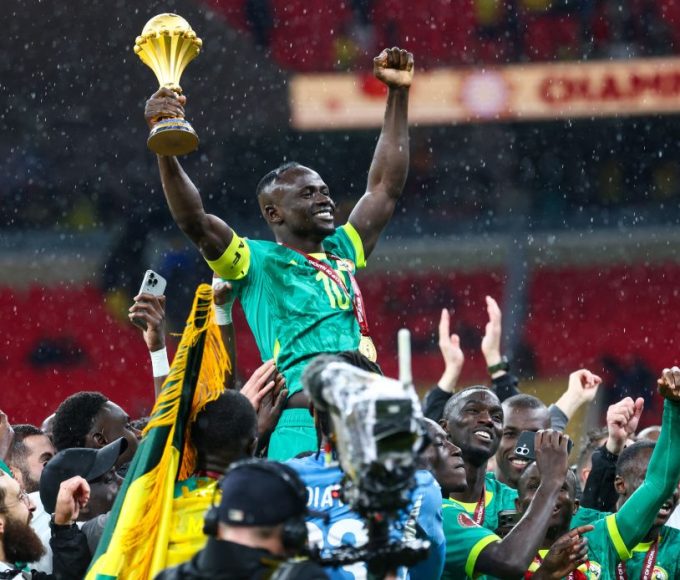
Senegal Rejects CAF Verdict, Moves to Appeal AFCON Title Decision
A major controversy has erupted in African football after the Confederation of...

Surrogacy in Ghana Marketed at Berlin Fertility Fair Raises Ethical Concerns
A growing controversy is emerging around the global surrogacy industry after a...


Mali Distributes Over CFA 18 Billion Mining Fund to Local Communities
The transitional president of Mali, Assimi Goïta, has handed over more than...
Leave a comment