



Ghana Moves to Reclaim Kwame Nkrumah’s Former Residence in Guinea
 West Africa WeeklyJanuary 23, 20262 Mins read328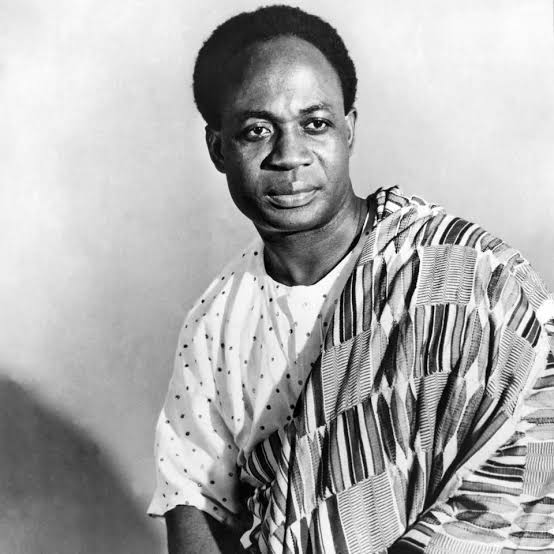
Ghana has embarked on a diplomatic and cultural initiative to reclaim the former residence of its first president, Kwame Nkrumah, in Conakry, Guinea, officials say. The move is part of a broader effort to preserve the legacy of Nkrumah, a leading figure in African independence movements and pan-African thought.
The property, once the home of Nkrumah during his years in exile following the 1966 coup that ousted him from power, holds immense historic significance. Nkrumah’s contribution to the struggle against colonial rule and his vision of African unity make the site a symbolic touchstone for Ghana and the wider continent.
Ghanaian authorities told reporters that negotiations with Guinean counterparts have focused on securing the property, restoring its historical features, and turning it into a heritage site and museum. The plan would allow scholars, citizens and international visitors to engage with Nkrumah’s history in a tangible space expressly dedicated to his memory.
Officials said President Nana Akufo-Addo’s government has placed heritage preservation at the centre of its cultural diplomacy, emphasising that the reclamation project will strengthen ties between Accra and Conakry. The Ghana High Commission in Guinea is expected to coordinate further discussions alongside heritage experts from both countries.
Guinean officials have expressed support for the initiative, underscoring shared historical bonds between the two nations. Guinea was among the earliest African states to welcome Nkrumah in exile, providing sanctuary during a turbulent period in Ghana’s post-independence history. The collaboration reflects that longstanding diplomatic goodwill.
READ MORE: Sinners Breaks Records as Oscar Nominations Set Stage for Fierce 2026 Awards Race
Heritage and cultural analysts say the move also aligns with a growing continental push to preserve historical sites associated with Africa’s liberation leaders. They argue that such spaces are crucial for education, national identity, and the reclamation of narratives that were historically marginalised in international discourse.
The reclamation project is expected to involve conservation specialists, historians, and community stakeholders. Ghana’s Ministry of Tourism, Arts and Culture has been tasked with preparing a blueprint for the site’s restoration and interpretation, ensuring that its historical context is preserved for future generations.
Ghanaians have urged transparency in the funding and management of the project, calling for broad consultation with civil society and heritage groups. They argue that while symbolic importance is high, practical planning must involve sustainable models that ensure the site’s preservation beyond initial restoration.
Cultural observers say the initiative underscores Ghana’s effort to rejuvenate the legacy of key figures in its history, particularly as the country approaches milestones in its post-independence era. Nkrumah’s role in pan-African forums and his influence on independence movements across Africa make the property more than just a physical structure; it is a repository of collective memory.
The government says plans to officially transfer custodianship of the residence will continue in the coming months as diplomatic, legal and conservation details are finalised. When completed, the site is expected to serve as both a museum and a hub for research into Nkrumah’s life, philosophy and the broader African liberation era.
For Ghanaian citizens and historians, the project signals an important affirmation of history, identity and the enduring relevance of Nkrumah’s vision of unity in a changing geopolitical landscape.
About The Author


Related Articles
Niger Government Sanctions Mining Firms, Refuses Oil Permit Renewal
The government of Niger has taken firm action against several mining and...
Burkina Faso Army Recaptures Towns Held by Militants for Seven Years
The armed forces of Burkina Faso say they have regained control of...
Ghana Seeks Stronger Trade and Investment Relations With Nigeria
Ghana is pushing for deeper trade and investment cooperation with Nigeria as...

Peter Obi Donates ₦60 Million to Support Nigerian Universities
Former Anambra State governor and presidential candidate Peter Obi has donated ₦60...
Leave a comment