


General Tiani Approves New Territorial Defense Forces as Niger Mobilizes Citizens
 West Africa WeeklyApril 1, 20261 Mins read9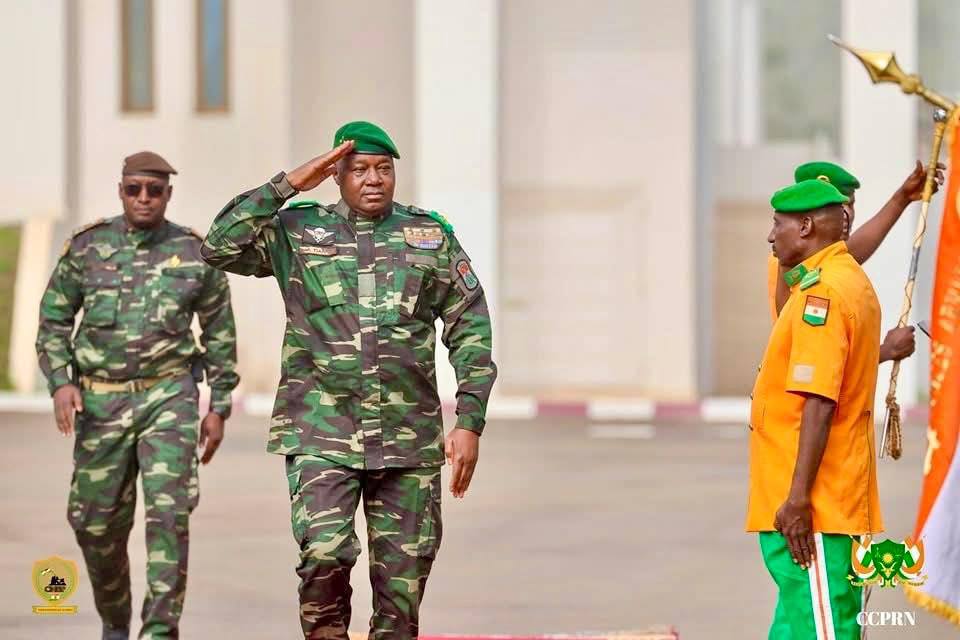
Niger has established new civilian self‑defense units known as Domol Leydi, a move aimed at strengthening national security and involving citizens directly in the protection of their communities. The decision was adopted by the Council of Ministers following instructions from General Abdourahamane Tiani, the country’s transitional president.
The Domol Leydi formations will operate as auxiliary units within the framework of the general mobilization declared in late 2025. They are composed of volunteers, including former members of the defense and security forces as well as local residents who step forward to protect their territories.
The primary missions of these units are to raise awareness among the population, gather intelligence, and ensure the protection of their respective areas. They will fall under the operational authority of the Commission for the Mobilization of the Military Reserve and will receive weapons and equipment provided by the state.
This initiative is designed to organize citizen participation in national defense. Volunteers will benefit from social and financial advantages as provided by the regulations, ensuring that those who take up the call to defend their communities are supported.
The creation of Domol Leydi comes as Niger faces ongoing security challenges, particularly along its borders where armed groups and insurgent activity have persisted. The government has been working to expand its security architecture, and the involvement of civilian volunteers marks a significant step in that direction.
For the volunteers who join these units, the commitment is both a civic duty and a means to actively contribute to the safety of their neighborhoods and villages. With state‑provided equipment and clear operational structures, Domol Leydi is expected to become an integral part of Niger’s broader defense strategy.
As the country continues to navigate a complex security environment, the establishment of these territorial self‑defense formations reflects a shift toward greater community involvement in protecting sovereignty and stability.
About The Author


Related Articles
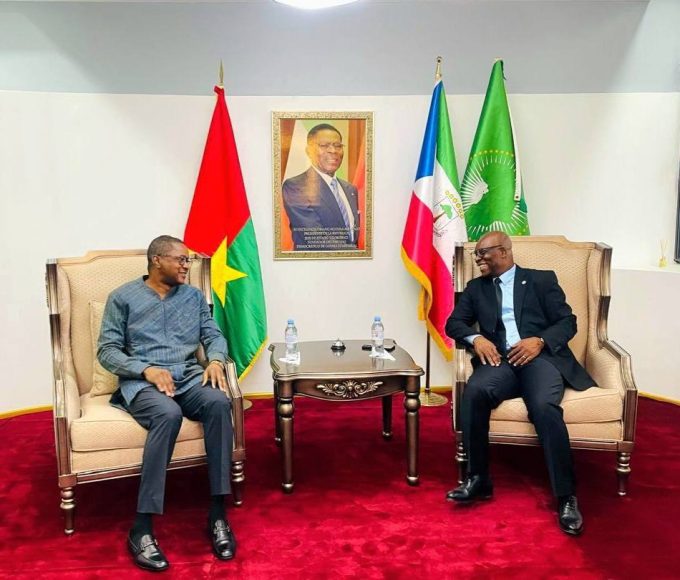
Burkina Faso and Equatorial Guinea Pledge Stronger Bilateral Cooperation as Foreign Minister Visits Malabo
Burkina Faso’s Minister of Foreign Affairs, Karamoko Jean Marie Traoré, has completed...
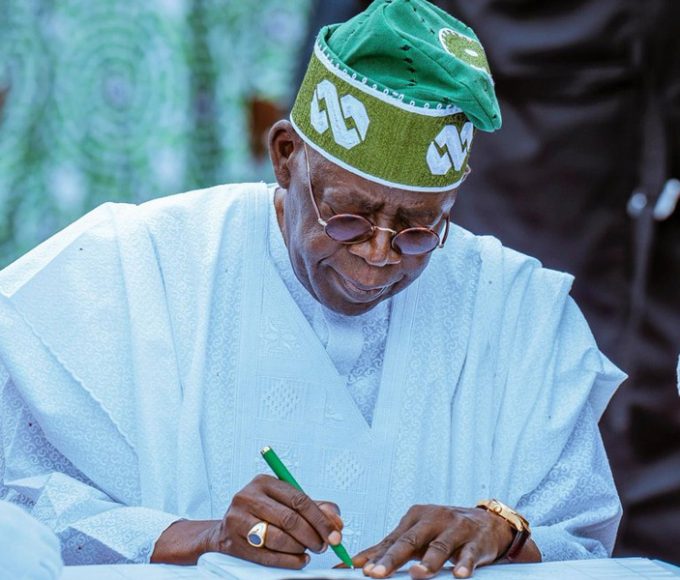
Nigeria Finance Minister Edun Warns Against Borrowing as Senate Approves Tinubu’s $6bn Loan in Under 3 Hours
The Minister of Finance and Coordinating Minister of the Economy, Wale Edun,...
Nigeria Spent Billions on Harmful Surveillance Technology to Spy on Activists and Journalists, Report Reveals
Nigeria has been revealed as Africa’s largest customer of surveillance technology contracts,...

Transport Operators Give Ghana Government Two-Day Ultimatum to Stabilise Fuel Prices or Face 20 Percent Fare Hike
Commercial transport operators in Ghana have issued a two-day ultimatum to the...
Leave a comment