





Field Check Shows Less Than 30km Completed on Lagos-Calabar Coastal Highway, Contrary to Official Claims
 Confidence UbaniJune 5, 20251 Mins read939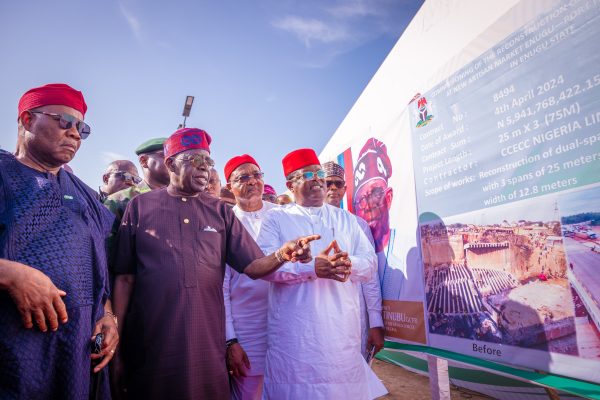
A recent independent investigation has revealed that the Federal Government’s claim of completing 30 kilometres of the Lagos-Calabar Coastal Highway is not accurate. Field measurements and inspections indicate that the actual distance constructed so far is less than the 30 kilometres officially stated.
When President Bola Tinubu commissioned what was described as the first phase of the highway on May 27, officials announced a six-lane dual carriageway stretching from Ahmadu Bello Way in Victoria Island to Eleko Village in Lagos. The project was promoted as a landmark infrastructure development expected to link nine coastal states and generate up to $12 billion annually for the Nigerian economy.
However, a June 3 inspection by Objectv Media revealed inconsistencies between these official statements and the physical reality. Using chainage markings, the constructed segment between Eleko Junction (chainage 47.5km) and the current endpoint (41.23km) measured only 6.27km, not the 10km figure presented by the authorities.
Additionally, the road is incomplete in several parts. It is not yet possible to drive seamlessly from Victoria Island to Eleko, contrary to the impression given during the commissioning.
Plans to toll the road from December 2025 have also raised concerns. With a projected fee of ₦3,000 per vehicle at each toll gate, commuters could pay as much as ₦12,000 for a return trip between VI and Eleko if two plazas are installed. This raises affordability issues for everyday users, particularly those with lower incomes.
There are also unresolved issues related to displacement and compensation. The road’s revised alignment has led to the demolition of homes and commercial properties, some of which were previously untouched under the original forest-route plan. Many affected property owners reportedly received little or no compensation, with some allegedly paid as little as one per cent of their property’s value.
The video also raised concerns about the lack of a publicly accessible Environmental Impact Assessment (EIA), particularly given the scale of land-use change and displacement along the corridor.
Although the highway would aid in easing traffic congestion and boosting commerce along the Lekki corridor, its long-term value depends on consistent progress and public accountability, not just ceremonial launches or inflated progress reports. Without this, the project risks becoming another case of political hype outpacing on-ground delivery.
Read More:
- We Spent $100 Million Trying To Win – Jason Njoku On IrokoTV
- AES and Malian Armed Forces Intensify Counter-Terror Operations Across Key Regions, Claim Major Victories
About The Author



Related Articles
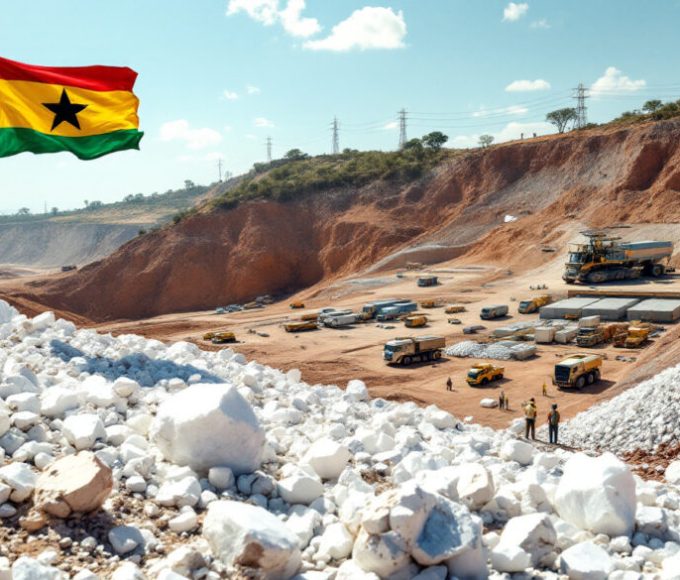
Ghana Sells 3.6 Million Tonnes of Lithium Owned by Australian Company to America
A lithium mining deal in Ghana has come under intense scrutiny after...
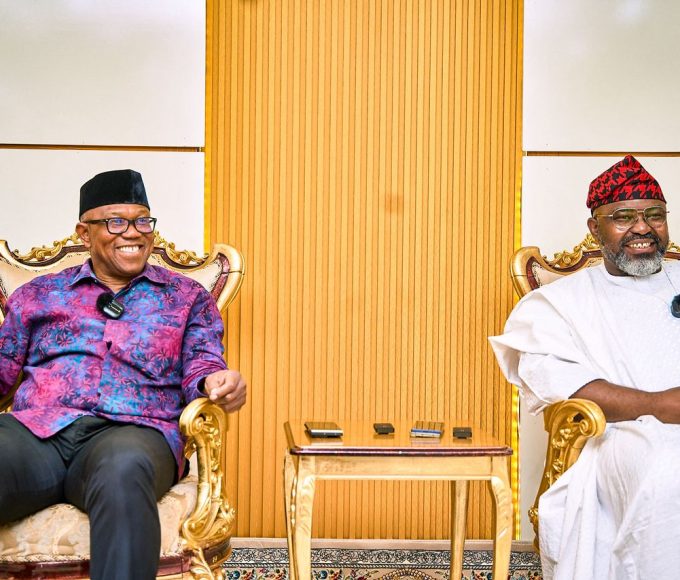
Sheikh Arrested Hours After Hosting Peter Obi, Calls It Harassment of Political Opponents
Former governor of Anambra State, Peter Obi, has raised alarm over the...
Tinubu’s Government Accused of Selling Out as EU Partnership Includes Rehabilitating Former Terrorists
A new partnership agreement between the European Union and the Nigerian government...

Tinubu Hands Another $700 Million to Convicted Money Launderer Chagoury While His Son Sits on the Board
Since President Bola Tinubu took office, one man has quietly collected more...
Leave a comment