


Côte d’Ivoire Ends Customs Visas for Sahel Neighbours Mali and Burkina Faso Amid Trade Route Shifts
 West Africa WeeklyApril 7, 20262 Mins read19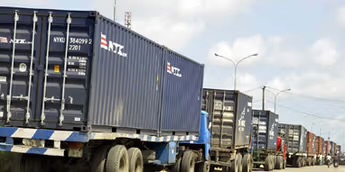
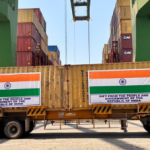
Côte d’Ivoire has moved decisively to overhaul its customs procedures with Mali and Burkina Faso, immediately removing the long-standing visa requirement on export declarations for goods heading to the two landlocked Sahel states. The decision, formalised in a circular issued by the Ivorian Directorate General of Customs on March 31, 2026, is a major administrative shift aimed at slashing transit delays and accelerating the flow of goods through Abidjan’s ports to inland West African markets.
The visa system, which once mandated approvals from foreign customs offices before goods could be cleared for transit, had increasingly become a major bottleneck for trade. Cargo volumes through Abidjan, one of West Africa’s busiest ports, had grown significantly in recent years, making the manual approval process unsustainable. The reform leverages the successful deployment of digital transit systems, enabling secure, transparent, and real-time tracking of cargo without the need for manual endorsements.
The directive from Director General of Customs, General Da Pierre A., formally abolishes the old administrative requirement. The shift is anchored on the operationalisation of the T1 Transit Management Module with Mali and the Interconnected Transit Goods Management System (SIGMAT) with Burkina Faso. These digital platforms enable continuous and secure sharing of customs data, effectively removing the need for the slow, manual approval process that had long frustrated traders.
The reform is taking place amid a profound geopolitical realignment in West Africa. Mali, Burkina Faso, and Niger formally withdrew from the Economic Community of West African States (ECOWAS) and formed their own Alliance of Sahel States (AES). Since their exit, the three AES members have pledged to dismantle trade bottlenecks among themselves and reduce their reliance on coastal intermediaries. They have also introduced a 0.5% levy on imported goods from ECOWAS member states.
Despite their political ambitions for self-sufficiency, the landlocked AES states remain structurally dependent on coastal corridors, particularly through Côte d’Ivoire, for access to global markets. Abidjan’s strategic move can therefore be seen as both a pragmatic economic adjustment to improve efficiency and a calculated effort to retain its vital role as a key transit hub amid shifting regional dynamics. By streamlining its customs processes, Côte d’Ivoire is ensuring that the flow of goods to its neighbours continues smoothly, even as those neighbours seek to chart a more independent economic course.
READ MORE: Is Tinubu Preparing to Rig the 2027 Election? His Government Reserves N135 Billion for Lawsuits
About The Author

Related Articles
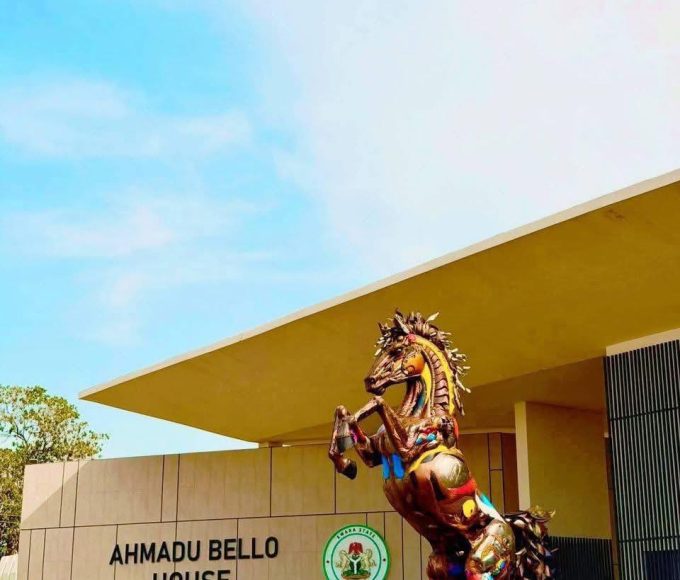
Kwara Governor Installs Giant Horse Sculpture as Bandits Turn Villages Into Ghost Towns
A giant horse sculpture has been installed in front of the Kwara...
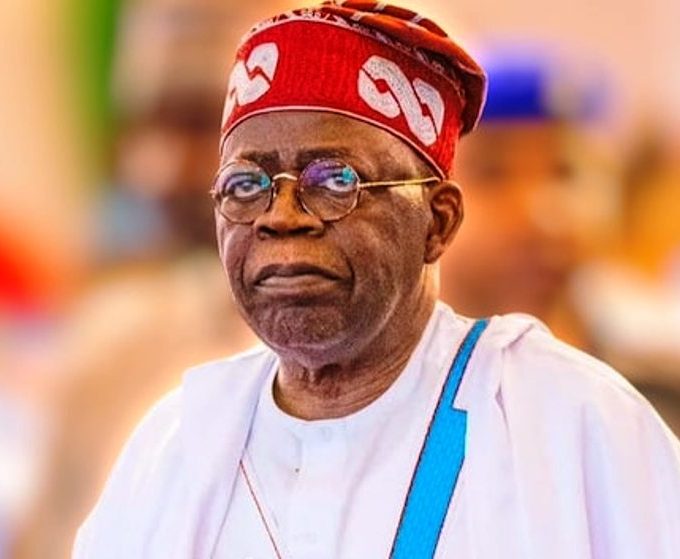
Is Tinubu Preparing to Rig the 2027 Election? His Government Reserves N135 Billion for Lawsuits
The Federal Government has proposed a jaw‑dropping N135.22 billion in the 2026...

Doctors Strike Over 19 Months Unpaid Allowances as Patients Turned Away from Federal Hospitals
The Nigerian Association of Resident Doctors (NARD) has commenced an indefinite nationwide...

Tinubu Releases Just 7% of ₦3.3 Trillion to Tackle Ongoing Power Crisis Affecting Millions
President Bola Ahmed Tinubu has approved a ₦3.3 trillion payment plan to...
Leave a comment