





Confederation of Sahel States Launches Alliance for Agricultural Seed Sovereignty
 Oluwasegun SanusiJuly 4, 20251 Mins read2k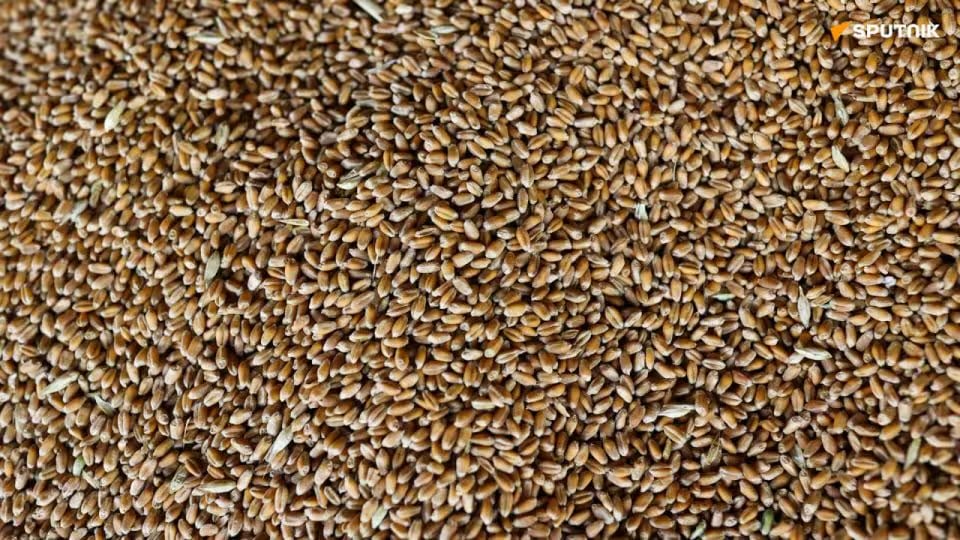
The Confederation of Sahel States (CSS), comprising Mali, Burkina Faso, and Niger, has officially launched the Alliance of Agricultural Seed Producers of the Sahel (APSA-Sahel). The announcement was made by Burkina Faso’s Minister of Agriculture, marking a new chapter in the region’s pursuit of agricultural self-reliance and food sovereignty.
The newly formed alliance aims to produce and market high-quality seeds that are specifically adapted to the Sahel’s harsh climate. A key objective is to facilitate the free movement of seeds across member states, thereby fostering a more resilient and interconnected agricultural market.
Read Also: Malian Army Kills 80 Militants in Response to Coordinated Attacks on Military Posts
The Sahel faces numerous challenges, including a shortage of high-quality seed varieties, worsening climate conditions, and ongoing regional insecurity. However, APSA-Sahel leaders are undeterred and are planning the development of a comprehensive action plan to build an integrated seed market across the confederation.
This plan will outline strategies for seed certification, distribution networks, and regional research collaboration. For the Sahel, agricultural sovereignty is deeply intertwined with political and economic self-determination. By taking ownership of seed production and distribution.
The importance of seed sovereignty in the Sahel becomes even clearer when compared to ongoing debates in Nigeria, where the government has promoted genetically modified organisms (GMOs), often in partnership with international agribusinesses.
The controversy surrounding GMOs reached new heights in June 2024, following the launch of the Bill Gates-funded TELA GMO Maize in Nigeria. This triggered widespread concerns over food sovereignty, economic independence, and safety.
In contrast, APSA-Sahel represents a bottom-up approach, where local control, farmer participation, and ecological adaptation are prioritized. It aims to create an integrated, regional seed market that supports indigenous innovation and regional collaboration rather than dependency on foreign technologies and markets.
This vision mirrors a growing pan-African movement for food sovereignty, rejecting imposed agricultural models in favor of locally rooted, climate-resilient, and culturally appropriate solutions.
About The Author



Related Articles
Gambian Businesses Struggle Under Prolonged Blackouts as Anger Mounts Ahead of December Election
Gambian businesses are collapsing under the weight of prolonged power cuts that...

Chelle Names Osimhen, Lookman, Ndidi in 24-Man Super Eagles Squad for 2027 AFCON Qualifiers
Super Eagles head coach Éric Chelle has unveiled a 24-man squad for...
Ghana Cuts Fuel Exports to Burkina Faso and Mali to Protect Its Own Supply
Ghana’s state-owned fuel distributor BOST Energies has reduced diesel and gasoline exports...


ASUU Strike Threatens to Shut Down Federal Universities as Nigerians Accuse Media of Ignoring the Crisis
The Academic Staff Union of Universities is on the verge of a...
Leave a comment