




CBN Withdraws 2024-2025 Policy Guidelines Over ‘Misrepresentation’
 Mayowa DurosinmiSeptember 20, 20241 Mins read968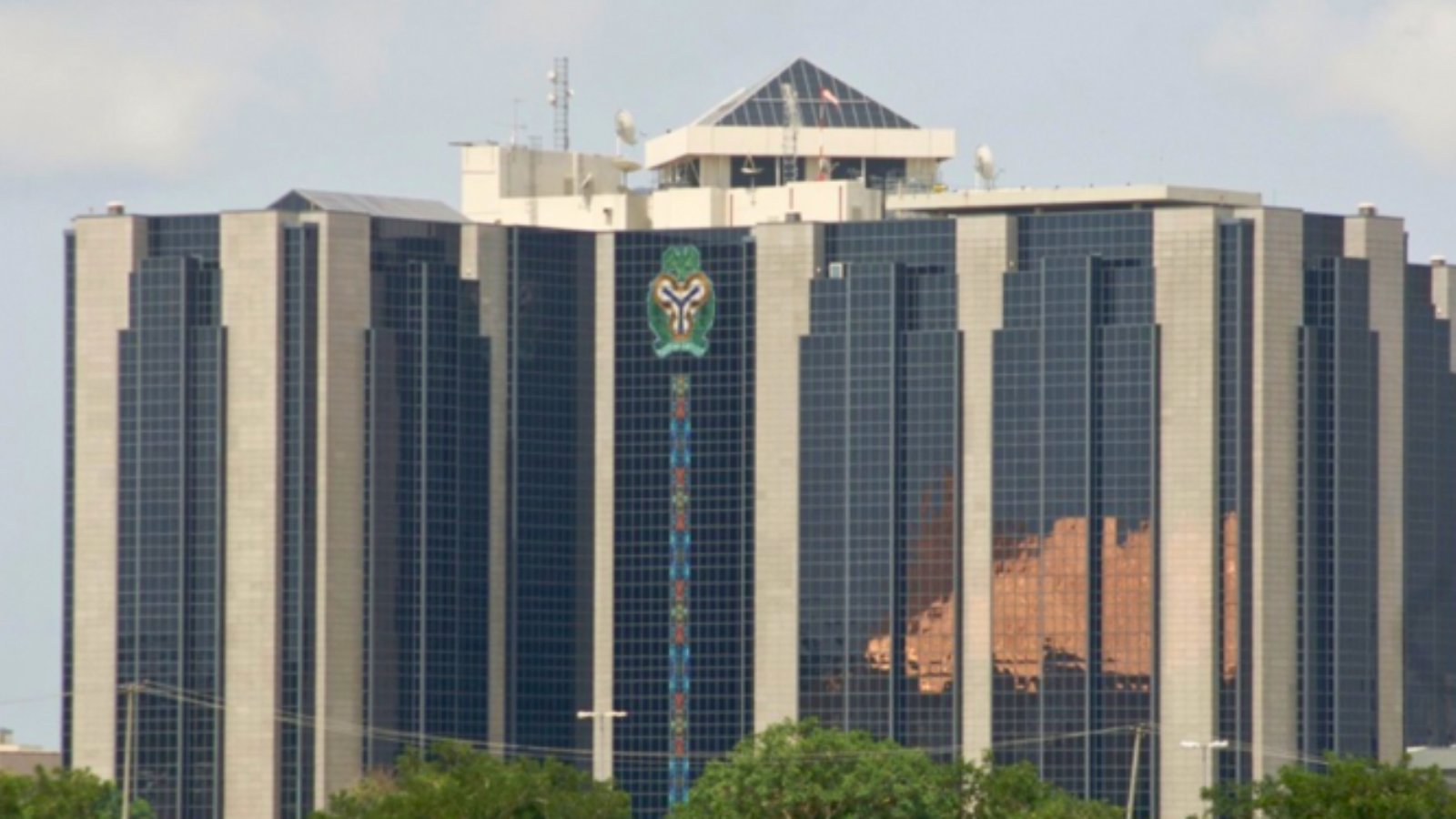
The Central Bank of Nigeria (CBN) has temporarily withdrawn its publication on Monetary, Credit, Foreign Trade, and Exchange Policy Guidelines for the fiscal years 2024-2025.
In a statement released by the apex bank, this is due to concerns following what it termed “misrepresentation” and “misinterpretation” within certain provisions contained in the guidelines by some unnamed media outlets, particularly on the Cybersecurity Levy.
Clarifying what led to the “misrepresentation” and “misinterpretation,” CBN cited a compilation of previous policies and guidelines issued on September 17, 2024.
The apex bank added, “In line with prior editions, the most recent publication (January 2024) contains policies and guidelines issued by the Bank up to 31st December 2023, some of which will remain relevant from 2024 – 2025.”
Highlighting more clarification, CBN revisited its statement contained in the guidelines, stating that it is subject to adjustment without prior notice.
The guidelines may be adjusted by the CBN without prior notice to address new developments in the domestic and global economies during the period. However, such amendments shall be communicated to the relevant institutions/stakeholders in supplementary circulars (Page 8, Paragraph 1),” the statement reads.
Citing further clarifications, CBN noted that the misrepresented Cybersecurity levy was suspended in May 2024, in effect to the previous adjustment referenced.
One such example is the Cybersecurity Levy, which was suspended earlier this year, but this wasn’t reflected in the initial guidelines because of the cut-off date,” the bank explained.
While CBN further addressed technical aspects of the guidelines, it noted that its initial observations were intended to highlight potential economic risks and suggest possible mitigation measures, which had evolved due to more recent monetary and fiscal policies.
“They are not new directives and should not be reported as such,” it added.
Read: Again, UI Students Protest Hike In School Fees
About The Author




Related Articles
Mali Distributes Over CFA 18 Billion Mining Fund to Local Communities
The transitional president of Mali, Assimi Goïta, has handed over more than...
Bandits at the Akure Airport Confirm What Nigerians Already Know About Tinubu’s Government and Its Failures
Terrorism has so deeply infected Nigeria that nowhere is safe anymore. Not...
FIFA Sanctions Nigeria and DR Congo Over World Cup Qualifiers
FIFA has imposed sanctions on both Nigeria national football team and DR...

Nigerians Injured as Iran Launches New Missile and Drone Attacks on UAE
A fresh wave of missile and drone attacks launched by Iran against...