




Businesses Are Dying, Manufacturers Are Shutting Down Because of Poor, Inconsistent FG Duty Policies – Peter Obi
 Joy ChukwuFebruary 21, 20242 Mins read1.3k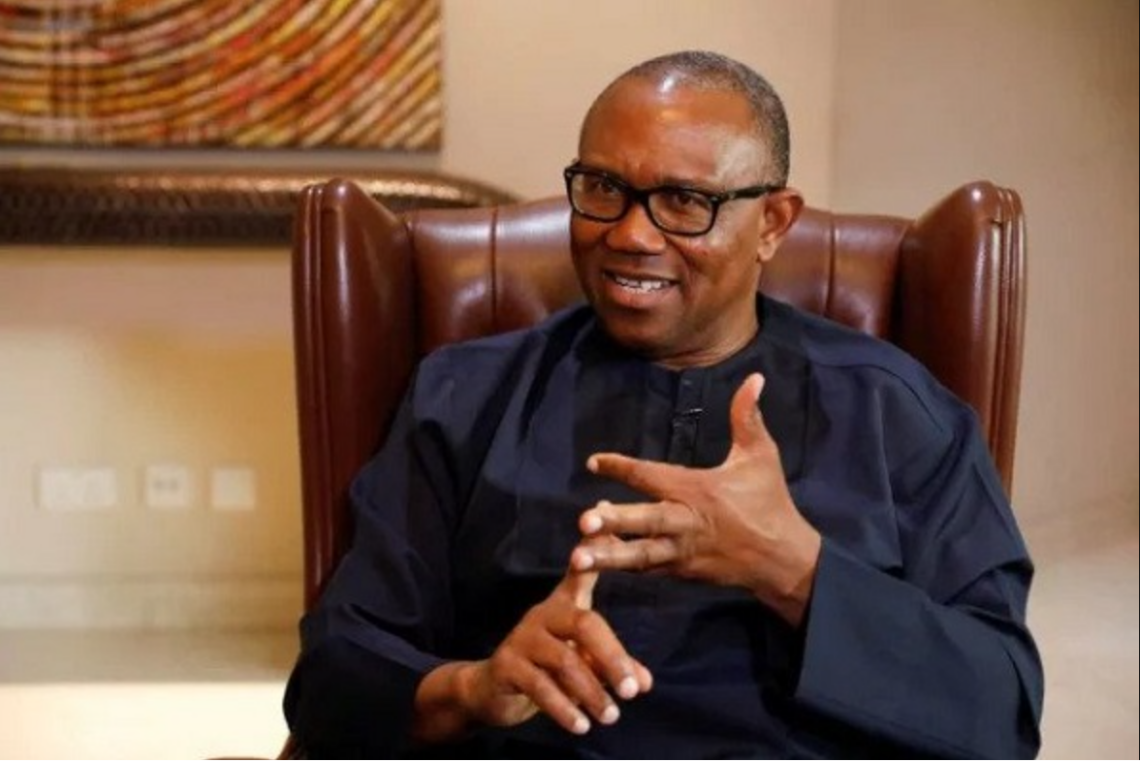
Peter Obi has urgently called on the federal government to end the inconsistency in duty charges as it affects the country’s general business atmosphere.
Recall that on February 14, the Federal government raised customs duty rates by 2.6% for the fifth time in two weeks. This was after it was first raised by 43% on February 2 and increased again within 24 hours by 4.4%.
Speaking on this on Wednesday via his X handle, Obi highlighted the negative impact of the arbitrary and ever-increasing customs duties on businesses and the cost of goods, emphasising that such practices pose a significant threat to the economy, leading to business closures and loss of jobs.
Painting a vivid picture of the struggle faced by importers who find themselves blindsided by fluctuating exchange rates when their goods finally land in Nigeria, he said:
“A situation where at the point of initiating importation, Form M and other documents related to importation are based on a particular rate of exchange, for example, N1000 to $1, being the prevailing exchange rate at the time which the importer of goods was used to calculate the entire process, from the import initiation to receipt of goods in his warehouse.
“Then suddenly when the goods arrive in Nigeria, and duties are calculated at different rates, say N1400 to $1, it becomes a serious business challenge that results in business losses.”
He elaborated further, stating that these arbitrary charges directly contribute to the inflationary spike, which drives up the cost of goods and living expenses. This, he reiterated, would inevitably lead to more businesses shutting down and increased job losses. He pointed out that such outcomes are exacerbated because calculations, including duties, were initially based on the prevailing exchange rate and market prices at the onset of business operations.
He expressed concern that if not corrected, such practices could drive importers to utilise ports in neighbouring countries, leading to a decline in revenue and productivity for Nigerian ports.
Urging the government to prioritise supporting businesses, particularly those in the manufacturing sector, to sustain economic growth and mitigate the impact of poor economic policies, Obi stated:
“The government should also show consistency in its policies as this will help with economic forecasting and business planning. Businesses are dying and manufacturers are shutting down because of the poor and inconsistent economic policies of the government.
“All efforts of the government should be directed at supporting businesses, especially those in the manufacturing sector, to keep their businesses afloat and keep the economy growing, as the small business sector remains the most critical engine of economic growth. We cannot afford to target high customs revenues at the expense of the survival of local businesses, employment and reasonable cost of living.”
About The Author



Related Articles

Awoniyi Replaces Injured Osimhen in Super Eagles Squad for AFCON Qualifiers
Victor Osimhen has been ruled out of Nigeria’s opening 2027 Africa Cup...
Tinubu and Umahi Threaten to Shut Down Coastal Highway They Can’t Protect
The Federal Government has threatened to shut down the Lagos section of...
Tinubu Extends European Vacation as Nigerians Continue to Suffer at Home
President Bola Tinubu has extended his working vacation in Europe, meaning he...


Uganda Suspends All Military Cooperation With Turkey Over Refusal to Extradite Government Critic
Uganda’s army has suspended all defence and military cooperation with Turkey with...