






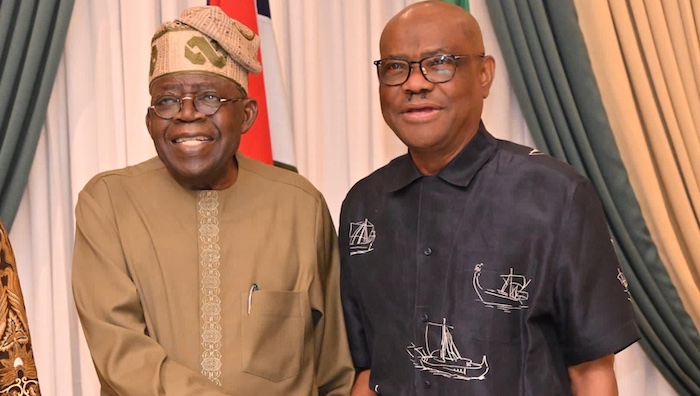
Federal Capital Territory Minister Nyesom Wike has offered a staggering N10 million to any local councillor who secures their ward for President Bola Tinubu in the January 16, 2027 elections. The campaign pledge, made on November 9, 2026, at a Rainbow Coalition stakeholders’ meeting in the Kwali Area Council, has ignited intense debate over electoral integrity and the risk of polling-day unrest.
Wike urged grassroots officials to mobilize traditional rulers, youth groups, and local associations for the President. The promise spans all 62 electoral wards across the FCT’s six area councils, representing a potential payout of N620 million. Tying such a massive cash reward directly to an electoral outcome transforms local officials into desperate enforcers. Offering a life-changing lump sum to local officials, who currently earn a monthly salary of N260,000, creates an immediate incentive to bypass democratic rules.
When local leaders treat a ward victory as a personal financial windfall, competition at the polling unit turns into a do-or-die struggle. Compromised officials may resort to mass rigging, ballot stuffing, result tampering, or voter intimidation to guarantee their payout. Hiring youths to deliver wards by force often triggers clashes between rival factions, resulting in widespread unrest, property destruction, and loss of life.
Despite the desperation such a sum can provoke among cash-strapped officials, N10 million is fundamentally insufficient to sustain a family over a four-year political term amid persistent inflation and rising food costs. Selling out a community’s democratic mandate for a payout that quickly erodes in purchasing power leaves both the officials and the electorate worse off long after the election ends.
The cash pledge also coincides with heightened public scrutiny over President Bola Tinubu’s borrowing spree. Just weeks before the elections, Tinubu asked the Senate to approve a fresh $7.7 billion (about N10.79 trillion) external loan to finance the 2026 budget deficit, after withdrawing an earlier $20.5 billion borrowing proposal. While the Presidency maintains that the funds are strictly for budget deficits, infrastructure, and public services, the timing of massive pre-election borrowing alongside multi-million-naira ward incentives raises pointed questions. Is the administration borrowing to fund development, or is public debt fueling a war chest to rig the upcoming election?
The controversy comes amid broader warnings over financial inducements in Nigerian politics. The European Union Support to Democratic Governance in Nigeria Election Observation Hub warned that vote trading had reached pandemic levels in recent off-cycle elections. Meanwhile, the Independent National Electoral Commission has reiterated warnings against election interference. Plateau State Resident Electoral Commissioner Professor Samuel Agu warned politicians and party agents that excessive campaign spending and vote tampering undermine electoral credibility and carry strict penalties, including fines and imprisonment.
The reality is that the Tinubu administration has turned the FCT into a political testing ground for its 2027 ambitions. Wike’s N10 million bounty for councillors is not a mobilization incentive. It is a bribe designed to buy wards, silence voters, and guarantee a predetermined outcome. The government is borrowing trillions to fund a deficit, but it has found hundreds of millions to hand out to local officials who can deliver votes by any means necessary. Nigerians are watching as their democracy is put on the auction block. And the only way to stop it is for citizens to reject the cash, protect their ballots, and hold the government accountable before it is too late.
About The Author




Leave a comment