








The Independent National Electoral Commission has been accused of violating the Electoral Act 2026 by refusing to publish the detailed preliminary voters’ register online during the mandatory seven-day public display period. The commission announced a total of 103,428,715 registered voters but has failed to make the register available for public scrutiny, fueling suspicions that the figures could be manipulated ahead of the 2027 general elections.
Section 19(1) of the Electoral Act 2026 requires INEC to display or publish the voters’ register for each Local Government, Area Council or Ward at registration areas and on its official website for seven days to allow citizens to scrutinise their details and raise claims or objections. The exercise was scheduled to run from October 9 to 15, 2026. But the relevant page on INEC’s Continuous Voter Registration portal continued to display a message saying “There are currently no preliminary registers to display. Please check back later.” Screenshots of the blank page circulated widely on social media, with users questioning why the commission had not made the register available during the statutory period.
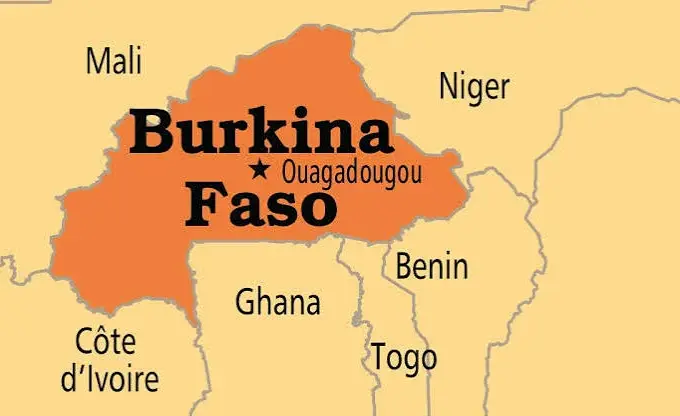
READ MORE: Burkina Faso’s Military Government Reinstates Death Penalty Eight Years After Abolition
INEC Chairman Professor Joash Amupitan announced the total register figure of 103,428,715 voters on Tuesday at a stakeholders’ meeting in Abuja. He said the figure followed the completion of the three-phase Continuous Voter Registration exercise and the final biometric clean-up. Lagos topped the list with 7,488,633 registered voters, followed by Kano with 6,570,276 and Kaduna with 4,662,640. The commission also released demographic breakdowns showing male voters at 53,528,218 and female voters at 49,900,497. Amupitan said the register would be displayed for public scrutiny from October 9 to 15 in compliance with the Electoral Act.
But the publication of overall figures has not addressed concerns over the unavailability of the detailed preliminary register. The Foundation for Investigative Journalism and other observers raised concerns about the register’s inaccessibility several days into the display period. Critics described the development as a possible ploy to manipulate voter figures, with one widely shared post accusing INEC of hiding the total number of registered voters to cook fake numbers. As of Tuesday afternoon, INEC had not issued a detailed public explanation for the continued absence of the preliminary register from its online portal. Physical verification of the register at registration areas remained available until October 15, typically between 9 a.m. and 3 p.m.
The failure to publish the register online undermines the transparency of the electoral process. The public display period is meant to allow Nigerians to check their names, verify their details and challenge any irregularities before the final register is certified. By keeping the detailed register offline, INEC is denying citizens the opportunity to exercise that right and raising questions about what it is hiding. The commission cannot announce a figure of 103 million voters and then refuse to show the public how that figure was compiled. The discrepancy between the announced total and the missing register is a red flag that cannot be ignored.
About The Author






Leave a comment