








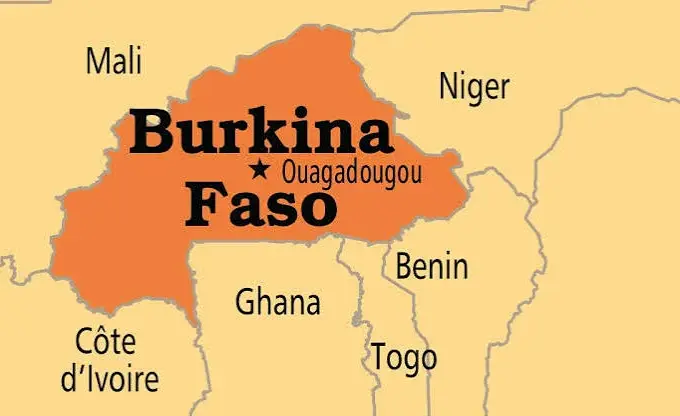
Burkina Faso’s People’s Legislative Assembly has adopted a new law prohibiting the full or partial privatisation of state-owned enterprises classified as strategic, while giving the government expanded authority to acquire stakes in private businesses considered essential to national interests.
The legislation was adopted unanimously on Monday, October 19, 2026, with all 71 lawmakers voting in favour. It replaces a law enacted on December 20, 1993, which the government says had become inadequate as the country’s economic and institutional circumstances changed. Industry, Trade and Crafts Minister Serge Gnaniodem Poda told the assembly that the earlier legislation had failed to prevent the privatisation of strategic companies between 1992 and 2000, and that several entities classified as strategic had been sold to the private sector or had ceased to exist.
Under the new law, five criteria will determine whether an enterprise qualifies as strategic: national sovereignty, contribution to economic development and social stability, national security, monopoly status and public-service obligations. Any entity holding a de facto or de jure monopoly will automatically be considered strategic. The specific list of covered enterprises will be established by decree adopted by the Council of Ministers and may be updated as circumstances change.
Beyond banning the privatisation of designated state-owned strategic enterprises, the legislation allows the government to acquire shares in private companies operating in strategic sectors or to increase existing holdings. Certain major financial commitments, contracts involving strategic resources and decisions that could interrupt strategic activities will require prior authorisation from the Council of Ministers. The law also allows some strategic economic activities to be reserved for domestic operators when the public interest requires it, and introduces legal protections making the assets of designated enterprises immune from seizure under conditions specified in the legislation.
Poda said the reform was not intended to reverse every privatisation carried out in previous decades, but to provide stronger safeguards for businesses deemed essential to the country’s economic and industrial sovereignty. The government framed the legislation as a vital tool to secure state control over critical infrastructure, resource processing and long-term national development.
The new law is part of a broader push by Captain Ibrahim Traoré’s administration to increase state control over strategic assets. The government nationalised SOFITEX, the country’s leading cotton company, in April 2026, and has expanded its presence in the mining sector through the Burkina Faso Mining Participation Company. The reform also follows the adoption of measures requiring foreign mining firms to give the state a larger stake in their operations, and the opening of a state-owned gold refinery in September 2026.
About The Author






Leave a comment