







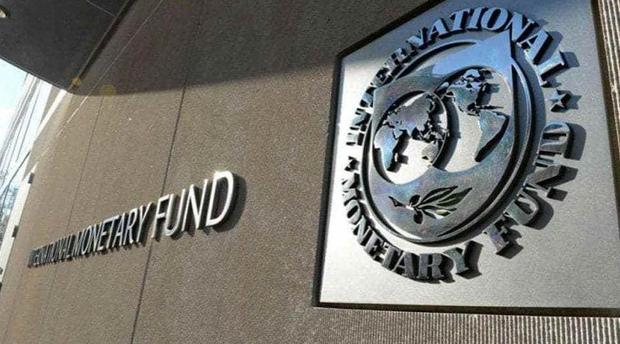
The International Monetary Fund has warned Nigeria against restoring a broad petrol subsidy, recommending targeted relief for vulnerable households instead. The advice has drawn sharp criticism from Nigerians who point out that the United States and European countries spend billions of dollars every year subsidising energy for their own citizens.
IMF Fiscal Affairs Director Rodrigo Valdés delivered the warning on Wednesday during the IMF and World Bank annual meetings in Bangkok, Thailand. He said blanket fuel subsidies are fiscally costly, disproportionately benefit wealthier households and prevent demand from adjusting when global supplies are tight. “Protecting people is not the same as protecting the price of fuels,” Valdés said. The IMF recommended subsidising bus fares, expanding school feeding programmes and using geographical targeting instead of a universal subsidy. The Fund said fuel subsidies and other measures preventing energy prices from adjusting fully to supply shocks cost countries between one and 1.5 per cent of GDP in 2026.
The warning comes as Nigeria’s Federal Government faces pressure over petrol prices. On October 1, 2026, the Nigerian National Petroleum Company Limited began a month-long petrol discount at its retail stations, reducing pump prices from N1,405 to N1,339 per litre. Finance Minister Taiwo Oyedele described the measure as temporary relief rather than a return to subsidy, explaining that NNPC Retail was forgoing its profit margin. The government also proposed a ceiling of N1,350 per litre on petrol’s landing cost.
But the IMF’s advice to Nigeria sits uneasily alongside the energy support programmes operated by Western governments. In the United States, the fossil fuel industry receives approximately $31 billion in annual federal subsidies, with tax benefits totalling about $19.1 billion over the 2025 to 2029 period. In May 2026, President Donald Trump supported suspending the 18.4 cent per gallon federal gas tax when prices exceed $4 per gallon, a measure that would reduce revenue by about $17 billion over five months. The US Senate introduced the Gas Tax Suspension Act to give effect to the proposal.
Across the European Union, 25 member states have implemented fiscal measures to limit the impact of rising energy costs. The fiscal cost for 2026 is estimated at 17.9 billion euros, more than two-thirds of which was spent on non-targeted price support. The European Commission has allocated 14.5 billion euros for measures to address the 2026 energy price shock. The IMF itself has criticised EU energy-price measures, finding that the richest 20 per cent of households receive more benefit from road transport fuel subsidies and electricity subsidies than lower-income households.
The contradiction is stark. The IMF tells Nigeria to avoid broad subsidies and target the vulnerable. At the same time, the Fund criticises Europe for failing to target its own energy support, even as EU governments continue to spend billions on measures that the IMF acknowledges benefit the wealthiest. The United States, which has repeatedly lectured African countries about fiscal discipline, continues to hand out tens of billions of dollars in fossil fuel subsidies every year.
For Nigeria, the choice is difficult. The government has insisted that subsidy removal remains in place and that the NNPC discount is not a return to the old regime. But the IMF’s advice, delivered against the backdrop of Nigeria’s cost-of-living crisis and ahead of elections, has reignited a debate about whether the Fund’s prescriptions serve Nigerian interests or the interests of the Western economies that continue to subsidise their own energy sectors. Nigerians are tired of being told to tighten their belts while the countries giving the advice loosen theirs. The IMF should practice what it preaches before telling Nigeria to do the same.
About The Author



Leave a comment