




FG Approves Upgrade of Onne, Rivers, Delta, Calabar Ports, Another Promise That May Never See Daylight
 West Africa WeeklySeptember 29, 20263 Mins read17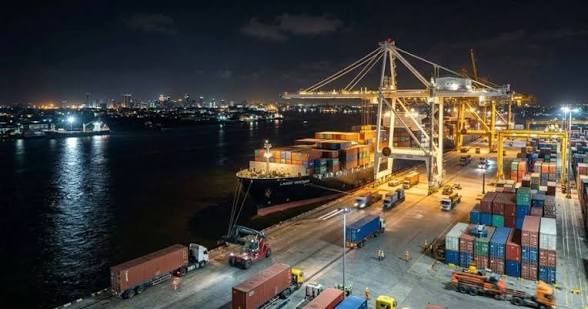
The Federal Government has approved the comprehensive modernisation and upgrade of Onne, Rivers, Delta and Calabar ports, Minister of Marine and Blue Economy Adegboyega Oyetola announced in a post on X on Sunday, September 27, 2026. The approval builds on an earlier plan to modernise Apapa and Tin Can Island ports in Lagos.
According to the Minister, the upgrade is part of efforts to develop a balanced and globally competitive national port system and will help reduce the heavy concentration of cargo traffic around Lagos by creating additional gateways for international trade. He said the ports will enhance cargo handling, reduce vessel turnaround times, strengthen regional connectivity and make the movement of goods more predictable and cost-effective.
The approval is a welcome development on paper. But for stakeholders in the maritime sector, the announcement is a familiar one. These ports have been neglected for decades, and previous promises of revival have come and gone without any tangible improvement.
Calabar Port is a stark example. The port has not received a large container vessel in 25 years because the channel is too shallow. The draft of the Calabar channel is about 5.2 metres, and it needs to be dredged to about nine metres to allow bigger vessels to enter. A $56 million dredging contract awarded in 2006 was reportedly paid in full but the target depth was never achieved, and the project stalled for years. Stakeholders estimate that over N70 billion will now be required to complete the dredging project. A traditional ruler has demanded the release of a House of Representatives report on the failed contract, but the report remains secret.
The Delta ports have suffered a similar fate. For years, the ports of Warri, Koko, Sapele and Burutu symbolized unrealized potential. Shallow channels, aging quays and poor navigational infrastructure kept them underused. The ports gradually fell silent as infrastructure collapsed, channels silted up, and road access deteriorated. In August 2026, Delta State Governor Sheriff Oborevwori urged the Federal Government to revive the Warri, Koko, Sapele and Burutu seaports, arguing that their revival would create employment, stimulate trade and strengthen the economies of Delta and Nigeria. His call came just weeks before the Federal Government announced the same ports would be upgraded.
READ MORE: Burkina Faso Opens First Gold Refinery to Process Its Own Gold
Even Onne Port, which accounts for about 70 per cent of the combined cargo volume of the four ports, has been described as a deep harbour strangled by shallow bureaucracy. Its oil and gas free zone, once Africa’s first, has seen its promise fade over the years.
The pattern of announcing port upgrades without implementation is not new. The NIMASA modular floating dock, a project valued at N250 billion, has consumed over N127.6 billion in maintenance costs over eight years without generating any economic returns. Shipowners have called for the prosecution of NIMASA officials over the failed N50 billion floating dock project, which has remained idle for years despite huge investments. The Tin Can Island Port in Lagos was hailed as Nigeria’s most advanced seaport when it opened in 1978. Despite promises from successive governments, the port that took 16 months to build has taken about five decades to renovate. The Badagry Deep Seaport has remained stalled after nearly 60 years of planning, with funding needs standing at $3.7 billion. The $4.6 billion Ibom deep seaport project was also abandoned.
The Minister’s announcement did not disclose the investment amount, a timetable, or expected capacity gains for the four ports. The approval is described as a comprehensive modernisation and upgrade, but the government has not explained where the money will come from, who will do the work, or when Nigerians will see results. The ports have strategic roles to play in Nigeria’s trade, industrial and regional development, and equipping them to meet the demands of a growing economy is a worthy objective. But Nigerians have heard this promise before. They have watched successive governments announce port upgrades with great fanfare, only for the projects to be abandoned, underfunded, or mired in corruption. They have seen $56 million paid for dredging that never happened. They have seen a floating dock gulp N127.6 billion while sitting idle.
The Minister said the Federal Government would work with state governments, terminal operators, investors and shipping companies to ensure the projects deliver the expected benefits. But until the government provides concrete details, a clear timeline, and a funding plan, the approval of the upgrade of Onne, Rivers, Delta and Calabar ports is just another promise that may never be kept.
About The Author



Related Articles
Burkina Faso Opens First Gold Refinery to Process Its Own Gold
Burkina Faso has opened its first gold refinery, a move the military...
Nigeria and Uganda Signed US Health Deals Giving Access to Medical Records as Ghana Rejected Similar Pact
Nigeria and Uganda signed health agreements with the United States in December...
Niger Accuses France and Ukraine of Backing Proxies to Attack Its Territory in Fiery UN Speech
Niger’s representative at the United Nations General Assembly has accused France and...

Sidya Touré, Guinea’s Former Prime Minister and Leading Opposition Figure, Dies in Paris at 81
Sidya Touré, a former prime minister of Guinea and one of the...
Leave a comment