




Tinubu Seeks Fresh $1.5bn World Bank Loan as Nigeria’s Debt Hits Record N166.79tn
 West Africa WeeklySeptember 28, 20262 Mins read18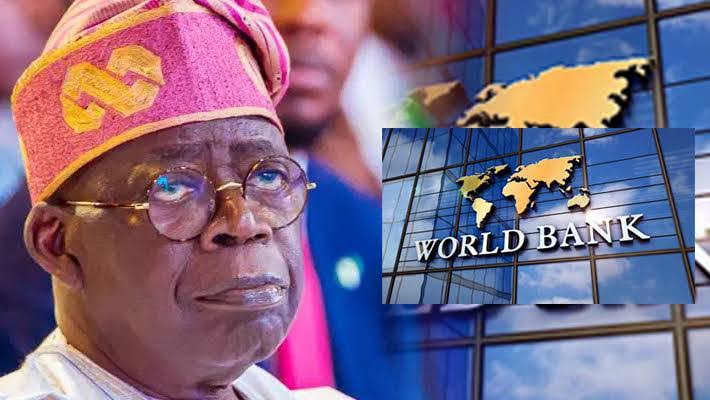
President Bola Tinubu’s administration has opened fresh discussions with the World Bank for three new loans totalling $1.5 billion, even as Nigeria’s public debt climbed to a record N166.79 trillion at the end of June 2026. The proposed financing comprises three separate $500 million facilities for climate resilience, social protection and early childhood development.
The most immediate is a $500 million additional financing for the Agro-Climatic Resilience in Semi-Arid Landscapes project, known as ACReSAL, with the World Bank board scheduled to consider it on October 29, 2026. The second is a $500 million credit for the Household Prosperity and Empowerment-Social Protection Project, with board consideration tentatively fixed for March 16, 2027. The third is a $500 million facility for the Nigeria Early Childhood Development programme, scheduled for March 15, 2027.
The proposed loans come as Nigeria’s public debt rose by N14.39 trillion, or 9.44 per cent, from N152.40 trillion in June 2025 to N166.79 trillion at the end of June 2026. Domestic debt accounted for N91.59 trillion, or 54.91 per cent of the total portfolio, while external debt stood at N75.2 trillion. The Federal Government remained the largest debtor, accounting for N152.77 trillion of the total debt stock. Nigeria’s outstanding debt to the World Bank climbed to $20.73 billion by June 2026, making the country the third-largest IDA borrower globally.
The World Bank’s own documents paint a grim picture of the crisis the loans are meant to address. The bank estimated that the proportion of Nigerians living in poverty increased from 40 per cent in 2019 to 56 per cent in 2023 and could reach 62.5 per cent by 2026. It also noted that 40 per cent of Nigerian children under five are stunted, fewer than half are developmentally on track, and only 36 per cent of children aged between 36 and 59 months attend organised early learning. Nigeria spent only 0.14 per cent of GDP on social safety-net programmes in 2021, compared with a global average of 1.5 per cent.
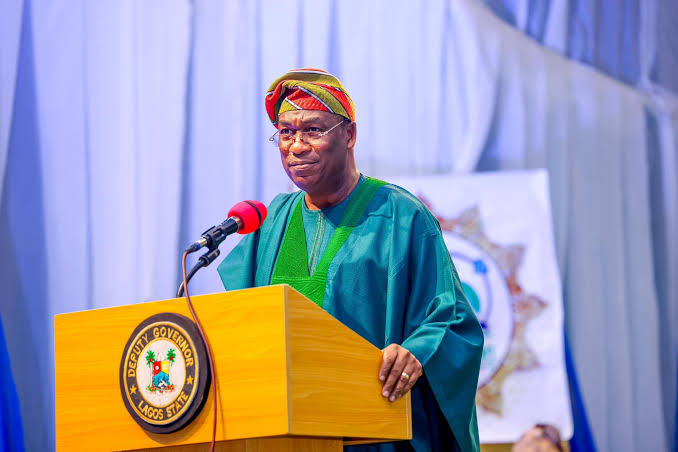
READ MORE: Lagos Deputy Governor Obafemi Hamzat Mocks Lagosians, Calls Traffic a Lifestyle
Former Vice President Atiku Abubakar has challenged Tinubu to explain why Nigeria’s public debt has risen to N166.79 trillion despite increased government revenues. He said the administration’s domestic borrowing reached N24.7 trillion between January and August 2026, a 90.5 per cent increase from the N12.98 trillion borrowed in the same period of 2025. He accused the administration of producing “two Nigerias,” one in which ordinary citizens are suffocating under rising food, fuel, transport, electricity, education and housing costs, and another in which those with wealth and access are far better positioned to protect and multiply their fortunes.
Atiku cited BudgIT’s report that debt service reached N12.52 trillion against N18.63 trillion in revenue in the third quarter of 2025, representing 67.2 per cent of revenue and leaving less money for competing public needs. He noted that the 2026 fiscal framework provides for about N68.32 trillion in expenditure against projected revenue of N36.87 trillion, with the deficit to be financed through more borrowing.
The African Democratic Congress has described the administration’s economic trajectory as a “Ponzi economy,” accusing the government of relying on fresh loans to service existing debts rather than investing in productive sectors. The party also criticised the National Assembly for allegedly approving borrowing requests without adequate scrutiny.
The IMF’s June 2026 Article IV assessment acknowledged improvements in Nigeria’s macroeconomic indicators but said conditions remained difficult for many Nigerians. It estimated poverty at 63 per cent under the national poverty line and reported that 27 million Nigerians faced food insecurity in the latter part of 2025.
President Tinubu has now spent 261 days abroad on 52 foreign trips since taking office. His administration has added N79.41 trillion to Nigeria’s debt stock since May 2023, bringing the total to N166.79 trillion. The fresh $1.5 billion loan request means the borrowing will continue, and the debt burden will keep growing. For a government that came to power promising to fix the economy, the numbers tell a different story. The debt is rising, poverty is deepening, and the President is still asking for more.
About The Author


Related Articles
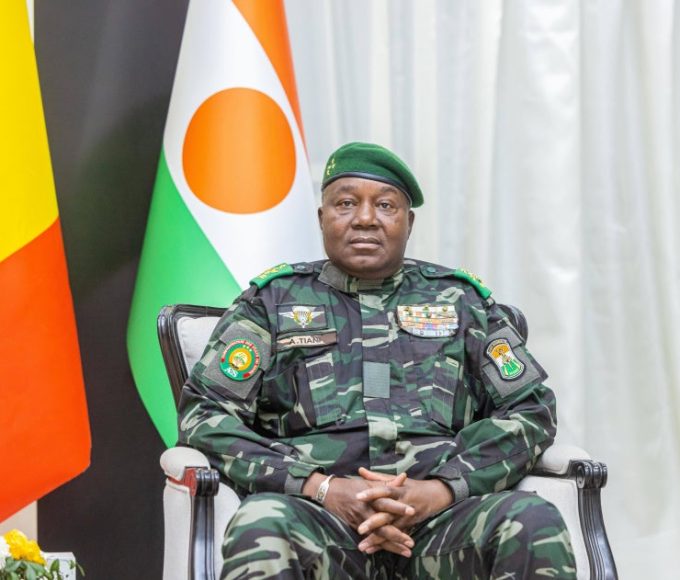
Niger Accuses France and Ukraine of Backing Proxies to Attack Its Territory in Fiery UN Speech
Niger’s representative at the United Nations General Assembly has accused France and...
Sidya Touré, Guinea’s Former Prime Minister and Leading Opposition Figure, Dies in Paris at 81
Sidya Touré, a former prime minister of Guinea and one of the...
Burkina Faso Orders NGOs to Spend 80% of Budgets Locally as Russia Fills Void Left by West
Burkina Faso’s military government has adopted strict new regulations requiring non-governmental organisations...

Lagos Deputy Governor Obafemi Hamzat Mocks Lagosians, Calls Traffic a Lifestyle
Lagos State Deputy Governor Obafemi Hamzat has sparked outrage after telling a...
Leave a comment