


Traore Launches $30 Million Textile Complex to Cut Burkina Faso’s Reliance on Clothing Imports
 West Africa WeeklySeptember 14, 20262 Mins read10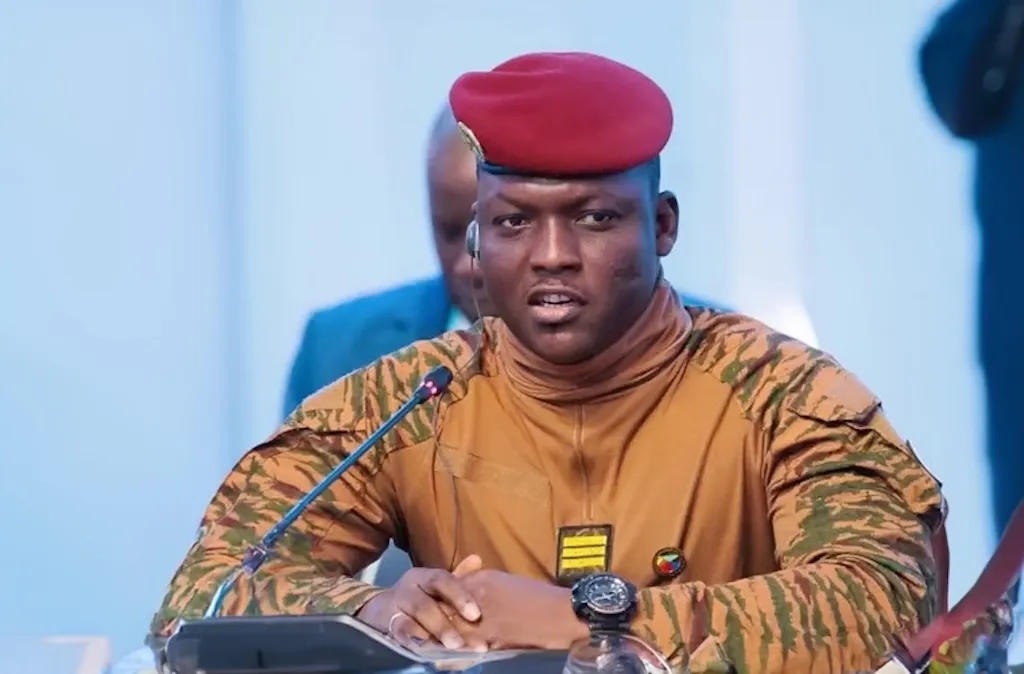
Burkina Faso’s military leader, Captain Ibrahim Traore, has inaugurated a $30 million textile complex in Bobo-Dioulasso, a project his government presents as a major step towards economic sovereignty and a decisive break from the country’s dependence on imported clothing and fabric.
The facility, named Textile des Forces du Burkina Faso (TEXFORCES-BF), was officially opened on September 9, 2026. The project cost 17 billion CFA francs, equivalent to approximately $30 million. It is located on a 30-hectare site in Logofourousso, on the western outskirts of Bobo-Dioulasso, the country’s economic capital. The complex is designed to process more than 12 tons of cotton fibre daily.
According to the government, the plant will produce up to 20 million metres of fabric annually, along with between five and six million garments. It also has capacity for 20 million metres of dyeing. The long-term objective is to increase national textile production to 100 million metres per year and more than 20 million pieces of clothing, allowing for gradual expansion into national, regional and international markets. The primary focus of production will be military uniforms, a strategic move aimed at ending the armed forces’ reliance on foreign suppliers.
The financing model for the project is notable. According to Burkina Faso’s Ministry of Economy and Finance, the complex was funded through national savings, including resources from social security funds and employee contributions. The government has framed this as a concrete example of using domestic resources to finance industrial sovereignty rather than relying on external borrowing or foreign investment.
Speaking at the inauguration, Traore delivered a message of self-reliance. “We must believe in ourselves; we have to learn to believe in ourselves,” he said. His government has consistently presented the textile complex as a symbol of a broader push to restructure the economy, reduce dependence on imports, and ensure that the country’s raw materials are processed locally before being exported.
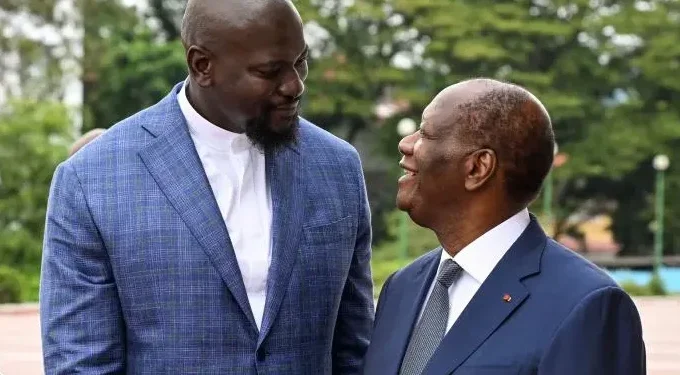
READ MORE: Guinea and Ivory Coast Presidents Agree to Strengthen Security, Trade and Political Ties
Burkina Faso is one of Africa’s leading cotton producers, but like many countries on the continent, it has historically exported the bulk of its raw cotton and imported finished textiles and clothing. The TEXFORCES-BF complex is intended to change that dynamic by capturing more of the value chain within the country. It is part of a wider strategy by the military government to assert control over strategic sectors, including mining and agriculture, and to prioritise what it describes as economic sovereignty over reliance on foreign partners.
The launch comes as Burkina Faso, along with neighbouring Mali and Niger, continues to distance itself from former colonial power France and reorient its economic and security partnerships towards Russia and other allies. The three countries, which form the Alliance of Sahel States, have all pursued policies aimed at increasing state control over national resources and reducing external influence in their economies.
The textile complex is expected to create jobs and stimulate the local economy in Bobo-Dioulasso, though the government has not disclosed the exact number of direct employment opportunities the facility will generate. Officials have said the project will also support the development of a domestic garment industry and reduce the country’s import bill for clothing and uniforms.
For Traore, who seized power in a 2022 coup and has since positioned himself as a champion of Pan-African self-reliance, the inauguration of TEXFORCES-BF is a political as well as an economic statement. It is a tangible demonstration of his government’s stated commitment to building an economy that serves the needs of Burkina Faso first, and a signal that the country intends to chart its own path regardless of external pressure
About The Author

Related Articles
Guinea and Ivory Coast Presidents Agree to Strengthen Security, Trade and Political Ties
Guinea’s President Mamady Doumbouya arrived in Abidjan on Friday for talks with...
Niger Replaces Military Chief After Russian Drones Help Crush Deadly Mutiny
Niger’s military ruler, General Abdourahamane Tiani, has replaced the country’s armed forces...
BudgIT Exposes Taraba’s Rot: ₦5.55bn for Wukari, Patients Sleep on Mats at Jibu Hospital
A civic technology organisation, BudgIT, has exposed a stark contradiction in Taraba...


Algeria Severs Diplomatic Ties With UAE, Closes Airspace to Emirati Aircraft
Algeria announced on Thursday that it was cutting diplomatic ties with the...
Leave a comment