







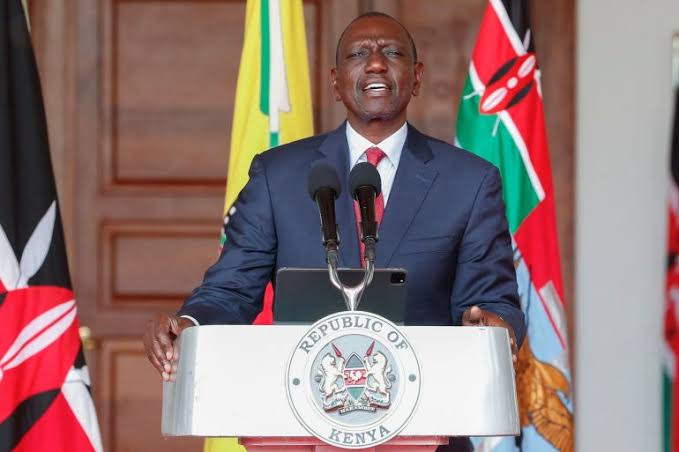
Kenya has launched a sweeping crackdown on foreign nationals operating small-scale businesses, triggering panic among migrants and drawing comparisons to the xenophobic violence that has plagued South Africa. President William Ruto ordered the closure of foreign-owned small businesses, saying Kenya had “not built investor confidence for hawkers”. The directive sparked immediate fear among foreign nationals, particularly Burundians who rely on street vending in Nairobi for their livelihoods.
The government, which introduced visa-free entry for visitors from around the world in 2024 and removed Electronic Travel Authorisation requirements for citizens of most African countries in 2025, has now drawn a clear distinction between its open travel policy and the right of foreign nationals to work or trade. Investments, Trade and Industry Cabinet Secretary Lee Kinyanjui warned that visa-free entry does not grant foreigners the automatic right to work or do business, and that authorities would take action against those misusing tourist or investor status to operate outside permitted conditions.
Ruto framed the crackdown as a protection measure for Kenya’s economy, insisting that the focus should be on foreign investors who bring capital and create jobs, not on small-scale traders competing with locals. “We have made efforts to improve the economy, we have not improved investor confidence for hawkers to come to Kenya,” he said. The president also cited concerns over the increasing number of informal traders from China.
But the order triggered immediate chaos. Hundreds of Burundians flocked to their embassy in Nairobi, queuing for hours with suitcases and plastic bags as they prepared to return home. “They’ve expelled us like animals,” a Burundian pastor said, adding that two of his neighbours had been attacked and robbed since the announcement. Another Burundian told the BBC he had never applied for a work permit because of the high cost. Burundi’s Foreign Minister Edouard Bizimana condemned the violence and held the Kenyan government directly responsible for the safety of Burundians. “Letting Kenyan civilians do the work of the police gives the impression of a failed state because it gives free rein to violence, to looting, and to xenophobia,” he wrote.
The scenes outside the Burundi embassy drew direct comparisons to the xenophobic attacks that have plagued South Africa in recent years. One Burundian said: “What South Africans did to foreigners and what Kenyans are doing is the same thing”. Some Burundians have reported being attacked by their neighbours following the announcement.
Kenya’s junior foreign minister Korir Sing’Oei visited the embassy and apologised, saying the president’s remarks had been misunderstood. He assured Burundians that police would protect areas where violence had been reported and that the government’s primary concern was documentation, not expulsion. The government subsequently gave foreign workers 90 days to regularise their immigration status, work permits and business licences. At the end of that period, immigration rules will be enforced firmly.
Political economist Sheila Owigo Olang said there is little evidence that removing foreign traders would create more opportunities for Kenyans, suggesting the policy is “populist” and timed to rally support ahead of next year’s elections. The crackdown also comes as Nigeria continues to monitor the treatment of its own citizens in South Africa, where similar accusations of xenophobia have dominated headlines for months. As one resident put it, Kenya remains open to foreigners, but “they have to be here legally”.
About The Author







Leave a comment