





Tinubu Signs Executive Order to Unlock $50 Billion Oil Investment, Gives Tax Breaks to Rich Companies While Nigerians Pay More Taxes
 West Africa WeeklyAugust 13, 20263 Mins read482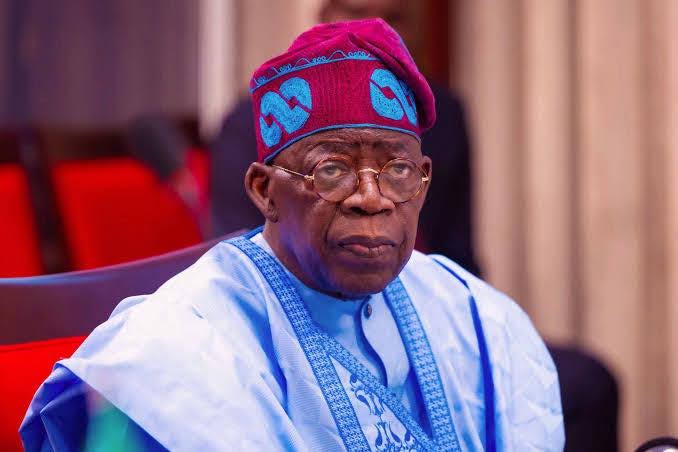
President Bola Tinubu has signed the Deep Offshore Oil and Gas Projects Incentives (Tax Remission) Order, 2026, a policy framework he says will unlock up to $50 billion in investment, beginning with the approximately $10 billion Bonga South West project. The President announced the signing in a post on his official X handle on Thursday, describing the move as a deliberate effort to make Nigeria’s oil and gas industry more competitive and attract capital back to the country.
Under the new framework, existing deep offshore leases have until December 31, 2029 to reach Final Investment Decision and receive the full standard incentive available under the Order. The President said the Order marks the tenth major policy directive of his administration targeted specifically at the oil and gas sector, each aimed at removing constraints holding back investment, production or value creation. “We cannot afford to leave that opportunity beneath our waters for another decade,” Tinubu said.
Dear Nigerians,
For many years, Nigeria has possessed some of the most promising deep offshore oil and gas resources in the world, yet several major developments have remained stalled. Oil lies beneath our waters. We have the engineers, businesses and young people capable of… pic.twitter.com/V05YZfrp9p
— Bola Ahmed Tinubu (@officialABAT) August 11, 2026
The President also emphasised that the incentives are tied to Nigerian content requirements, with projects accessing supplementary incentives required to perform activities in Nigeria subject to clearly defined exceptions and Nigerian Content requirements. “I want the work that comes with these projects to come home to Nigeria. I want our engineers involved, our fabrication yards working, our marine and technical service companies securing contracts, and our young people acquiring skills that will remain valuable long after the first barrel is produced,” Tinubu said. The President said his ambition is to use the new investment cycle to build Nigeria into Africa’s regional hub for deep offshore project execution. “We should not only possess the resources. We should increasingly possess the skills, businesses and industrial capacity required to develop them,” he said.
But the announcement has drawn sharp criticism from Nigerians who argue that the government is prioritising tax breaks for wealthy oil companies while subjecting ordinary citizens to harsh economic policies. One user on X wrote: “Tinubu is taxing you dry but asking actual rich people to pay less taxes.” Another user wrote: “They gave oil companies tax breaks. A country that imports refined petroleum. They know what they are doing.”
The criticism comes as Nigerians continue to grapple with the removal of fuel subsidies, which triggered a 463 per cent increase in petrol prices, and the floating of the naira, which has seen the currency weaken to roughly N1,640 to the dollar. Food inflation peaked at 40.9 per cent in June 2024, and the World Bank has revealed that poverty rose sharply from 56 per cent in 2023 to 61 per cent in 2024, peaking at 63 per cent in 2025. PricewaterhouseCoopers projects that an additional two million Nigerians will fall below the poverty line in 2026, bringing the total to 141 million people. According to the World Bank, 61 per cent of Nigerians currently live below the poverty line, while 33 per cent are classified as ultra-poor and unable to meet their minimum food requirements.
The government has defended its economic reforms as necessary for long-term stability, but many Nigerians see the deep offshore tax incentives as yet another example of policies that favour the wealthy at the expense of the poor. The Deep Offshore Oil and Gas Projects Incentives Order, 2026, is now in effect, and the government is expected to begin engagements with oil majors to accelerate investment decisions. The President said he would judge the success of the framework by what Nigerians see from it in terms of good jobs, stronger Nigerian businesses, greater production, increased revenues for the Federation and new capabilities built at home. “Our natural resources must work harder for our people. That is the purpose of this decision, and we will pursue it with urgency,” Tinubu said.
But as Nigerians continue to struggle with the cost of living, the government’s decision to offer tax breaks to oil companies while ordinary citizens bear the brunt of economic hardship has left many wondering who exactly the government is working for. The President’s promise that the resources would “work harder for our people” rings hollow for the millions of Nigerians who cannot afford three meals a day. The tax breaks for oil companies may unlock investment, but for ordinary Nigerians, the question remains: when will the government’s policies work for them?
About The Author

Related Articles
Peter Obi Rejects $123m Anambra Debt Claim, Says He Left Over $150m in Funds
Peter Obi has rejected claims that he left Anambra State with $123...

Senegal Signs $3.5bn Refinery Deal With Turkey’s Yamata to Process Local Crude, Target West African Fuel Market
Senegal’s state refiner, the Société Africaine de Raffinage (SAR), has signed a...
Tinubu Awards $7bn Ogun Deep Seaport Deal to Chagoury-Linked DP World as Nigerians Question His Priorities
President Bola Tinubu’s administration has awarded two major Ogun State deep seaport...


Niger Introduces Prior Declaration for Large Cash Transports in Anti-Terrorism Push
Niger’s government has announced new rules requiring a prior declaration for the...
Leave a comment