






Tinubu Claims New Roads Will Last 50 to 100 Years, But Nigerians Have Heard This Before
 West Africa WeeklyJuly 15, 20263 Mins read494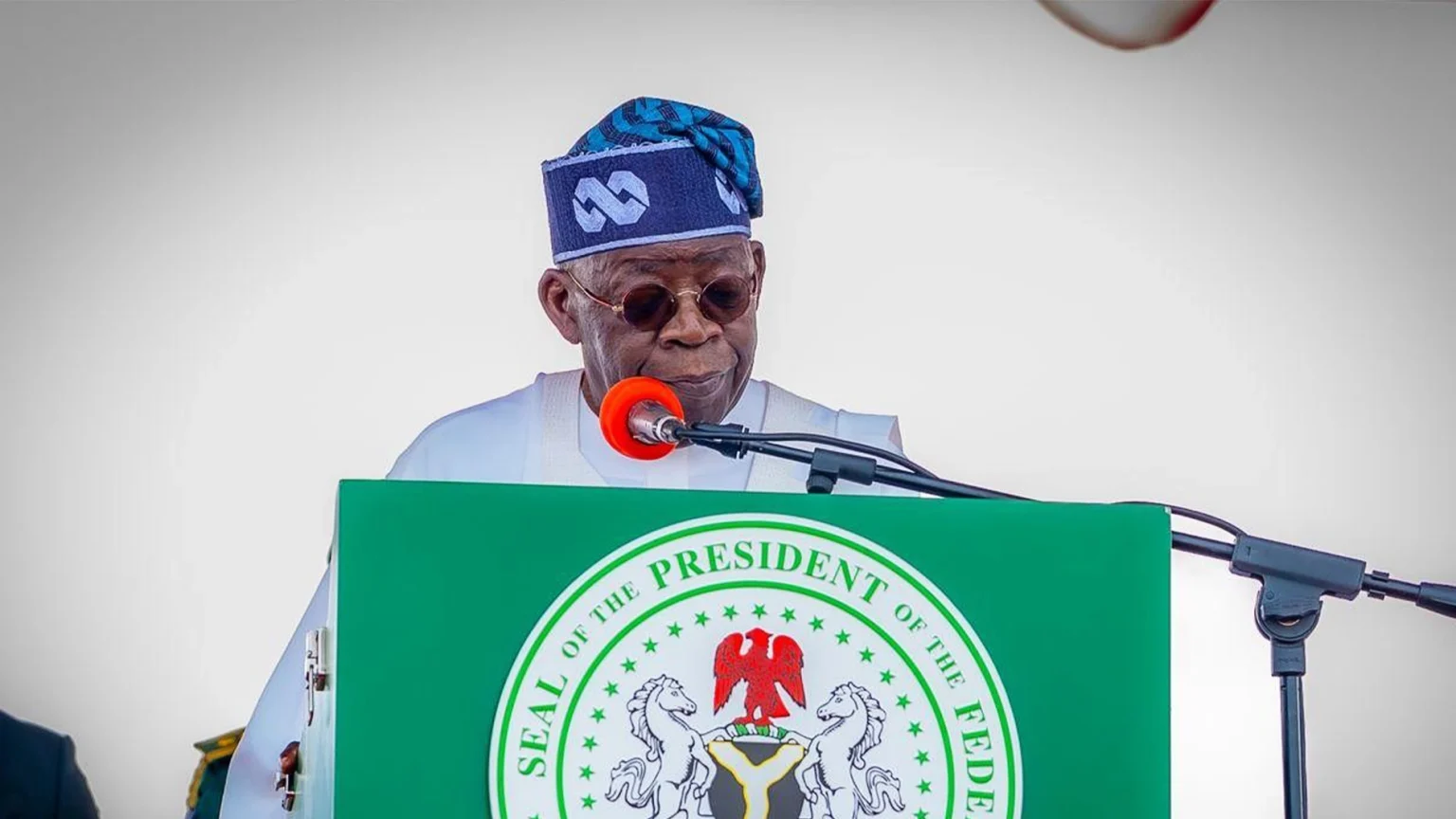
President Bola Tinubu has assured Nigerians that all ongoing federal road projects are designed to last between 50 and 100 years, a claim that has been met with widespread skepticism from citizens who have watched countless roads collapse within months or years of commissioning. Speaking through the Minister of Works, David Umahi, at the 34th Engineering Assembly of the Council for the Regulation of Engineering in Nigeria (COREN) in Abuja, Tinubu declared that the administration was committed to a “complete departure from the previous practice where most roads completed never lasted up to five years”.
The President’s assurance comes as no surprise to Nigerians who have grown accustomed to grand promises from the federal government. Minister Umahi has repeatedly touted the adoption of Continuously Reinforced Concrete Pavement (CRCP) technology, which he claims comes with a 50 to 100-year guarantee. At various flag-off ceremonies, Umahi has insisted that the administration is building roads that will “stand the test of time” and “save public funds”. He has also claimed that the use of concrete pavement technology would deliver “superior quality compared to asphalt”.
But the minister’s own words reveal a damning indictment of past and present construction practices. Umahi has admitted that most federal roads built in the past 30 years were poorly executed, forcing successive governments to repeatedly spend money on repairs and reconstruction. He faulted the methods adopted by some contractors, including Julius Berger, whose sections of the Abuja-Kaduna road have already developed potholes despite being recently completed. “The method of construction is one of the problems. When Berger was doing the job, they removed the asphalt and mixed it with laterite. That’s not a good construction method,” Umahi said.
The minister’s criticism of past contractors is instructive. If major construction firms like Julius Berger have been cutting corners for decades, what assurance do Nigerians have that the new contractors will not do the same? The government has admitted that it inherited 6,604 ongoing federal road and bridge projects nationwide, with a projected N16.9 trillion required for their completion. Many of these projects were abandoned or poorly executed by previous administrations. Yet Nigerians are expected to believe that the same system, the same procurement processes, and the same oversight mechanisms will suddenly produce roads that last half a century.
READ MORE: Senegal Government Orders Football Federation to Stop All Public Statements After World Cup Meltdown
History offers little comfort. A civil engineer, Simon Adakole, attributed the early collapse of the Otukpo-Oweto Road, commissioned under former President Muhammadu Buhari at a cost of N38 billion, to “possible design defects, substandard construction materials, poor drainage systems or inadequate supervision.” He added: “A road of that cost should last far beyond three years, even without major maintenance”. The road collapsed within three years of commissioning, a fate that has befallen countless other federal projects.
The government’s track record on maintenance is equally damning. The House of Representatives has repeatedly raised concerns over the deplorable condition of roads across Nigeria, questioning the Ministry of Works despite significant budgetary allocations made annually. The House noted that the ministry has “consistently neglected road repairs over the years, opting instead to award contracts annually while failing to maintain existing infrastructure”. This pattern suggests that even if the new roads are built to higher standards, the government lacks the will or capacity to maintain them.
The government’s promise of 50 to 100-year roads also ignores the reality of Nigeria’s climate and terrain. Experts have identified inadequate pavement thickness, poor drainage, low-quality materials, inadequate asphalt content, lack of maintenance, and design errors as some of the factors causing damage to Nigerian roads. The country’s harsh weather conditions, combined with heavy truck traffic and poor enforcement of weight restrictions, make it nearly impossible for any road to survive for 50 years without regular maintenance. The government has offered no concrete plan for sustaining these roads over the long term.
President Tinubu’s assurance that “every road project that we are doing has a lifespan of between 50 and 100 years” sounds remarkably similar to the promises made by previous administrations. Former President Goodluck Jonathan promised transformation. Former President Muhammadu Buhari promised to fight corruption and fix infrastructure. Their roads collapsed anyway. Nigerians have heard these assurances before, and they have seen the results. The Lagos-Ibadan Expressway, the East-West Road, the Abuja-Kano highway, and countless other federal roads have been repaired and reconstructed multiple times over the past three decades. The government now claims that the new roads will be different. Nigerians are entitled to be skeptical.
The truth is that Nigeria’s road crisis is not a technology problem; it is a governance problem. Roads collapse because contracts are awarded to unqualified contractors, because oversight is weak, because funds are diverted, and because maintenance is neglected. Until these fundamental issues are addressed, no amount of concrete pavement technology will produce roads that last 50 years. The government can claim that it is building roads for the future, but Nigerians know that the future they will inherit is one of potholes, collapsed bridges, and broken promises.
About The Author



Related Articles
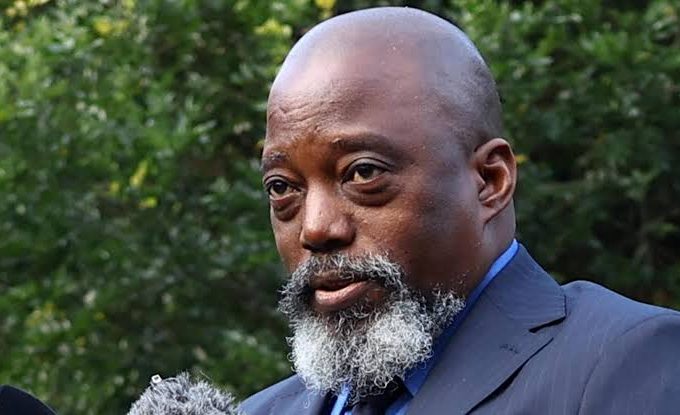
Congo’s Former President Kabila Forms New Rebel Coalition With M23 to Oust Government
Former Congolese President Joseph Kabila has launched a new political-military coalition with...

Ukraine Woos Ghana to Help Return Children Abducted by Russia as War Rages On
Ukraine is pressing Ghana to join its international campaign to reunite children...

EKEDC Slams N181,000 Back Charge on Customers After Billing Error, Operations Manager Tells Residents to Do Their Worst
An Eko Electricity Distribution Company customer has accused the company of imposing...


Traoré’s Two Books Raise CFA 125 Million for Burkina Faso’s Patriotic Support Fund
Two books centred on the actions and vision of Burkina Faso’s military...
Leave a comment