






WHO Declares Cruise-Linked Hantavirus Outbreak Officially Over
 West Africa WeeklyJuly 3, 20261 Mins read562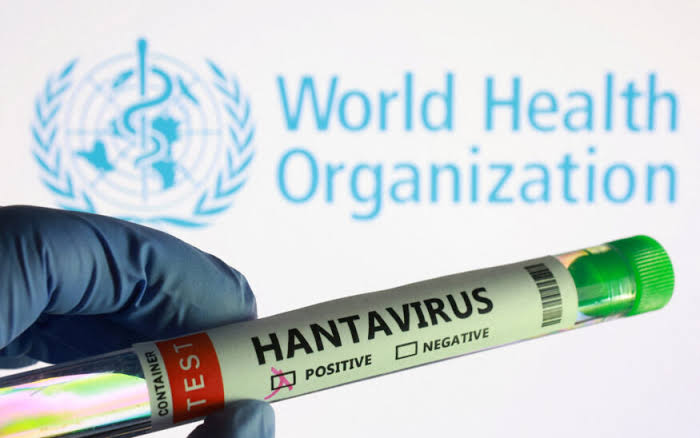
The World Health Organization has declared an end to the hantavirus outbreak linked to a cruise ship that sailed from Argentina, after the last identified contact of an exposed person completed quarantine and tested negative for the virus.
The outbreak, which infected 13 people and claimed three lives, involved the rare Andes hantavirus strain that typically circulates in Argentina and Chile. The virus is the only known hantavirus strain capable of spreading through close, prolonged human-to-human contact.
WHO Director-General Tedros Adhanom Ghebreyesus announced the declaration on Thursday, confirming that the final contact of a person exposed to the virus on the cruise ship MV Hondius had completed their quarantine period, tested negative, and returned home.
Today, the final contact of a person exposed to hantavirus on the cruise ship MV Hondius completed their quarantine period, tested negative and returned home, Tedros said. No further cases have been reported since the 25th of May. Therefore, WHO considers the hantavirus outbreak over.
The Dutch-flagged polar exploration ship set off from Ushuaia, Argentina, on April 1, taking in remote islands in the South Atlantic Ocean, including Tristan da Cunha, before heading north to Tenerife in Spain’s Canary Islands, where remaining passengers were flown home. The ship finally docked in Rotterdam in the Netherlands on May 18. After cleaning and disinfection, the vessel was cleared to put to sea again on May 30.
READ MORE: Third Batch of 298 Nigerians Evacuated from South Africa Returns Home
Health authorities in 33 countries and territories identified and followed up more than 650 contacts during the outbreak response. Tedros said the WHO would continue working to understand the outbreak and the virus itself.
We are also coordinating a study involving 21 countries to understand how the disease develops, which will support the development of diagnostics, therapeutics and vaccines for future outbreaks, he said.
Hantavirus spreads primarily through rodents, infecting people through contact with rats, mice or their urine, droppings and saliva. The virus can become airborne during the cleaning of infested areas.
Patients typically suffer fever, headache, muscle aches and gastrointestinal symptoms, such as nausea and abdominal pain, between one and eight weeks after exposure. In severe cases, the illness can rapidly progress to coughing, shortness of breath and fluid accumulation in the lungs.
There are currently no approved vaccines or targeted antiviral treatments for the disease, with care remaining largely supportive
About The Author



Related Articles

Senegal’s Power Cuts Force Government to Push Gas as the Long-Term Fix
Senegal’s energy minister says the power cuts that hit the country hard...
Ethiopia and Eritrea Cut Diplomatic Ties as Tigray Conflict Escalates
Ethiopia and Eritrea have severed diplomatic relations as renewed fighting in northern...


Tinubu Cannot Even Speak for Himself, Nigerians Say After Edited Broadcast Exposed
Nigerians on social media have accused the Presidency of manipulating President Bola...
Tinubu’s Cancer Analogy Backfires as Nigerians Remind Him He Was in Power Since 2015
President Bola Tinubu’s attempt to paint himself as the leader who inherited...
Leave a comment