






279 Kidnapped, 842 Killed Across Nigeria in May as Insecurity Worsens Under Tinubu
 West Africa WeeklyJune 22, 20261 Mins read518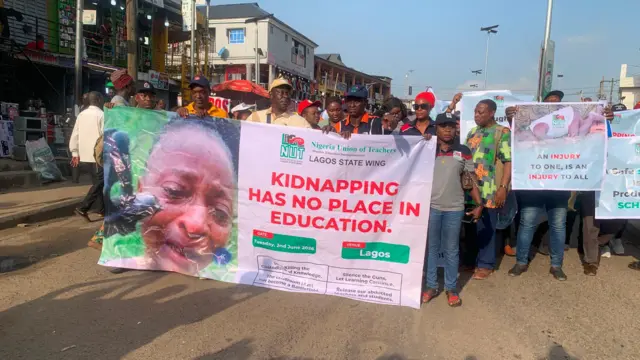
No fewer than 279 persons were kidnapped across Nigeria in May 2026, while 842 people lost their lives in 156 violent incidents recorded during the month, according to new data from Nextier’s Nigeria Violent Conflicts Database.
The figures represent a sharp deterioration in national security. Violent incidents rose by 51.5 percent, casualties increased by 90.1 percent, and kidnap victims climbed by 19.7 percent compared to May 2025. The data has reignited criticism of President Bola Tinubu’s administration, with opponents accusing the government of failing to protect citizens nearly three years into his tenure.
Former Vice President Atiku Abubakar said President Tinubu has failed woefully on security and has no moral or political latitude to remain in office if hundreds of abducted citizens continue to languish in captivity. The criticism follows high-profile abductions in May, including the kidnapping of 39 students and seven teachers from schools in Oyo State’s Oriire Local Government Area, and 42 pupils from schools in Borno State’s Askira Uba and Chibok areas.
READ MORE: Japan Raises Visa Fees by 400 Percent for Nigerians and Other Foreign Nationals
The Nextier report also highlighted that Nigeria’s peacebuilding efforts are not yielding measurable results despite significant investments by governments and development partners. Development practitioner Jamilu Musa and Dr. Chukwuma Okoli, a visiting Lead for Research and Policy at Nextier, warned that weak impact assessment frameworks are undermining the effectiveness of interventions.
The experts said measuring peacebuilding outcomes is difficult because indicators such as trust, resilience, perceptions of safety and social cohesion are intangible and cannot be easily quantified. They identified six major challenges: attribution bias, short donor funding cycles, rapidly changing conflict realities, difficulty measuring intangible outcomes, poor baseline data, and security constraints affecting data collection in conflict zones.
They urged federal and state governments to institutionalise peace measurement frameworks using standardised indicators on trust, inclusion, resilience and perceptions of security, and called for stronger collaboration among security agencies, humanitarian actors, development partners and peacebuilding organisations to improve evidence-sharing and reduce duplication.
The experts concluded that counting activities alone is insufficient, adding that the key question is whether peacebuilding interventions are helping communities become safer and more inclusive.
About The Author



Related Articles
Gambian Businesses Struggle Under Prolonged Blackouts as Anger Mounts Ahead of December Election
Gambian businesses are collapsing under the weight of prolonged power cuts that...

Chelle Names Osimhen, Lookman, Ndidi in 24-Man Super Eagles Squad for 2027 AFCON Qualifiers
Super Eagles head coach Éric Chelle has unveiled a 24-man squad for...
Ghana Cuts Fuel Exports to Burkina Faso and Mali to Protect Its Own Supply
Ghana’s state-owned fuel distributor BOST Energies has reduced diesel and gasoline exports...


ASUU Strike Threatens to Shut Down Federal Universities as Nigerians Accuse Media of Ignoring the Crisis
The Academic Staff Union of Universities is on the verge of a...
Leave a comment