








First, a chairman who does not exist tweeted. Then, a politician’s aide walked through a door that should have been sealed. Two incidents, weeks apart, have done something no court order or election petition could manage: they have forced Nigerians to ask whether the Independent National Electoral Commission still commands its own secrets.
The story begins in April 2026. A post appeared on X, attributed to Professor Joash Amupitan, the chairman of INEC. The commentary was sharp, political, and immediate. Within hours, INEC released an unusual statement. The chairman, the commission said, does not own an X account. He never has. The post was false. A malicious campaign. The denial was swift, but the damage was psychological. If a phantom account could wear the chairman’s name and speak to the nation, what else on the internet about INEC could be fake? And more pressingly, who wanted the public to believe the chairman had turned partisan?
Then came May. Lere Olayinka, a serving spokesperson for the powerful FCT Minister Nyesom Wike, shared something on X that no aide should possess. Screenshots of an INEC administrative dashboard. Voter transfer details. Internal fields. This was not a leaked document from a whistleblower. It was a glimpse into the commission’s back end, a space reserved for senior ICT staff and no one else.
The images spread with the speed of a confession. For the first time, the technical heart of Nigeria’s electoral system appeared vulnerable. If a political aide could access a voter transfer record, what else could be seen? Could registration data be altered? Could results be viewed before transmission? The commission has not answered these questions. It has not denied the authenticity of the screenshots. It has only been silent.
READ MORE: FUTO Student Dies After Man O’ War Assault as Nigeria’s Impunity Crisis Spreads to Campuses
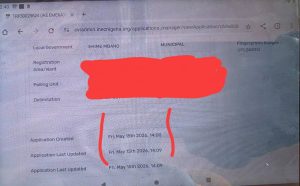
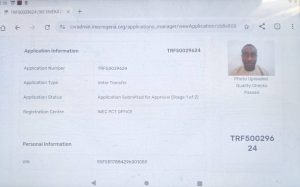
These two episodes are not alike. The first was a ghost. The second was a key in a lock. But together they tell a single story. An institution built to be untouchable now feels reachable. A system designed to guard the ballot now finds its own doors opened from the outside.
The security services have been called to investigate the dashboard breach. That is proper. But an investigation asks who did it. The larger question is why the building had a door that could be opened at all.
Nigeria has fought too hard for its democracy to lose it to carelessness. The INEC that faces 2027 is not being judged by its statements. It is being judged by its silence. And every day without an answer to the dashboard question is another day the public wonders whose hand is really on the machine.
About The Author







Leave a comment