







Ghana is set to launch a new electronic visa system on May 25, 2026, after the country’s cabinet formally approved a policy that will offer online visa applications at no cost to all African travellers. The decision marks a major shift in the nation’s border management approach and is timed to coincide with Africa Day as a deliberate gesture of Pan African unity.
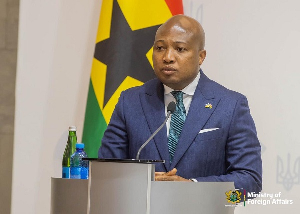
Foreign Affairs Minister Samuel Okudzeto Ablakwa announced the cabinet’s decision in a social media post on Saturday, confirming that the new e visa regime will apply to visitors coming to Ghana for business and tourism. The policy was first introduced by President John Dramani Mahama on April 2, 2026, during a state visit by Zimbabwean President Emmerson Mnangagwa, and its approval moves the country closer to full implementation.
Under the current system, African Union nationals who obtain a visa on arrival pay 150 dollars for a stay of up to 30 days. From May 25, that fee will be scrapped for African passport holders, though the application process will remain in place. As Ablakwa explained, Africans will still have to complete the same screening steps as other applicants, but their visa will be free of charge.
READ MORE: Mali Junta Reels as Minister Killed and Jihadist Rebels Seize Northern City
The e visa platform is being designed with security as a central feature. It will be integrated with Ghana’s Advanced Passenger Information and Passenger Name Record systems, alongside international crime databases, allowing authorities to conduct background checks before travellers arrive. Ablakwa has repeatedly stressed that the removal of fees does not mean automatic entry, and anyone deemed a security risk will be denied access to the country.
When announcing the initiative earlier this month, President Mahama positioned the move as both a diplomatic and economic strategy. He said Ghana, as a cradle of Pan Africanism, has a historic responsibility to remain open to fellow Africans while accelerating continental integration. The government also sees the policy as a way to boost tourism, attract investment from African entrepreneurs, and strengthen trade links under frameworks such as the African Continental Free Trade Area.
Ablakwa reinforced that message with a pointed remark about the wider climate for African travellers. “When others make you feel unwelcome, Ghana says this is your home to invest and to enjoy the beauty of nature,” he wrote, adding that resetting the country must be reflected in every aspect of governance.
With the cabinet approval now secured, Ghana will join a select group of African nations, including Benin, the Gambia, Rwanda, and Seychelles, that have eased visa restrictions to encourage movement across the continent. The May 25 rollout is expected to serve as a test case for how digital border reforms can intersect with tourism, security, and economic ambitions under the African Union’s free movement agenda.
About The Author







Leave a comment